Pizza Hut sales rise as third-party delivery expands reach
Pizza Hut's sales improved as it leaned harder on DoorDash and Uber Eats, but the real test is whether extra orders outweigh a busier make line, handoffs, and driver shifts.
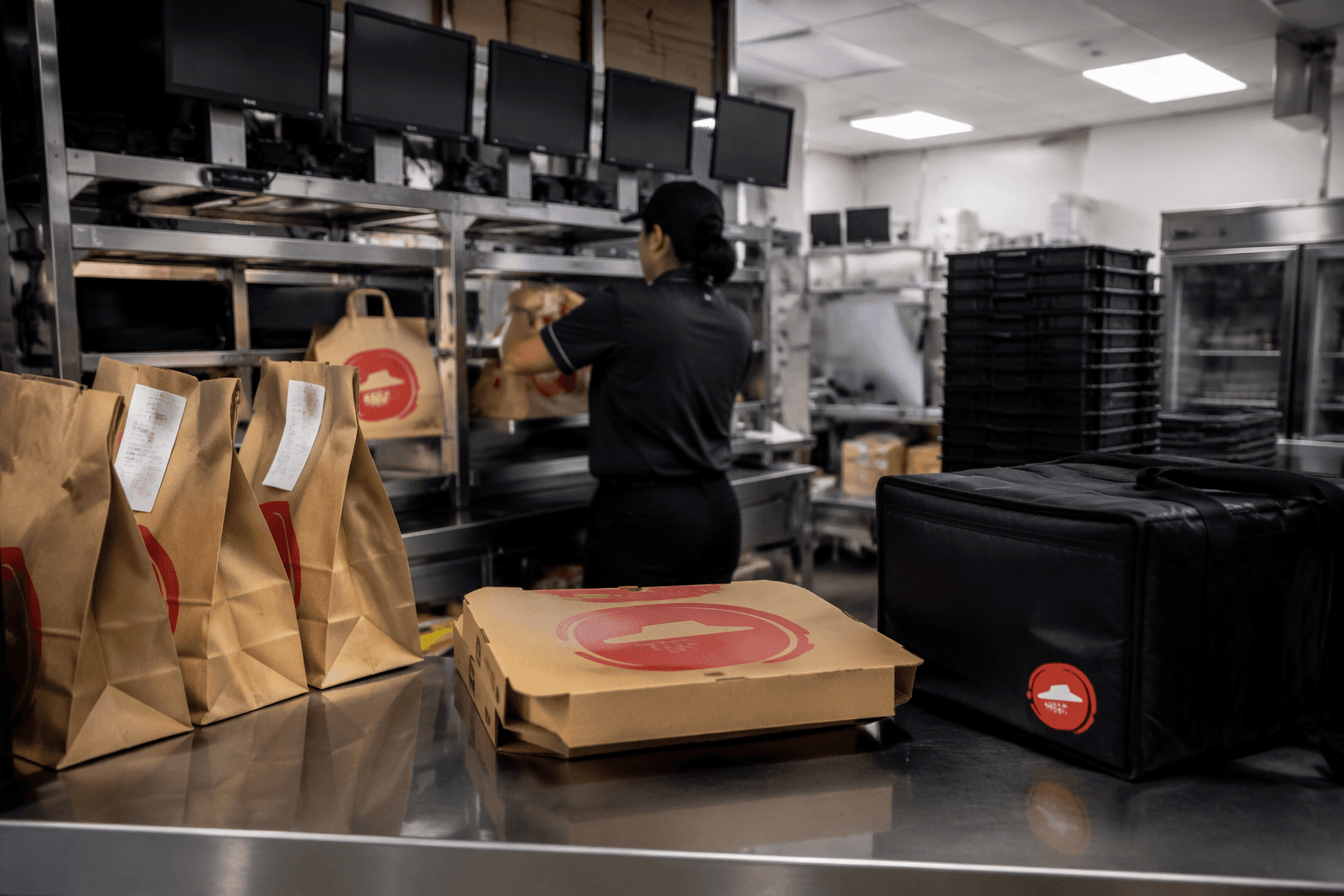
Pizza Hut’s sales improved last quarter as the chain leaned into third-party delivery, but the operational tradeoff lands on the people running the store. DoorDash, Uber Eats, and similar platforms bring in orders from customers who never open Pizza Hut’s app, yet each added marketplace ticket adds pressure on the make line, dispatch timing, and the handoff to the driver who has to absorb the frustration when timing slips.
The sales lift
Marketplace volume can still expand reach for a legacy pizza brand. In a fragmented delivery market, third-party apps put Pizza Hut in front of customers who are ordering from multiple restaurants at once or simply prefer one app for everything.
That extra reach also helps in places where Pizza Hut’s own delivery network is thinner than it used to be. For a store manager, that can mean more tickets without having to build every mile of the delivery radius back through company drivers, but it also means the order mix is no longer controlled entirely inside the brand’s own channels.
What changes on the make line
The real tradeoff is control. When a store depends on third-party platforms, it gives up part of the customer relationship and usually pays a fee for the privilege. That means the store has to protect margin somewhere else, and the pressure often falls on menu mix, prep timing, and how cleanly orders are dispatched out of the kitchen.
The strain is greatest when direct orders and marketplace orders are hitting the same line at once. The kitchen has to coordinate multiple streams at the same time, which can create bottlenecks when tickets stack up and orders are waiting for the same ovens, screens, or finishing space. In a Pizza Hut store, that can turn a busy dinner rush into a sequencing problem: which pizza gets priority, which driver is waiting, and which customer is about to call about the delay.
The customer complaints that follow do not stop at the app. A late or missing item on a third-party order still lands on the store staff, even when the platform owns the delivery relationship and the tech layer in front of the guest.
Drivers and pay
For drivers, the picture is mixed. First-party delivery jobs can offer more predictable scheduling and clearer brand standards, which matters in a food-service operation where the clock and the route both shape earnings. But once third-party volume starts rising, the mix of runs can change, and so can the expectations around when the food should be ready.
That is where hybrid delivery gets complicated. If a store is serving both direct orders and marketplace orders, it may not need as many in-house driver shifts, and that can directly affect pay and scheduling stability for the people who depend on those hours. At the same time, gig platforms such as DoorDash and Uber Eats create a different kind of competition, pulling some demand into a marketplace where the store has less control and the worker has fewer guarantees.
The local test
For Pizza Hut, the key question is whether the extra volume is incremental. Managers have to ask if the orders are bringing in new traffic or just cannibalizing direct orders, whether they are filling quieter parts of the day or overwhelming the dinner rush, and whether the store is gaining guests or becoming a fulfillment center with less control over the final experience.
Those questions are especially sharp in a franchise system, where local management has to make the numbers work inside one store at a time. If third-party delivery is pulling in customers who would not have ordered otherwise, it can help sales and spread fixed costs across more tickets. If it mostly reshuffles existing demand, the store may be taking on more complexity for the same result.
This article was produced by Prism’s automated news system from verified source data, official records, and press releases, then run through automated quality and moderation checks before publishing. The system is built and supervised by the people who set the standards it runs under. Read our full AI policy.
Did this article answer your question?