Pizza Hut workers can boost careers with ServSafe manager training
ServSafe manager training can turn Pizza Hut shift experience into real supervisory credibility, from inspection prep to safer shifts and stronger person-in-charge leadership.
A ServSafe manager credential does more than fill a line on a résumé at Pizza Hut. In a busy store, it signals that you can run safer shifts, help a team get ready for inspections, and step into the kind of person-in-charge role that separates dependable crew members from the people managers trust when the line is slammed.
Why ServSafe carries weight in a Pizza Hut store
Pizza Hut runs on speed, consistency, and trust. That is why food safety knowledge matters as a daily operating skill, not just a compliance box. ServSafe’s manager track is built for workers who want to move into leadership, and the training covers the basics that keep a kitchen from turning a normal rush into a costly mess: personal hygiene, time and temperature control, cross-contamination prevention, cleaning and sanitizing, safe food preparation, storage, thawing, cooking, cooling, reheating, and HACCP principles.
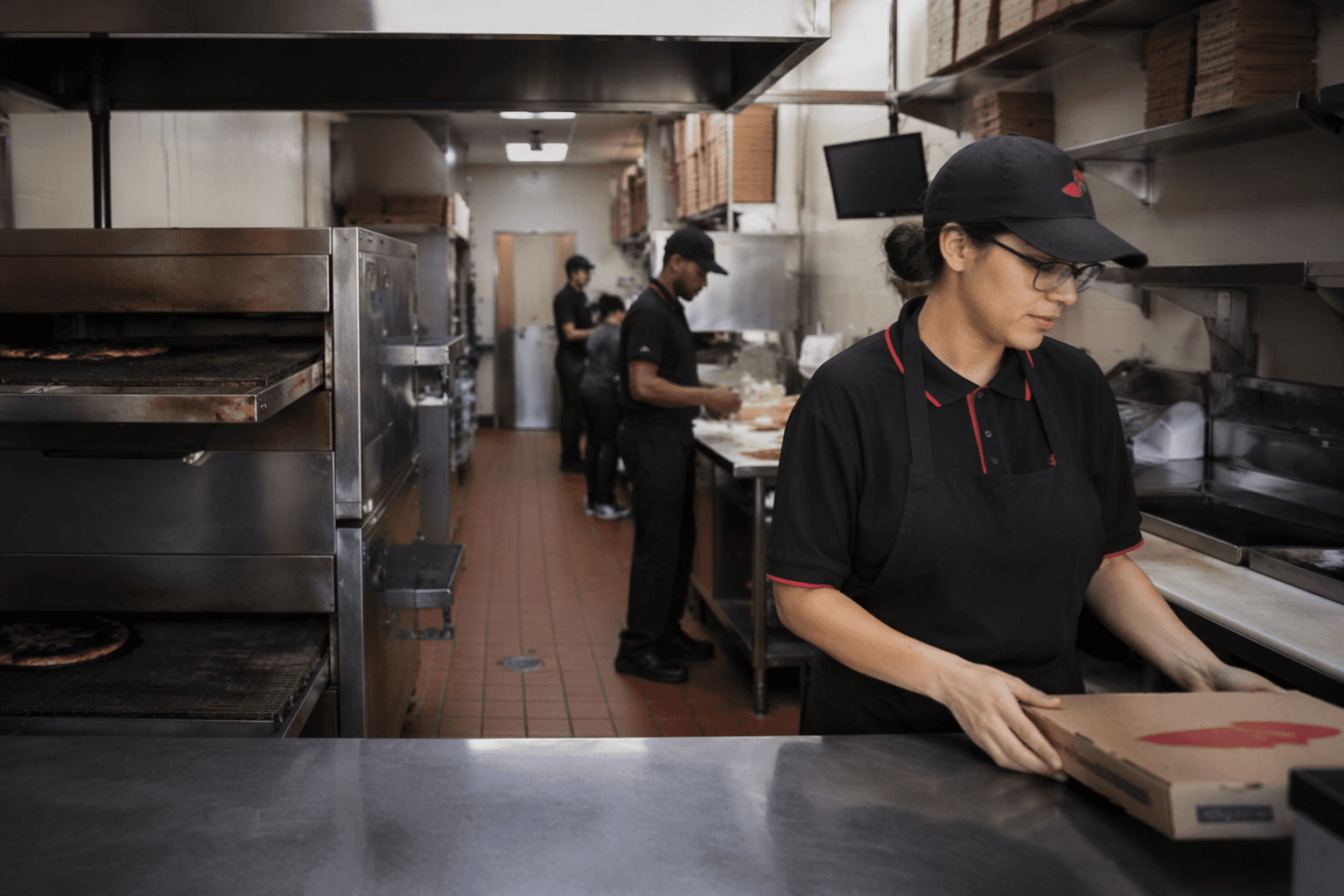
For a crew member or shift leader, that list maps directly onto the real pressure points of a pizza operation. Dough, cheese, sauce, toppings, ovens, cut tables, delivery timing, and late-night volume all create chances for small mistakes to become bigger problems. The people who understand those risks are often the ones managers lean on when a store needs someone to steady the floor.
What the manager track actually teaches
The current ServSafe Manager 9th edition is aligned with the Supplement to the 2022 FDA Food Code, and that update matters because it is built around how modern food-service oversight actually works. The National Restaurant Association says the new version uses activities, videos, real-life examples, and practical situations, instead of treating food safety like a textbook exercise.
It also goes deeper into the management ideas that matter when you are trying to prevent problems before they become violations. The training now emphasizes food safety management systems, active managerial control, and food safety culture. Those concepts may sound technical, but in a Pizza Hut setting they translate into straightforward habits: watching for repeat mistakes, correcting them early, and making sure newer employees learn the right way from the start.
Just as important, the manager certification is designed to prepare candidates for the ServSafe Food Protection Manager exam. That means the credential is not only about knowledge, but about proving you can apply that knowledge under pressure, including in the kind of health inspection scenario that can shake a store’s rhythm for a week.
Why it is more than basic food handler training
ServSafe also separates basic food handler training from manager-level certification, and that distinction matters for anyone trying to move up. The food handler credential is open to anyone who wants foundational safe food handling knowledge and does not require a prerequisite. The manager certification, by contrast, is aimed at the person in charge and expects stronger food safety knowledge.
That makes the manager track especially useful for shift leaders, assistant managers, and crew members who want to be seen as future supervisors. In a Pizza Hut franchise environment, where local management style can vary from store to store, being the person who understands food safety standards can make you the worker others rely on when the GM is off-site or the dinner rush goes sideways.
It also builds credibility in ways that show up outside the kitchen. A manager who knows how to cool product properly, prevent cross-contamination, and prepare for inspections is not just protecting the food. That person is protecting labor stability, store reputation, and the team’s ability to keep the doors open without drama.
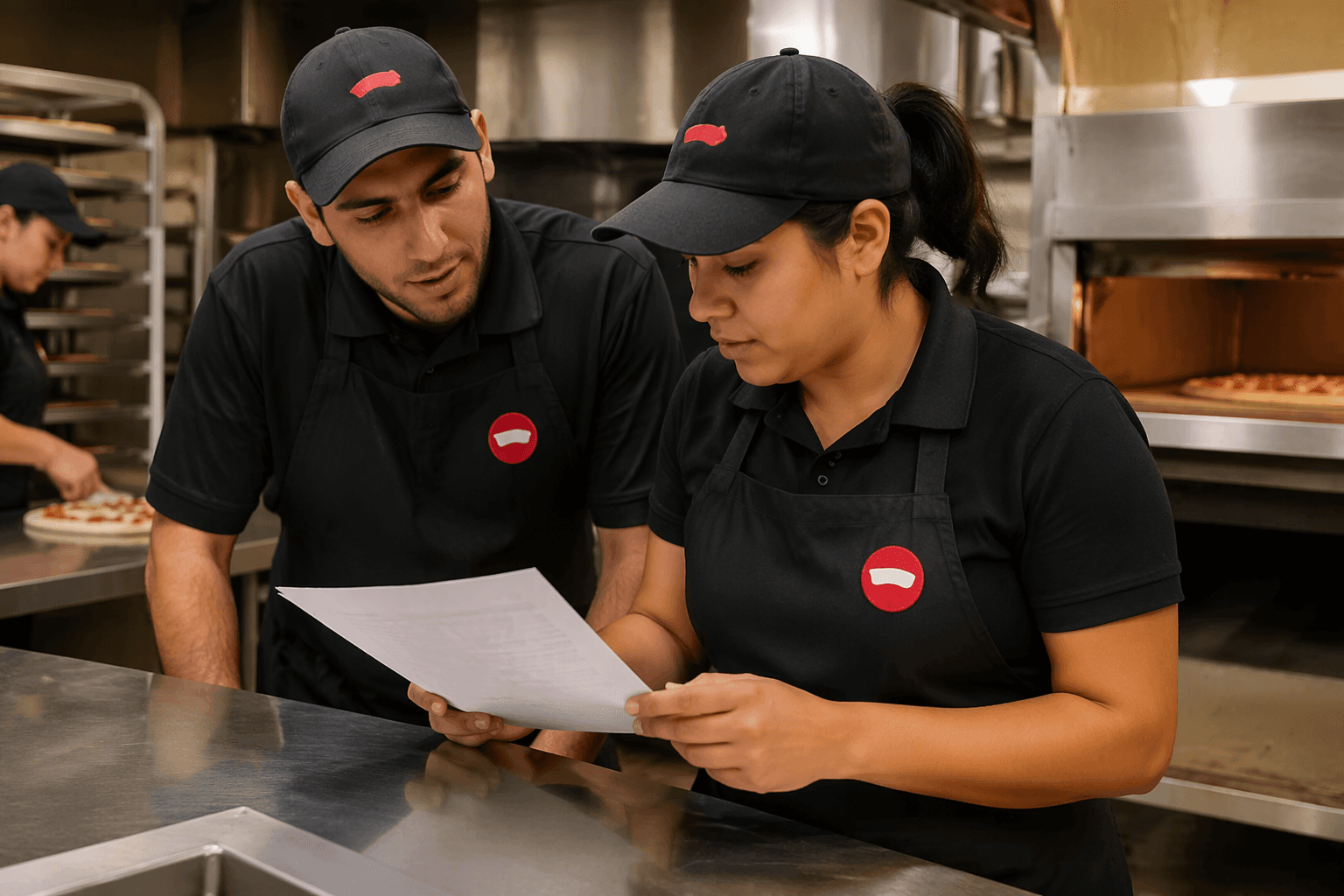
How Pizza Hut workers can actually use it
One reason this credential fits Pizza Hut workers so well is flexibility. Candidates can check state and local requirements, choose online or classroom training, and match the exam format to their schedule. That matters in a job where shifts can stretch late, schedules change fast, and workers are trying to fit training around delivery runs, prep, or closing duties.
Pizza Hut employees also have a direct path into the credential through Yum! Brands’ internal training portals. Those portals point employees to ServSafe course and exam access, including a discounted-rate exam portal, which shows the company treats the certification as part of its own training ecosystem rather than something workers have to figure out alone.
There is a practical management benefit here too. If you are already the person who can calm a rush, keep the station organized, and catch a sanitation issue before it spreads, ServSafe gives you a way to formalize that value. It turns store experience into a recognized management skill set, which can help when you are looking to move from crew member to shift leader, assistant manager, or person-in-charge.
Why regulators care about this level of training
The credential has weight because the regulatory landscape has moved in its direction. The FDA’s 2017 Food Code revised the Person in Charge requirement so that the PIC shall be a Certified Food Protection Manager. The FDA says the Food Code is a model used by state, local, tribal, and territorial regulators, which means the standard shapes how food safety is enforced across a wide range of jurisdictions.
That makes manager-level certification more than a nice extra. It lines up with the direction modern food-service oversight has taken, where managers are expected not just to react after a problem, but to build systems that prevent one. For a Pizza Hut operation, that can mean fewer inspection surprises, fewer repeat violations, and a stronger store culture around safety and accountability.
The National Restaurant Association’s long-running National Food Safety Month, created in 1994, reflects that same push to professionalize food safety. The industry has been trying for decades to make these skills part of the job, not an afterthought. ServSafe sits right in that lane.
What the credential signals in a busy Pizza Hut
In practice, ServSafe manager training tells a store something simple: this worker can be trusted with more than a station. They understand how to keep food safe, how to help the team prepare for an inspection, and how to build habits that protect the operation when volume spikes or staffing gets thin.
That is the real career payoff for Pizza Hut workers. The certification is not just about passing a test or collecting a badge. It is a signal that you can handle the invisible work that keeps a restaurant running, and in a franchise system where reliable leadership is always in demand, that can be the difference between staying on the line and becoming the person everyone turns to when the shift needs a steady hand.
This article was produced by Prism’s automated news system from verified source data, official records, and press releases, then run through automated quality and moderation checks before publishing. The system is built and supervised by the people who set the standards it runs under. Read our full AI policy.
Know something we missed? Have a correction or additional information?
Submit a Tip