Pizza Hut Workers Losing Coverage Can Use COBRA After Job Loss, Cuts
When Pizza Hut stores close or hours disappear, the 60-day COBRA clock starts fast. The catch: keeping the same plan usually means paying the full premium.

The first decision comes before the next job does
If your Pizza Hut shift schedule vanishes after a store closure, a layoff, or a big hour cut, COBRA is the health-coverage bridge that buys you time. The Department of Labor says it can apply after voluntary or involuntary job loss and after a reduction in hours worked, and workers generally have 60 days from the election notice to decide whether to take it. That deadline matters because once coverage goes away, the choice is often between paying up to stay in the same plan or scrambling for something new while you are already trying to replace lost income.
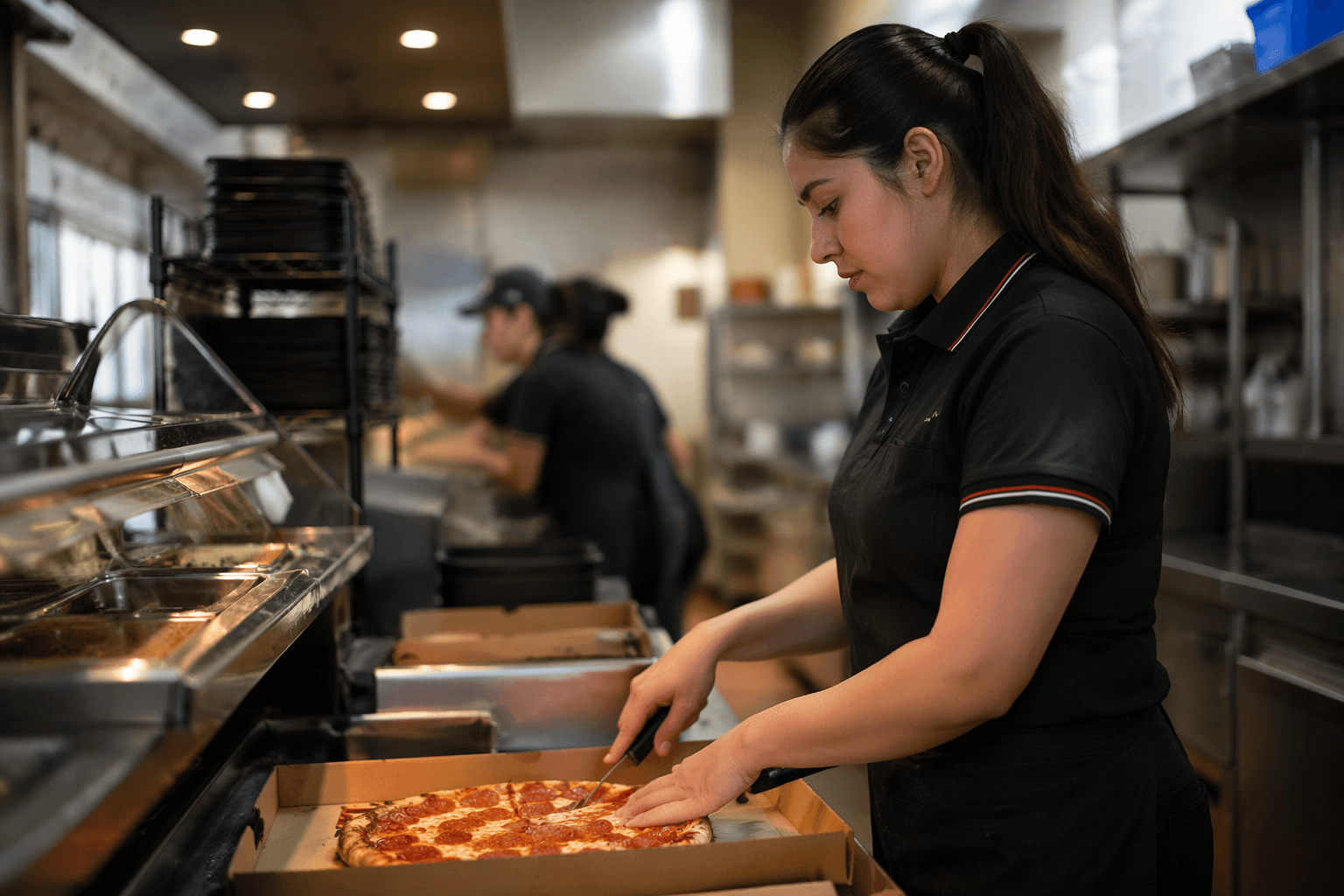
For a Pizza Hut worker, that decision can land in the middle of a messy transition. Delivery drivers may be staring at unpredictable cash flow, kitchen crew may be dealing with reduced schedules, and managers may be trying to understand what their local franchise still covers after a closure or a cutback. COBRA does not solve the job loss, but it can keep a doctor, a prescription, or a family plan intact long enough to get through the next few months.
What COBRA actually keeps in place
The biggest benefit of COBRA is continuity. The Department of Labor says continuation coverage generally lets workers keep the same group health plan they had as active employees, which can mean the same doctors, the same prescription coverage, and the same network. That is the part people overlook when they focus only on the premium: for anyone in the middle of treatment, or anyone who has already spent years figuring out in-network care, keeping the same plan can be worth real money and a lot of stress.
COBRA can also cover dependents. Covered employees, former employees, spouses, former spouses, and dependent children may all be eligible for continuation coverage, so this is not just an individual decision. If your family is on the Pizza Hut plan, the notice you receive should be read as a household document, not a personal one.
For job loss or a reduction in hours, the initial maximum coverage period is generally 18 months. In some cases continuation coverage can last longer, but for most Pizza Hut workers hit by a closure or hour cut, that 18-month window is the basic frame. In plain terms: COBRA is meant to be temporary breathing room, not a long-term substitute for employer coverage.
The price is the hard part
The reason people hesitate is obvious. Under COBRA, workers usually pay the full premium themselves, and the employer may charge an additional 2 percent administrative fee. For someone whose hours were cut, that can be a brutal ask. A restaurant paycheck that already depended on tip variability, split shifts, and seasonal traffic is not designed to absorb the full cost of family health coverage.
That is especially important in a Pizza Hut setting, where workers may be deciding between coverage and immediate necessities. Delivery drivers often live with erratic earnings, and a store that is losing business to DoorDash, Uber Eats, and other delivery options can make the paycheck even less predictable. In that context, COBRA is less a nice perk than a calculation: how much are you willing to pay to avoid changing doctors, changing prescriptions, or starting over with a new deductible?
The comparison you should make right away
COBRA is not always the cheapest route, and it is not always the best one. HealthCare.gov says people who lose job-based health coverage may qualify for a Special Enrollment Period, which lets them enroll in or change Marketplace coverage outside the normal Open Enrollment window. It also says unemployed consumers may be able to find an affordable Marketplace plan with savings based on income and household size.
That means the smart move after a Pizza Hut closure or hour cut is not to assume COBRA is automatic or to assume it is too expensive to consider. It is to compare it immediately with Marketplace options, because the numbers can change fast depending on your household income, who needs coverage, and whether you need to keep the same doctors.
A simple order of operations helps:
1. Read the COBRA notice as soon as it arrives and note the election deadline.
2. Check the monthly premium, including the full cost plus the 2 percent administrative fee if it applies.
3. Compare that price with Marketplace plans that might qualify for savings.
4. Make sure dependents are included if your family relies on the same coverage.
5. Decide before the 60-day window closes, because waiting can narrow your options.
That sequence matters because the right answer is different for a single driver, a parent covering kids, or a manager with a spouse on the same plan. COBRA can be the right choice when treatment continuity is more important than monthly cost. It can also be the wrong choice when a Marketplace plan offers a better balance of premium and out-of-pocket spending.
Why this is coming up so often at Pizza Hut
The benefits question is getting louder because the chain itself is under pressure. In February 2026, Yum! Brands said it would close about 250 underperforming U.S. Pizza Hut restaurants in the first half of 2026 as part of a strategic review. Reporting put those closures at roughly 4 percent of Pizza Hut’s about 6,400 U.S. restaurants, which is enough to touch a lot of local paychecks even if the brand remains huge nationally.
The sales picture helps explain why. Restaurant Business reported that Pizza Hut’s U.S. system sales fell 7 percent in the prior year and same-store sales fell 5 percent. Those are not just corporate numbers. They usually show up at store level as tighter labor schedules, more pressure on managers, and more instability for workers whose hours can change before a closure is formally announced.
The franchise side has also been rocky. Restaurant Business reported EYM Pizza’s Chapter 11 filing and later the auction of 77 bankrupt Pizza Hut restaurants to six buyers. That matters because franchise ownership shapes the worker experience in practical ways: whether notices are sent quickly, whether benefits information is clear, and how much warning people get when a location is headed for trouble. A chain can have a national brand, but the person explaining your coverage is often a local manager working through a franchise crisis.
The bottom line for workers and managers
For Pizza Hut workers, COBRA is a short-term safety net, not a gift. It preserves the plan you already know, extends to dependents, and can buy 18 months of continuity after a layoff, closure, or hour cut. But it usually comes with the full premium attached, and that makes the 60-day decision window the most important part of the whole process.
For managers and franchise operators, the lesson is just as clear: when a store closes or schedules collapse, people need fast, plain-language benefits information. In a business where pay can be stretched thin by tips, reduced hours, and competition from app-based delivery, losing coverage can hit almost as hard as losing the job itself. The workers who move fastest on COBRA, or move even faster to a Marketplace plan, are the ones most likely to keep medical continuity while they look for the next shift, the next store, or the next job.
This article was produced by Prism’s automated news system from verified source data, official records, and press releases, then run through automated quality and moderation checks before publishing. The system is built and supervised by the people who set the standards it runs under. Read our full AI policy.
Did this article answer your question?