Yum! Brands sets new Pizza Hut bid deadline, ownership change looms
Yum! Brands has set a new Pizza Hut bid deadline, putting store labor, delivery speed and cost control under a sharper spotlight.
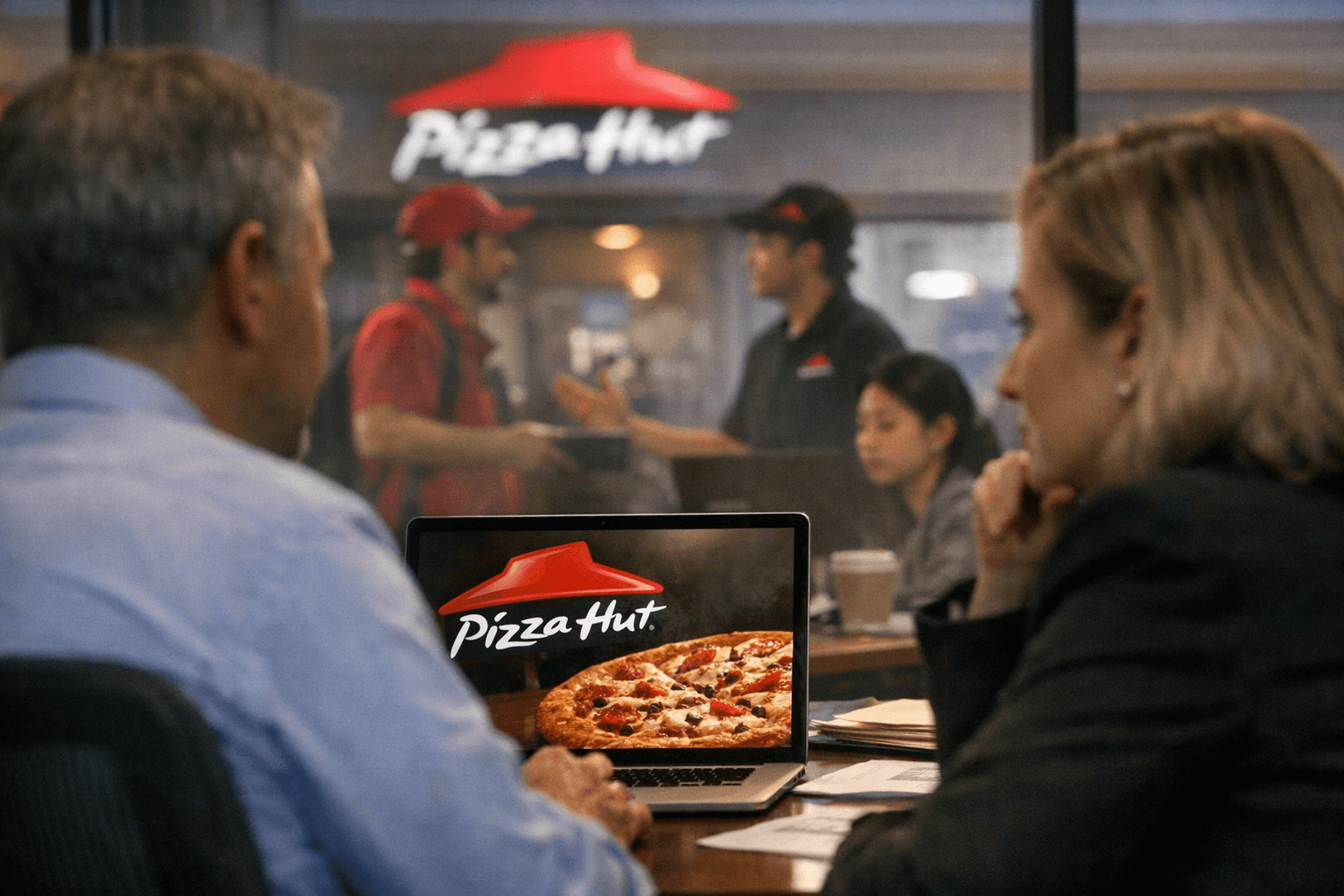
Pizza Hut’s next ownership deadline is now a live test of how lean the brand can run, and that puts kitchen crews, drivers and managers closest to the pressure.
Yum! Brands has set another deadline for formal bids as it weighs a possible sale or other ownership change for Pizza Hut. Private-equity firms including Sycamore Partners, Apollo Global Management and LongRange Capital are among the names in the mix, and no deal is guaranteed. For workers, the significance is not just who owns the brand next, but what kind of operating model a buyer might try to impose.
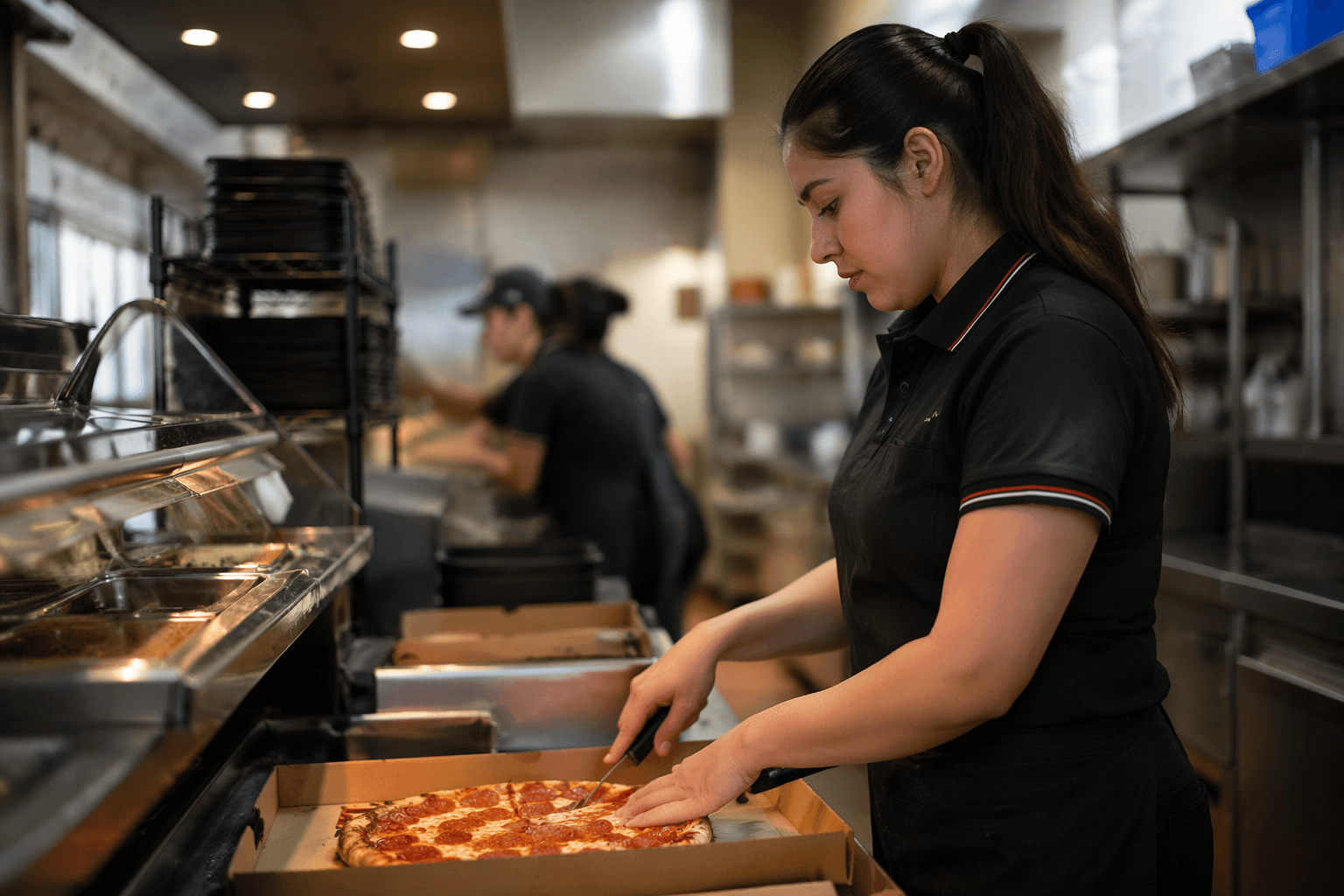
Yum opened the review of strategic options for Pizza Hut on Nov. 4, 2025, saying the goal was to maximize value for shareholders, franchisees, consumers and employees. Chris Turner, Yum’s chief executive, also said Pizza Hut may be better executed outside Yum! Brands. At the time, Yum said there was no deadline or definitive timetable. The new bid date turns that open-ended review into a tighter process, which usually means more scrutiny of store-level numbers that managers already live with every day: labor scheduling, food cost, order accuracy and delivery performance.
That matters because Pizza Hut is not a small asset. Yum describes it as the second-largest pizza concept in the world, with more than 19,000 restaurants in 108 countries and territories. Yum says Pizza Hut produced about $13.1 billion in system sales in 2024, and the broader company franchises or operates more than 63,000 restaurants in 155 countries and territories. In other words, any buyer is not just buying a brand name. It is buying a massive franchise system where a small change in labor targets or service standards can ripple across thousands of shifts.
For workers, the real question is what a new owner would do to prove the brand can grow. Private-equity buyers often look for faster returns, which can translate into tougher productivity demands, tighter staffing, more aggressive cost controls and renewed pressure on local managers to hit numbers. That can mean fewer hours on the schedule, closer tracking of overtime, sharper attention to food waste and stronger expectations on delivery times, especially as Pizza Hut continues competing with DoorDash, Uber Eats and other delivery channels that have changed what customers expect and what drivers can earn.
The sale process also raises the stakes for remodels, menu pushes and franchise pressure. If a bidder sees room to lift margins, store teams could be asked to do more with less, from pushing bundled deals to keeping service steady with thinner crews. If the next owner wants to grow the brand, the people in the stores will be the first proof point.
This article was produced by Prism’s automated news system from verified source data, official records, and press releases, then run through automated quality and moderation checks before publishing. The system is built and supervised by the people who set the standards it runs under. Read our full AI policy.
Did this article answer your question?