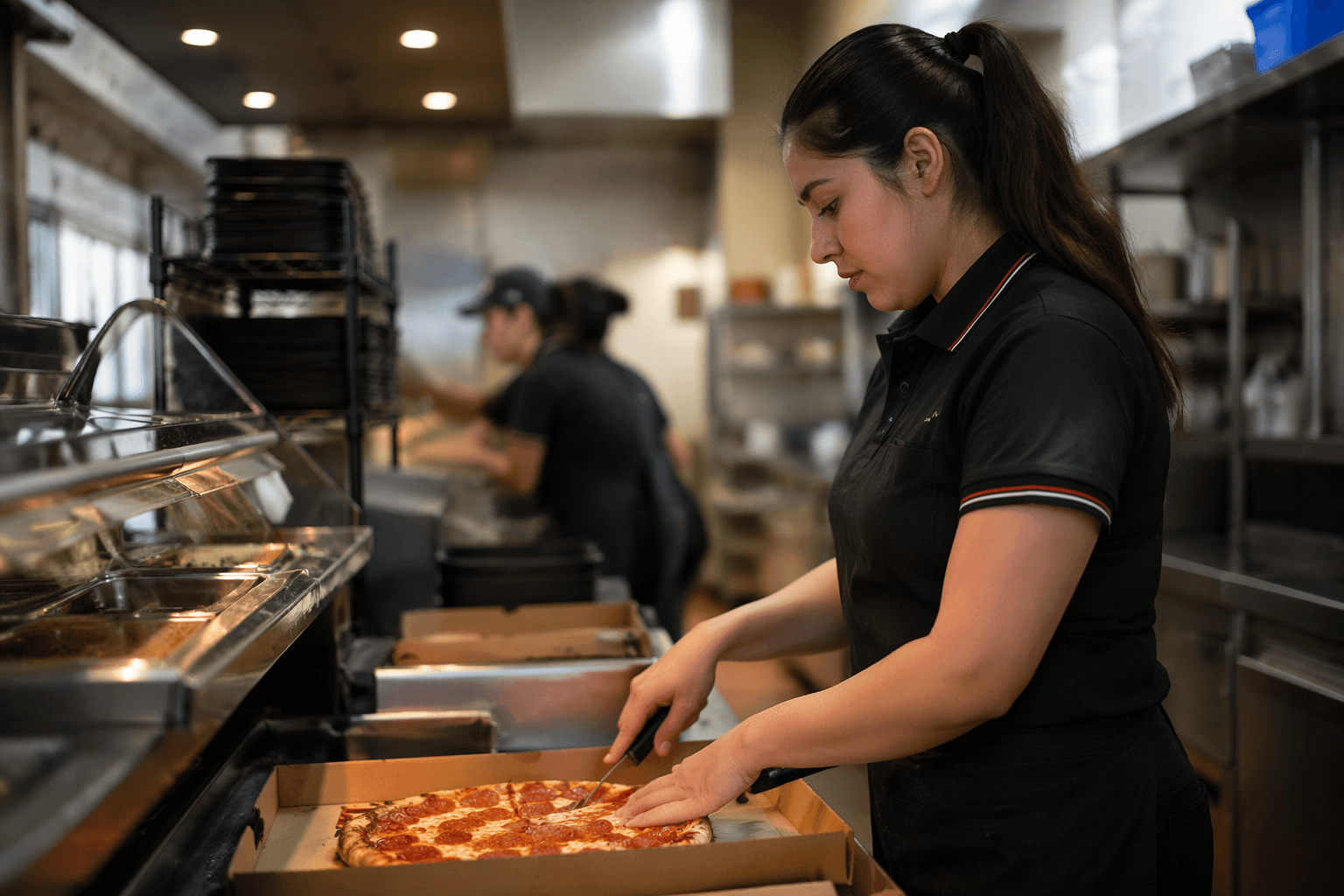
Yum pushes AI, automation across Pizza Hut operations and labor management
Yum’s new AI stack is already testing Pizza Hut’s future: kiosks, smarter dispatch and tighter labor management may soon shape every shift.
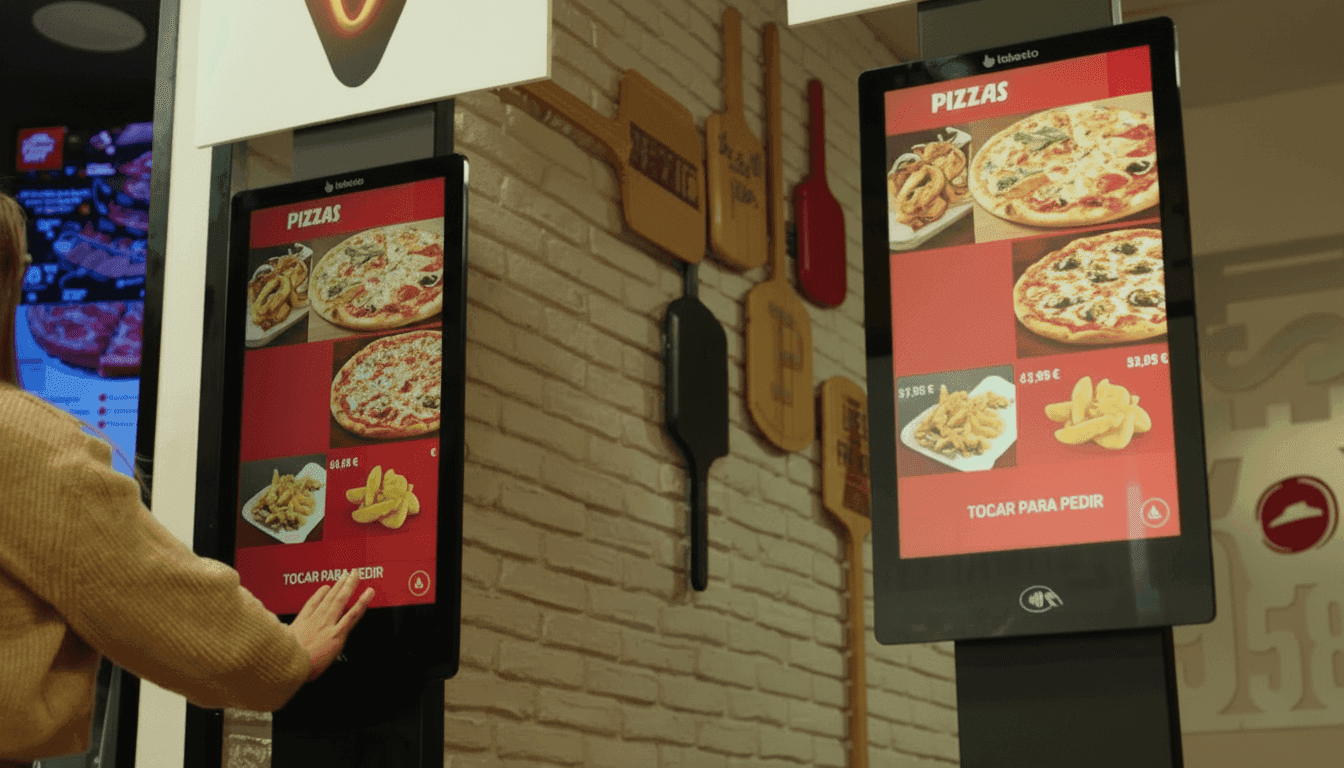
A Pizza Hut in Plano, Texas, has already been rebuilt around kiosks, contactless pickup and a Hut N Go drive-thru, a sign that Yum’s automation push is moving from pilot programs onto the store floor. The question for Pizza Hut crews is not whether the technology will arrive, but how much of the daily job will be handed over to software first.
Yum introduced Byte by Yum! on Feb. 6, 2025 as a proprietary AI-driven SaaS platform for Pizza Hut, KFC, Taco Bell and Habit Burger Grill. The company said the system was designed to delight customers, streamline operations and empower teams, and that it ties kiosk, mobile and drive-thru ordering into one platform. Byte by Yum! is already positioned at enormous scale, with materials saying it serves more than 17,500 restaurants in 100-plus countries and handles more than 3 million transactions.
For Pizza Hut workers, that points to a shift in how stores will run. Ordering is the clearest change: if AI can predict demand more accurately, stores can sequence prep earlier, cut down on missed tickets and reduce the scramble that happens when a rush hits all at once. That can make a shift smoother for kitchen crews and drivers alike. It can also make timing less forgiving, because once the system predicts demand, the store is expected to keep up with it.
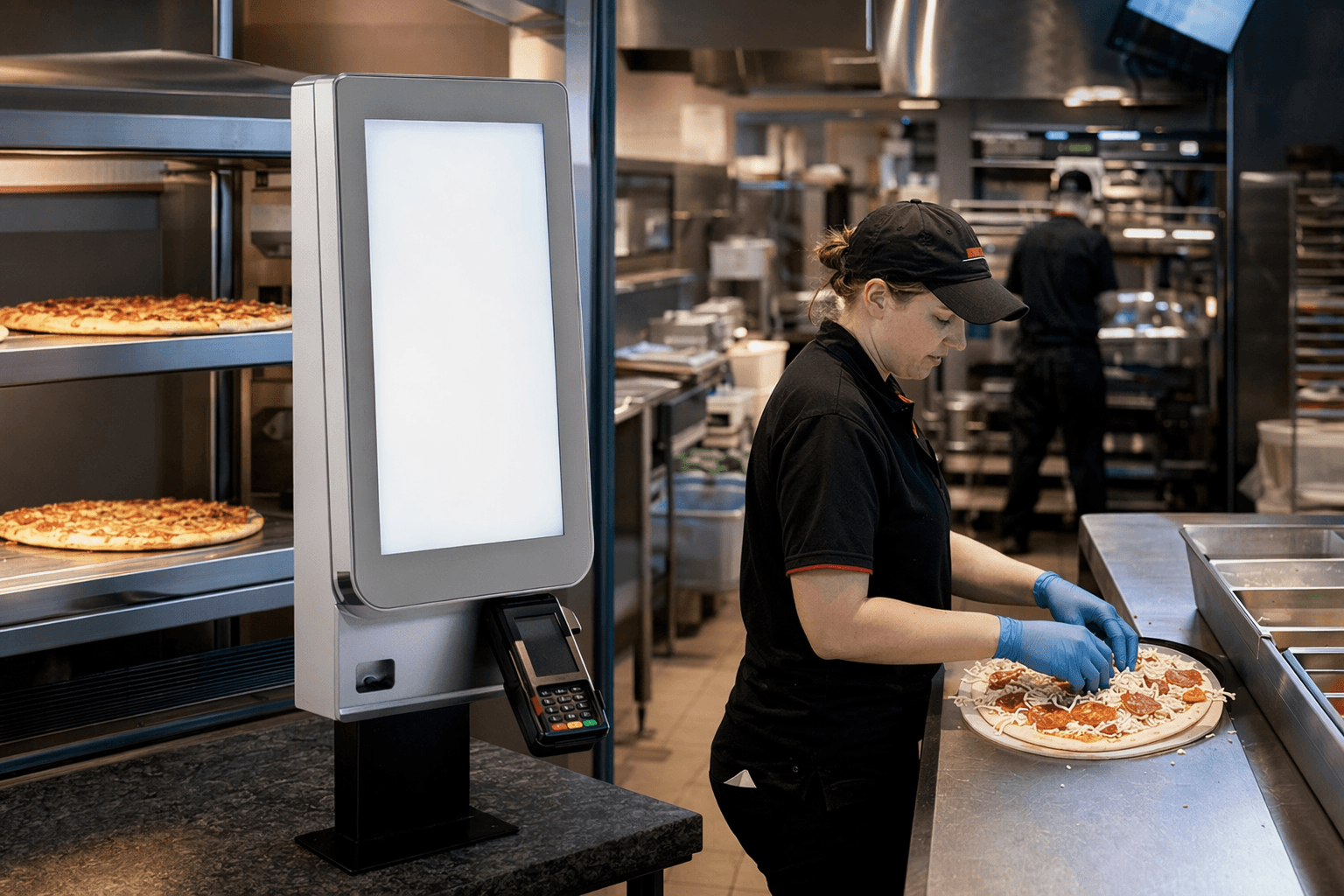
Yum’s March 18 partnership with NVIDIA sharpened that picture. The company said it had already been piloting multiple AI tools in select Taco Bell and Pizza Hut locations in the United States and planned a first broader rollout to 500 restaurants across Pizza Hut, Taco Bell, KFC and Habit Burger Grill in the second quarter of 2025. The first uses were voice automated order-taking, computer vision-enhanced operations and accelerated restaurant intelligence. Yum said the voice tools were built to understand natural speech, complex menus and customer preferences, while computer vision was intended to improve drive-thru efficiency and back-of-house labor management.
That matters for managers because labor oversight is no longer separate from ordering. If a system can track traffic, flag bottlenecks and compare store flow against a model, it can also nudge staffing, pacing and performance in real time. For drivers, better order prediction could mean fewer cold pizzas and fewer wasted trips. It could also mean tighter arrival windows and less room for judgment when the screen says an order should already be out the door.
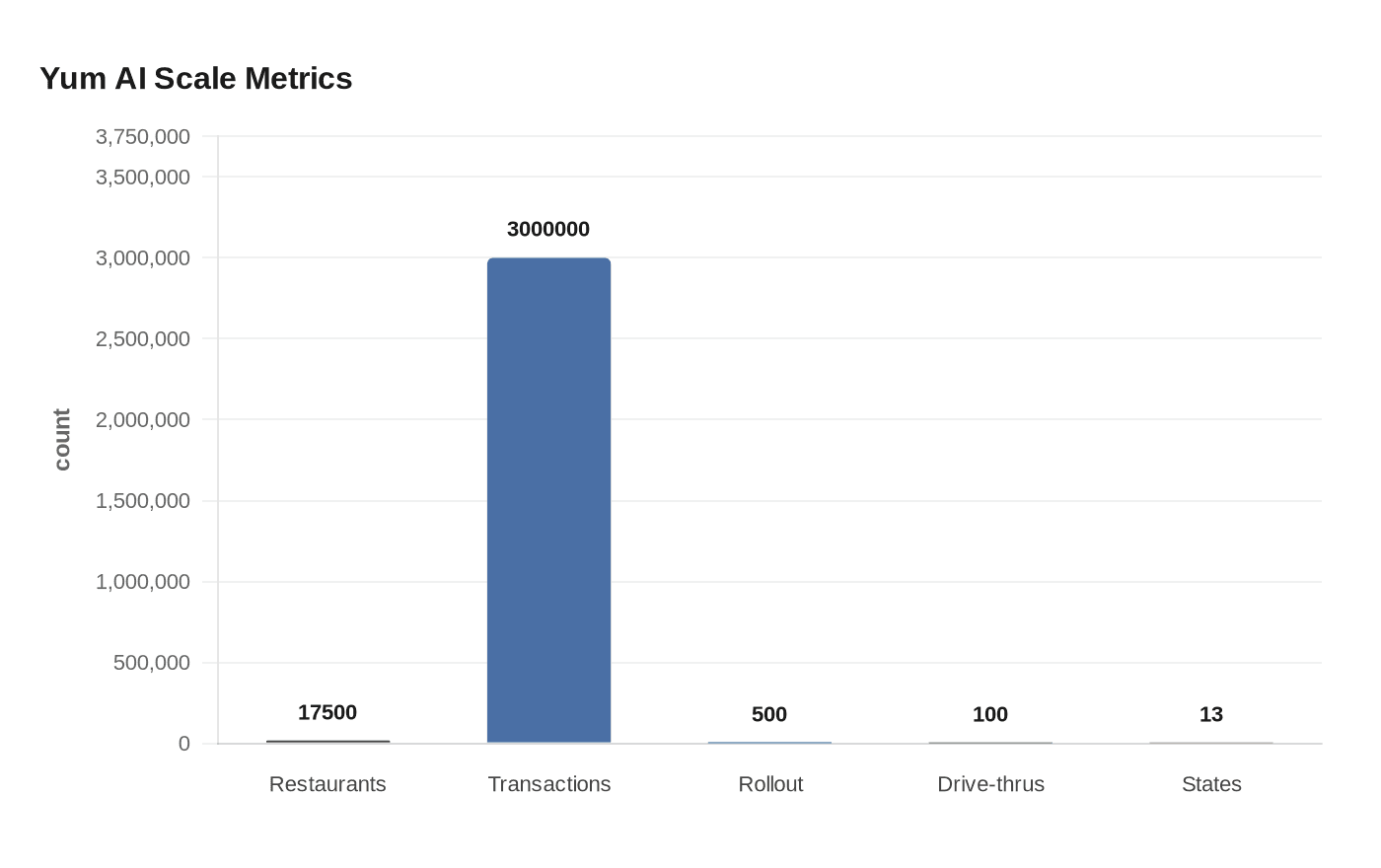
The company has been moving this way for some time. In 2023, Yum said its data strategy would use AI-powered predictions to personalize offers and experiences across brands. In July 2024, it said Voice AI was already live in more than 100 Taco Bell drive-thrus across 13 states, with a target of hundreds of stores by the end of that year. The message to Pizza Hut is plain: the future store is being built around data, screens and standardized workflows, not just people improvising through the rush.
This article was produced by Prism’s automated news system from verified source data, official records, and press releases, then run through automated quality and moderation checks before publishing. The system is built and supervised by the people who set the standards it runs under. Read our full AI policy.
Did this article answer your question?