Yum says most corporate employees work onsite three days a week
Yum’s office week runs Tuesday through Thursday, with remote Mondays and Fridays. For Pizza Hut workers eyeing support roles, that means hybrid, not remote-first.
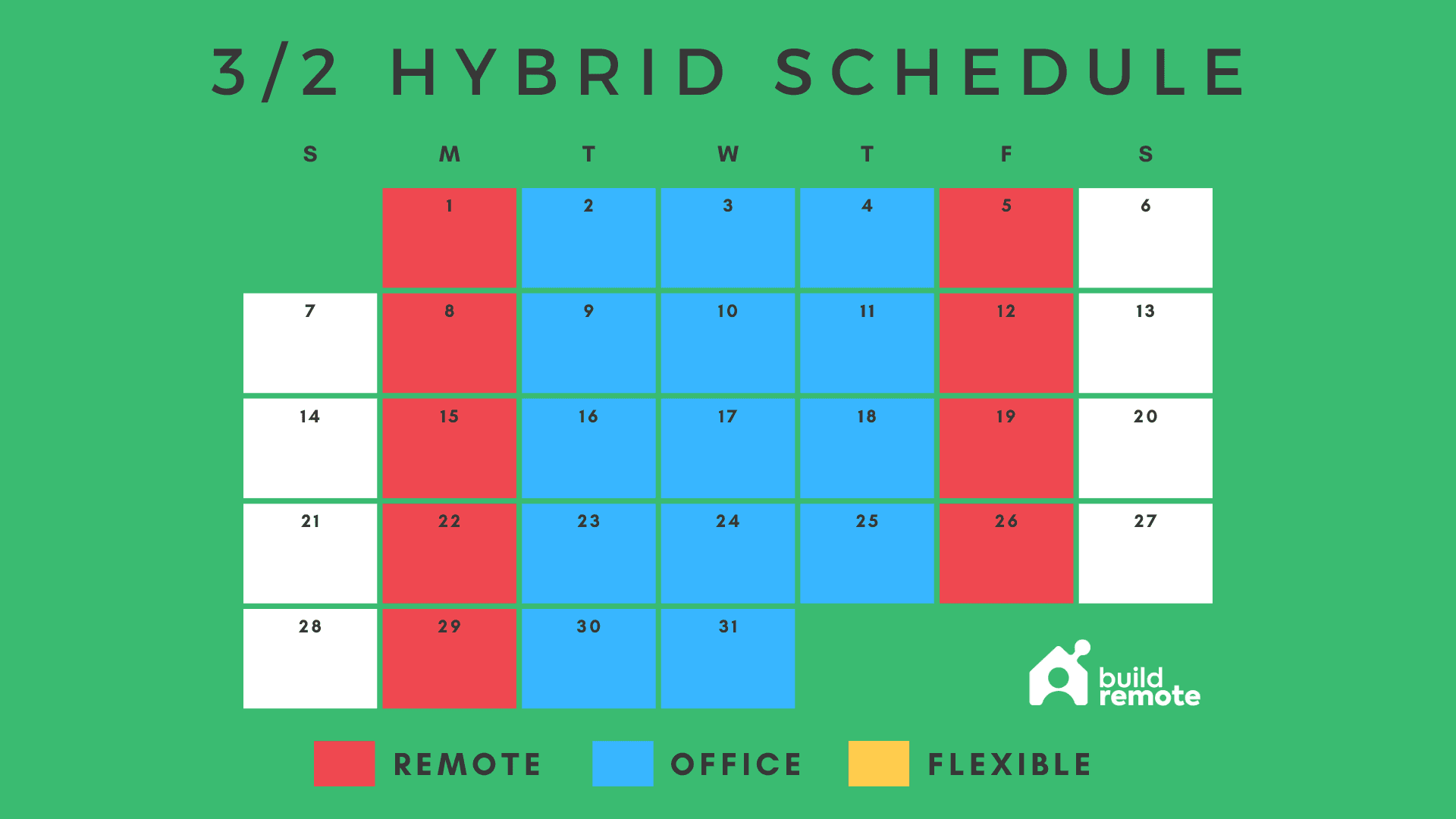
Most Yum corporate employees are on campus three days a week, Tuesday through Thursday, with Monday and Friday remote, and some teams are permanently remote. If you are moving from a Pizza Hut kitchen, delivery route, or store manager job into Yum’s corporate side, that workweek changes in a way that is easy to misunderstand. It is not a fully flexible, anywhere-you-want setup; it is a structured hybrid model that still puts a premium on showing up.
What the schedule actually means
Yum frames its office rhythm around collaboration, connection, celebration, and creation happening best in person. In plain terms, that means the default corporate job is built around face time, not just login time. For people coming out of restaurant work, the important difference is not only where you sit, but how much of the job depends on being seen, being available, and solving problems in the same room as your team.
Some jobs are designed for campus collaboration, while others support distributed teams, franchise relationships, or specialized functions that do not need a desk on the campus every day. If you land one of the permanent remote roles, the flexibility is real. If you do not, the expectation is clear: the company wants its corporate staff together for most of the middle of the week.
Why the office still matters
Pizza Hut’s headquarters teams exist to help Pizza Hut system restaurants deliver the best pizza to the communities they serve. That is a support function, but it is not a detached one. The work flows back into stores, drivers, cooks, and managers, which is why the office is set up less like a remote-only operation and more like a working campus.

The Pizza Hut corporate campus covers 20 acres and holds LEED Gold certification. It also comes loaded with amenities that are meant to keep people on site: a café, coffee bar, dry cleaning, fitness center, basketball courts, jogging trails, and on-site childcare. Yum is not treating the office as a place people visit only when required. It is building a workplace around the assumption that a lot of the value happens when people are physically there.
For support-center employees, that can cut both ways. A campus can mean faster feedback, easier mentorship, and more visibility with managers. It can also mean that the people in the room, or the people on the same schedule, are the ones most likely to get remembered when stretch assignments, promotions, and informal opportunities come up.
The scale behind the policy
Yum’s broader employer story is bigger than Pizza Hut. Its purpose is focused on unlocking opportunity for people, communities, and franchisees, and its talent ecosystem stretches across Pizza Hut, KFC, Taco Bell, and Habit Burger Grill. Its principal executive offices are at 1441 Gardiner Lane in Louisville, Kentucky, and it filed its 2024 annual report on February 19, 2025.
A parent company that supports thousands of restaurants, multiple brands, and franchise relationships has to coordinate standards, technology, and operations across a wide network. In that kind of setup, the office is where brand rules, digital tools, and operational changes get pushed down into the restaurants.
The benefits package attached to the badge
Pizza Hut corporate employees get a 401(k) with a 6% company match and no vesting period, comprehensive medical, dental, and vision coverage, and 100% preventative care. They also get onsite fitness, year-round half-day Fridays, and four weeks of vacation from day one.
The leave and education benefits are just as concrete. Pizza Hut offers up to 18 weeks of maternity leave and 6 weeks of paternity leave, adoption assistance, paid volunteer time, tuition reimbursement up to $5,250 per year, scholarships, and education discounts through partner programs.
How the digital operation reaches the store floor
The office side of Yum is also tied directly to the delivery business. KFC U.S., Pizza Hut U.S., and Taco Bell U.S. all operate on the Byte digital ordering platform, and Yum says 25,000 Yum restaurants worldwide are using at least one Byte by Yum product. Pizza Hut U.S. also migrated to the Byte Kitchen & Delivery platform, which Yum says improved retention rates and consumer experience, including a reduction in delivery time of up to five minutes.
That kind of change is not abstract for restaurant workers. A five-minute cut can change how quickly tickets clear, how long drivers wait for orders, and how much pressure builds during a dinner rush. For managers, it can affect staffing flow and handoff timing. For cooks and shift leads, it can change the pace at the make line. For drivers, it can affect the number of runs that fit into a shift and how much time gets lost waiting at the counter.
This article was produced by Prism’s automated news system from verified source data, official records, and press releases, then run through automated quality and moderation checks before publishing. The system is built and supervised by the people who set the standards it runs under. Read our full AI policy.
Did this article answer your question?