Bartenders juggle service, compliance and speed as demand grows
Bartending is less about pouring and more about split-second judgment: most bartenders are in nonstop customer contact while handling IDs, cash and service pressure.
The bar is a workbench, not just a counter
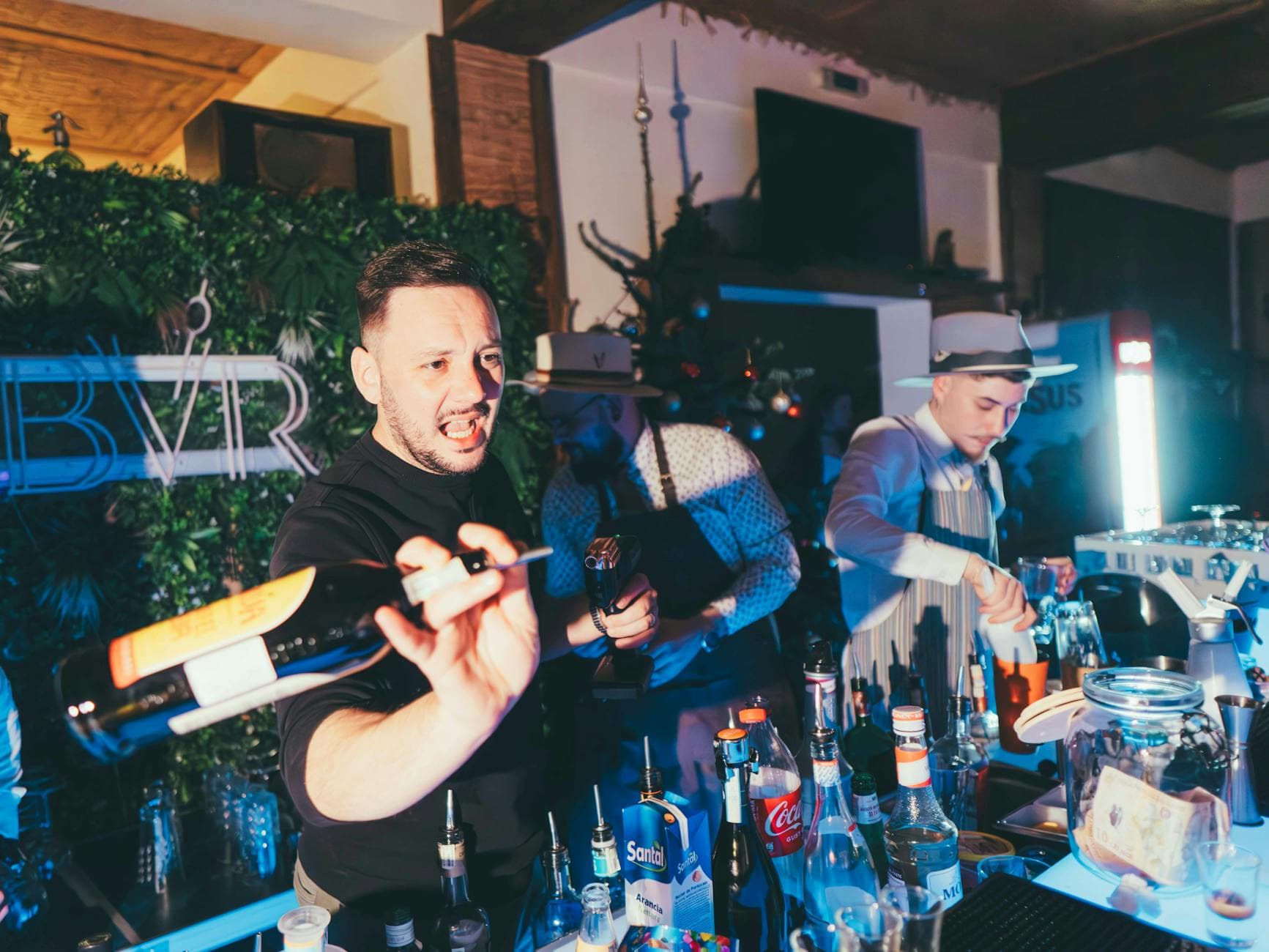
A good bartender is not standing behind a polished line of bottles waiting for orders. The job sits at the center of service, compliance, and speed, where drink production, customer screening, cash handling, restocking, and crowd control all land at once during a rush. That is why bartender performance can shape the whole floor: if the bar stalls, everything from ticket times to guest patience starts to slip.
The U.S. Bureau of Labor Statistics describes the work in practical terms. Bartenders mix drinks and serve them directly or through wait staff, but they also greet customers, offer menus, explain specials, check IDs, manage the bar, and keep liquor and supplies stocked. In other words, the role is as much about keeping an operation moving as it is about making a drink look good.
Speed matters because the job is almost nonstop human contact
This is not a quiet back-of-house support role. The BLS Occupational Requirements Survey said that in 2025, external verbal interactions were required constantly, every few minutes, for 90.6 percent of bartenders. That means the job is built on a steady stream of judgment calls, from taking orders and reading the room to handling the next guest before the current one has even left the rail.
That pace gets harder during late evenings, weekends, and holidays, when demand surges and the margin for error shrinks. The BLS says bartenders are under pressure during busy hours to serve customers quickly and efficiently, which is exactly why experienced bartenders are prized in high-volume rooms. They are not just fast, they are organized under pressure, able to remember product details, keep cash straight, and stay composed while the line grows behind them.
A widely available job, but not an easy one
The barrier to entry is lower than many people assume. The BLS says bartenders typically learn through short-term on-the-job training and do not need a formal educational credential. That makes the job accessible, especially for workers trying to move into a tip-heavy front-of-house role without a long training pipeline.
The pay picture is mixed. In 2024, bartenders had a median annual wage of $33,530, or $16.12 per hour, and there were 756,700 bartending jobs in the United States. The BLS projects employment growth of 6 percent from 2024 to 2034, with about 129,600 openings per year on average, mostly because workers transfer to other jobs or leave the labor force. For workers, that means the role remains a real entry point into restaurant work, but not a low-skill one.
The compliance load is part of the job, not an afterthought
Every bar shift includes a legal side that diners rarely see. Bars, restaurants, and nightclubs sell age-restricted alcohol, so checking IDs is not optional theater. It is a core protection against illegally serving someone under 21, and busy service periods make fake IDs harder to catch because staff are moving quickly and juggling multiple demands at once.
Refusing service is another place where policy and practice can split. A 2018 survey of bar and restaurant managers found that managers were generally confident they could refuse service to intoxicated customers, but they were less likely to have fully communicated the necessary refusal procedures to staff. That gap matters on a packed night, when a bartender may be the one making the call in real time while also fielding orders, payments, and a waitlist at the same moment.
For managers, the lesson is straightforward: a bar is not only a revenue center, it is also a safety checkpoint. If staff are not trained on ID checks and intoxication refusal, the risk rises right when the room is busiest and the consequences are most visible.
Why the money still runs through tips
Bartending has always been tied to the tip economy, and that history helps explain why the job still carries such outsized pressure. A policy memo citing historian Kerry Segrave says commercial tipping expanded in the 18th century, moving from servants into coffeehouses, hotels, and restaurants. The modern bar inherits that system, which is why speed, memory, product knowledge, and composure can affect take-home pay so directly.
That history also gives bartenders a strange kind of leverage inside the restaurant. The role is tip-heavy, customer-facing, and highly visible, which means a strong bartender can stabilize a shift even when staffing is thin or the room is loud. When the bar is running well, guests move faster, servers turn tables more cleanly, and managers spend less time putting out fires.
What the job really demands
Bartending rewards people who can do several things at once without letting the room see the strain. You need to greet, pour, count, verify, and de-escalate, sometimes in the same minute. You also need the discipline to keep the pace up without losing sight of the legal and operational details that can blow up a night if they are ignored.
That is the reality behind the romantic version of the job. Bartending is hospitality, but it is also inventory control, compliance, and frontline judgment under pressure. In a restaurant business still shaped by tip culture and constant turnover, the best bartenders are often the ones who make complexity look effortless.
This article was produced by Prism’s automated news system from verified source data, official records, and press releases, then run through automated quality and moderation checks before publishing. The system is built and supervised by the people who set the standards it runs under. Read our full AI policy.
Did this article answer your question?