Boulder weighs tipped wage changes as restaurant minimum pay rises
Boulder workers are debating a $3.02 tip offset as the city’s minimum wage hits $16.82, with paychecks and staffing on the line.

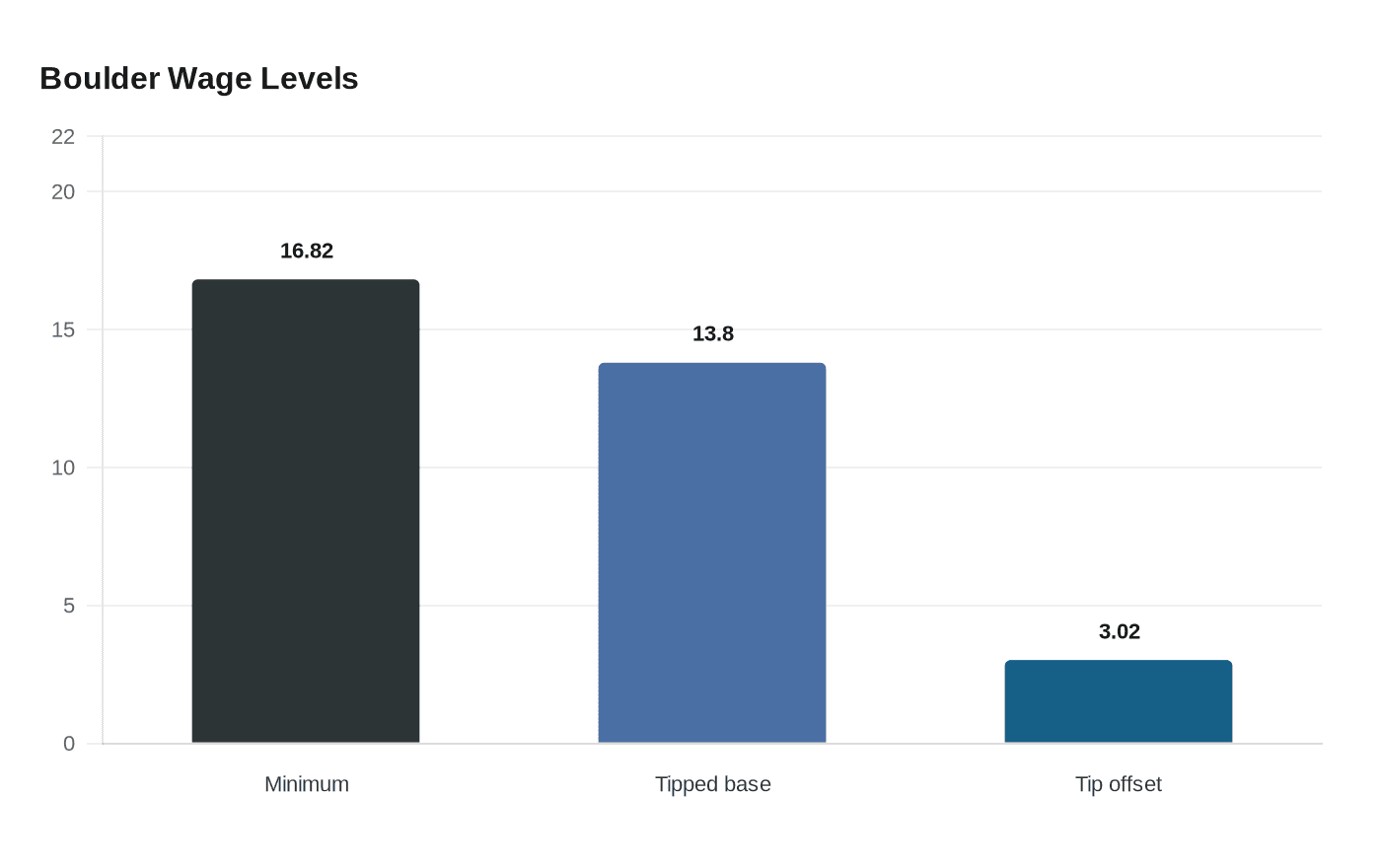
Boulder restaurant workers are fighting over a number that looks small on paper but can change what a slow shift actually pays: the city’s $3.02 tip offset. With Boulder’s minimum wage at $16.82 in 2026 and the tipped base wage at $13.80, servers and bartenders are watching closely to see whether more of their income will come from guests or from their employer.
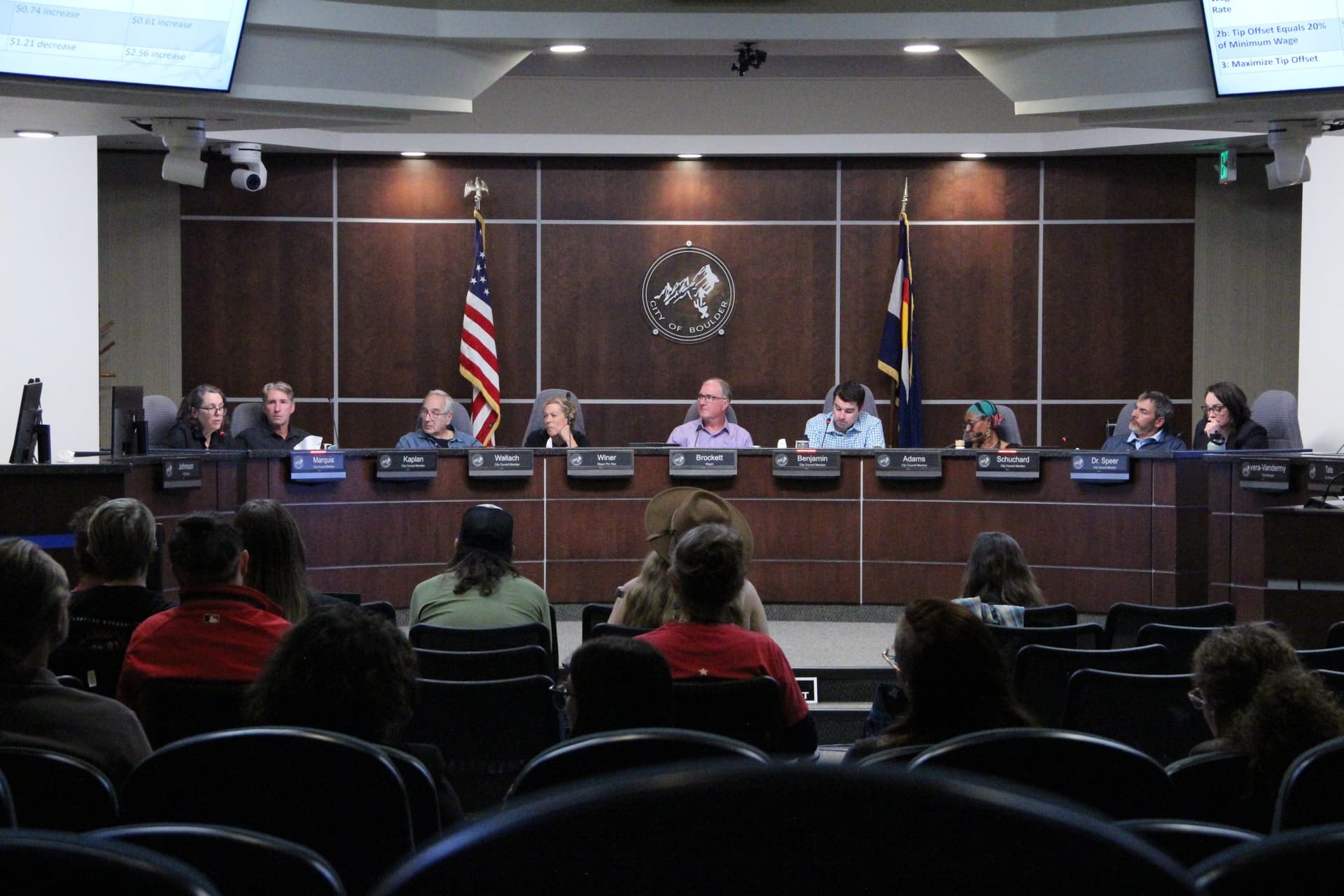
That tension is why the Boulder City Council’s review feels less like a policy exercise than a paycheck question. Under a 2025 state law, HB25-1208, local governments with higher-than-state minimum wages can modify the tip offset. Boulder could not touch the offset when it approved 8% wage hikes for 2025, 2026 and 2027 in 2024, because it did not yet have that authority. Now it does, and staff has put forward options ranging from no change at $3.02 to larger increases, while stopping short of any change that would lower tipped workers’ base wage for 2027.
The city’s wage structure matters because the difference between a base wage and a tipped wage is what fills in the gaps when the floor is slow, sections are light, or weather keeps diners home. Boulder says the offset applies only to food and beverage establishments, and that tipped workers must still earn at least the full local minimum wage. Beginning in 2028, the city’s wage increases are set to follow the Denver-Aurora-Lakewood CPI, making the current tip-offset debate one of the last big moving parts before the formula becomes more automatic.
Restaurant owners have argued that easing the wage burden could help them absorb inflation and survive. Labor advocates and some workers have warned that a higher offset could reduce take-home pay and deepen instability for workers already living with tip volatility. At the April 2 public comment session, some workers backed keeping the current offset, a sign that not everyone on the floor sees a slower tipped-wage climb as protection.
The stakes sharpen when the pay math gets stripped of industry talking points. Brian Keegan argued in an analysis tied to the debate that a widely cited figure putting tipped workers at about $40 an hour did not match U.S. Census data, undercutting the assumption that servers and bartenders are already doing far better than the paperwork suggests. If that assumption is wrong, the policy choice is not about squeezing a comfortable workforce. It is about whether a server can trust a Tuesday night paycheck, whether a bartender can count on enough base pay to survive a dead week, and whether managers can keep enough people on the schedule to keep service moving.
Boulder’s public feedback window runs through June 2, 2026, and council is divided. The next decision will shape not just labor budgets and menu prices, but the basic financial reality of front-of-house work in a city where the minimum keeps climbing.
This article was produced by Prism’s automated news system from verified source data, official records, and press releases, then run through automated quality and moderation checks before publishing. The system is built and supervised by the people who set the standards it runs under. Read our full AI policy.
Did this article answer your question?