Carl’s Jr. closes 50 California locations as wage costs rise
About 1,000 Carl’s Jr. workers are in limbo as a California franchisee moves to close 10 restaurants and sell 49 more after a Chapter 11 filing.
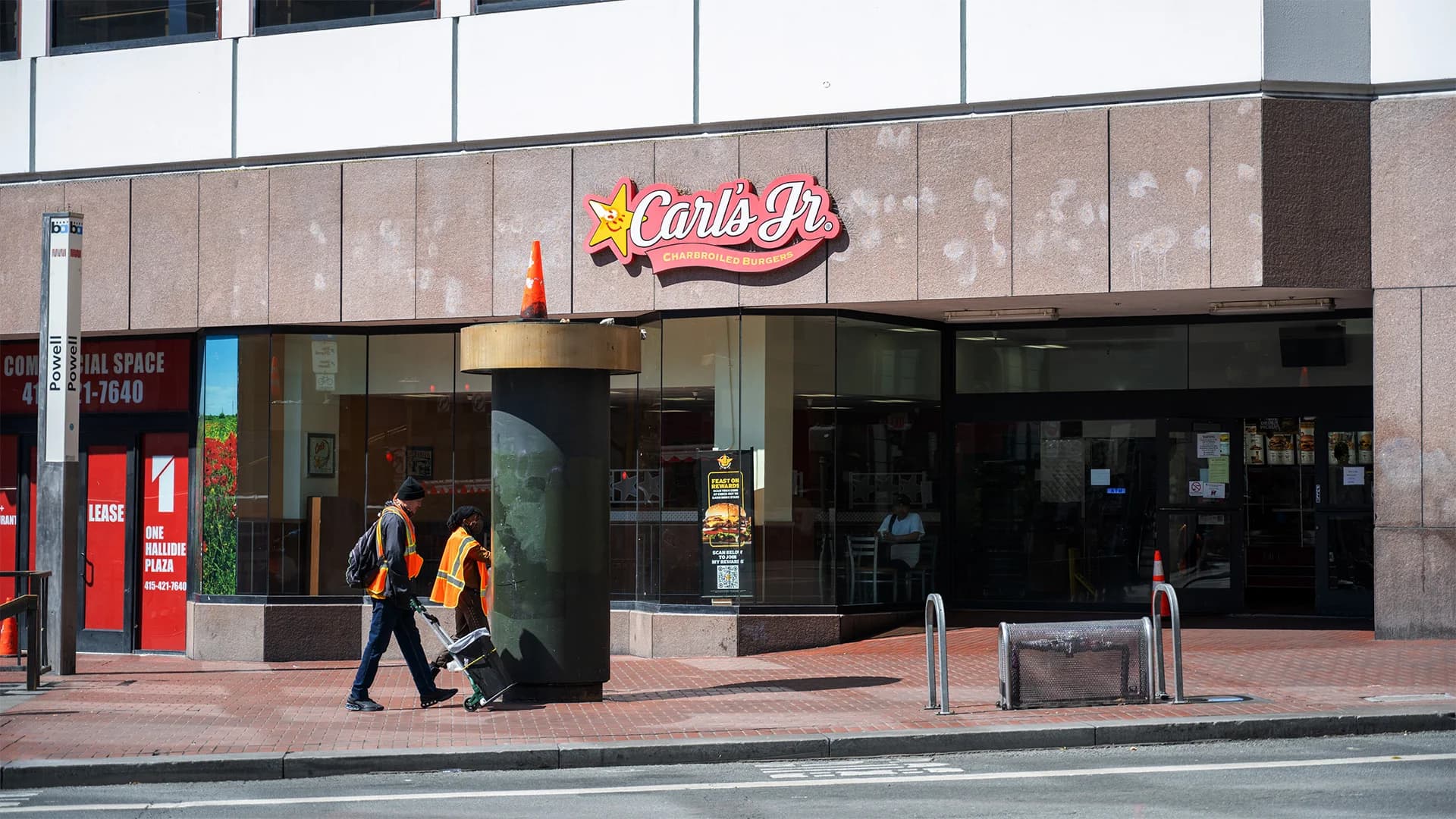
One Carl’s Jr. in Arroyo Grande shut unexpectedly this week, with a sign telling customers to visit the chain’s other locations in Nipomo and San Luis Obispo. About 1,000 Carl’s Jr. workers are in limbo as Sun Gir Incorporated, one of the Friendly Franchisees Corporation entities controlled by Harshad Dharod, moves to close 10 underperforming California leases and sell 49 other restaurants.
California’s $20 fast-food wage took effect on April 1, 2024, after Governor Gavin Newsom signed AB 1228 on September 28, 2023. Dharod said in a court filing that the increase “materially increased operating expenses,” and the law was meant to lift pay and workplace standards for roughly 500,000 fast-food workers and created the Fast Food Council to set future wages and rules. The council can raise the wage annually or vary it by region.
Sun Gir said it generated $19.9 million in net sales in the first three months of the year and still lost $2 million, while also falling behind on rent, royalties and other required charges at some locations. Dharod also cited reduced marketing effectiveness, a lack of innovation at the franchisor level, rising competition and executive turnover as pressure points. Carl’s Jr.’s franchisor called the distress specific to “this individual franchisee’s financial and business circumstances” and said it would not spill over to other locations.
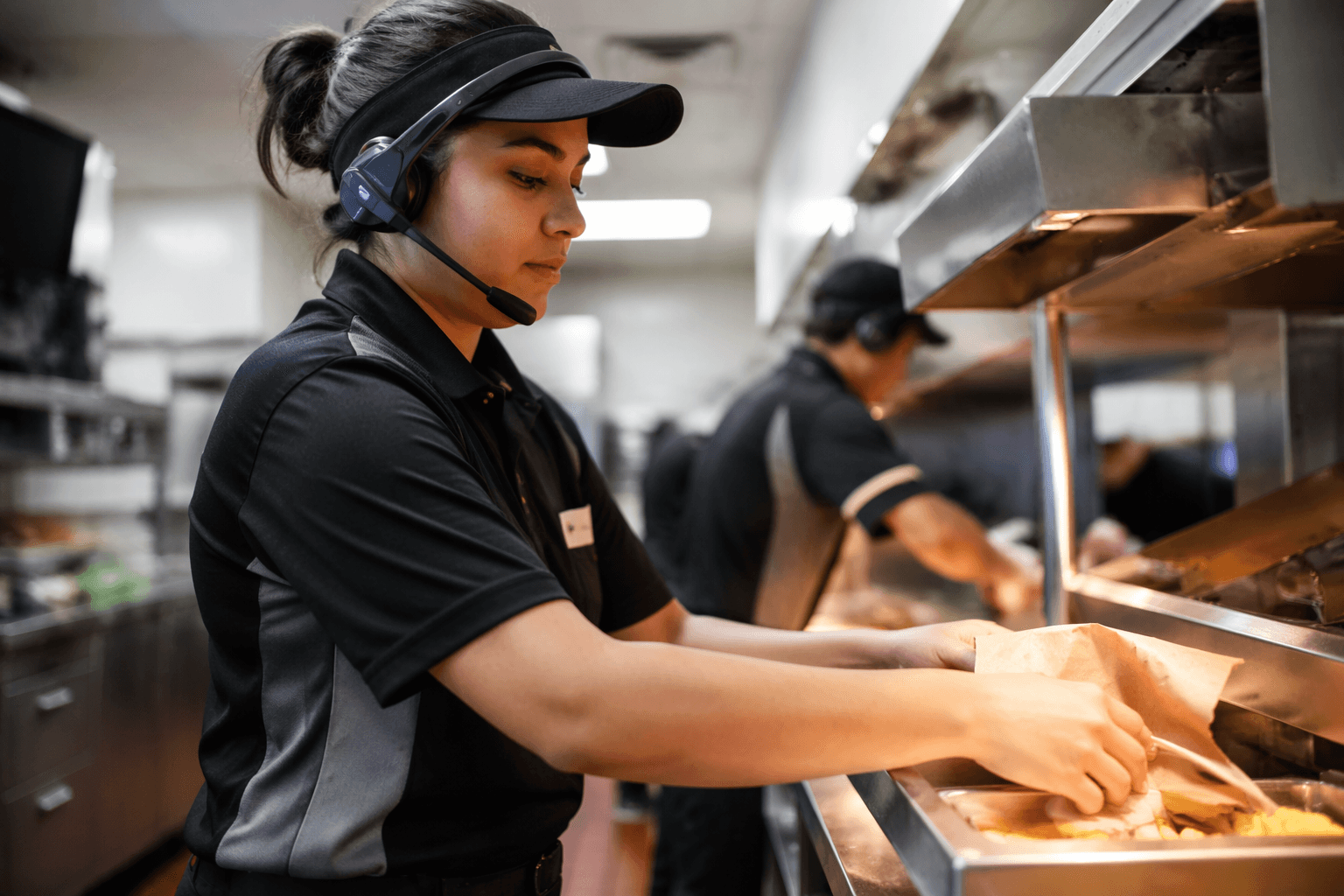
Circana data put Carl’s Jr. consumer spending down 4% in 2025 and the chain’s location count down 3%, while California unit counts slipped from 613 in 2023 to 588 in 2025. The bankruptcy papers cover 52 Southern California restaurants and seven in Northern California, and the company said it would use cash collateral to cover payroll for about 1,000 employees, along with food, inventory, rent and insurance. Under California labor rules, discharged workers are owed final wages immediately, and eligible workers can apply for unemployment benefits through the state.
This article was produced by Prism’s automated news system from verified source data, official records, and press releases, then run through automated quality and moderation checks before publishing. The system is built and supervised by the people who set the standards it runs under. Read our full AI policy.
Did this article answer your question?