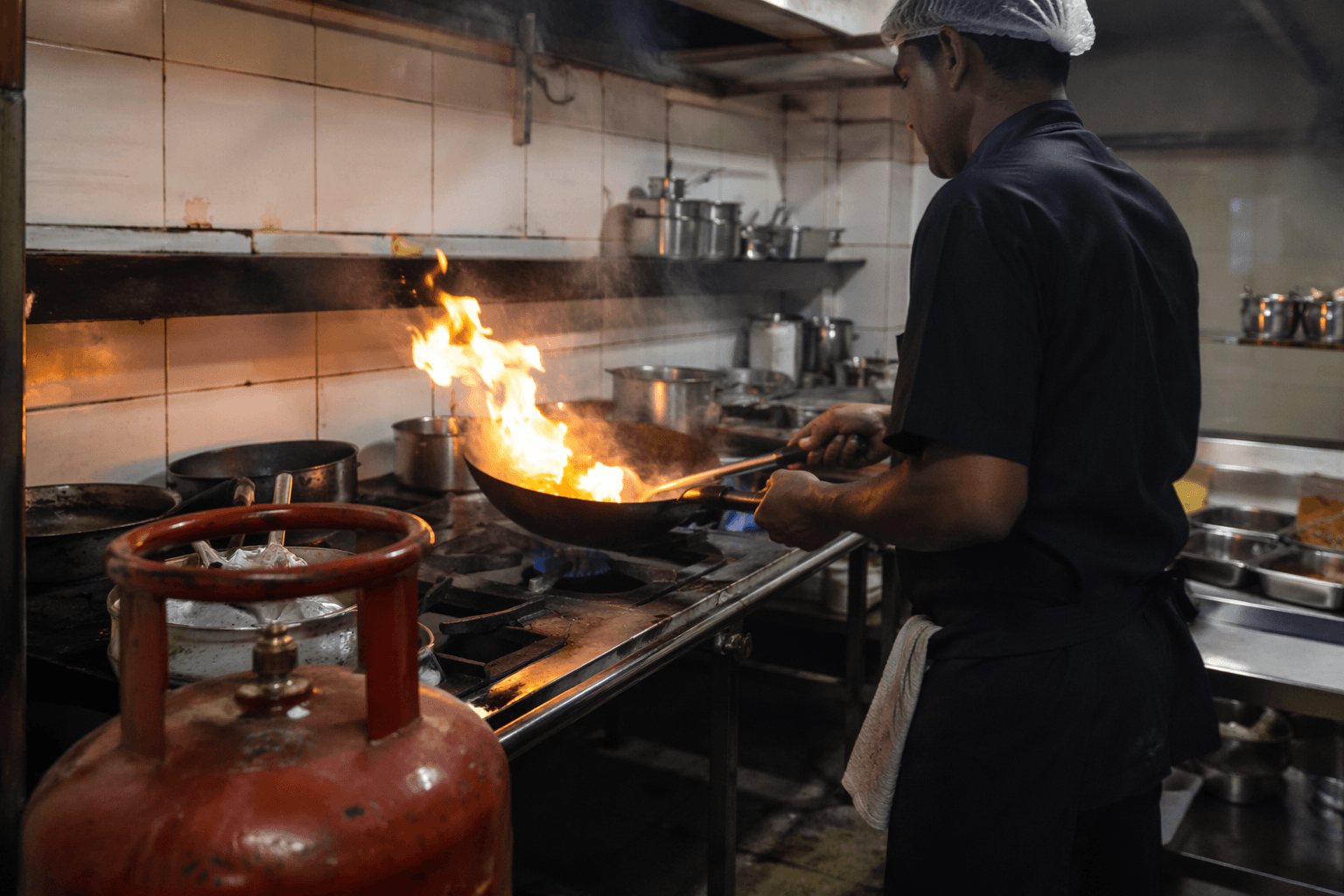
CDC says restaurant managers can discuss sick workers, symptoms
A sick cook can sink a whole shift, and the CDC says managers are allowed to ask about symptoms and diagnoses before that happens.
A line cook who keeps vomiting through a lunch rush, or a server with diarrhea who still wants to make one more table turn, can turn a routine service into a restaurant-wide outbreak. The CDC says managers can and should talk with workers about symptoms and diagnoses, and that HIPAA and the ADA do not block those conversations when the goal is stopping foodborne illness.
That matters because more than half of U.S. outbreaks of foodborne illness are linked to restaurants, delis, banquet facilities, schools, and similar institutions. In other words, the risk is not abstract. One sick person on a line can expose co-workers, guests, and the next shift if the problem is hidden until service is already underway.
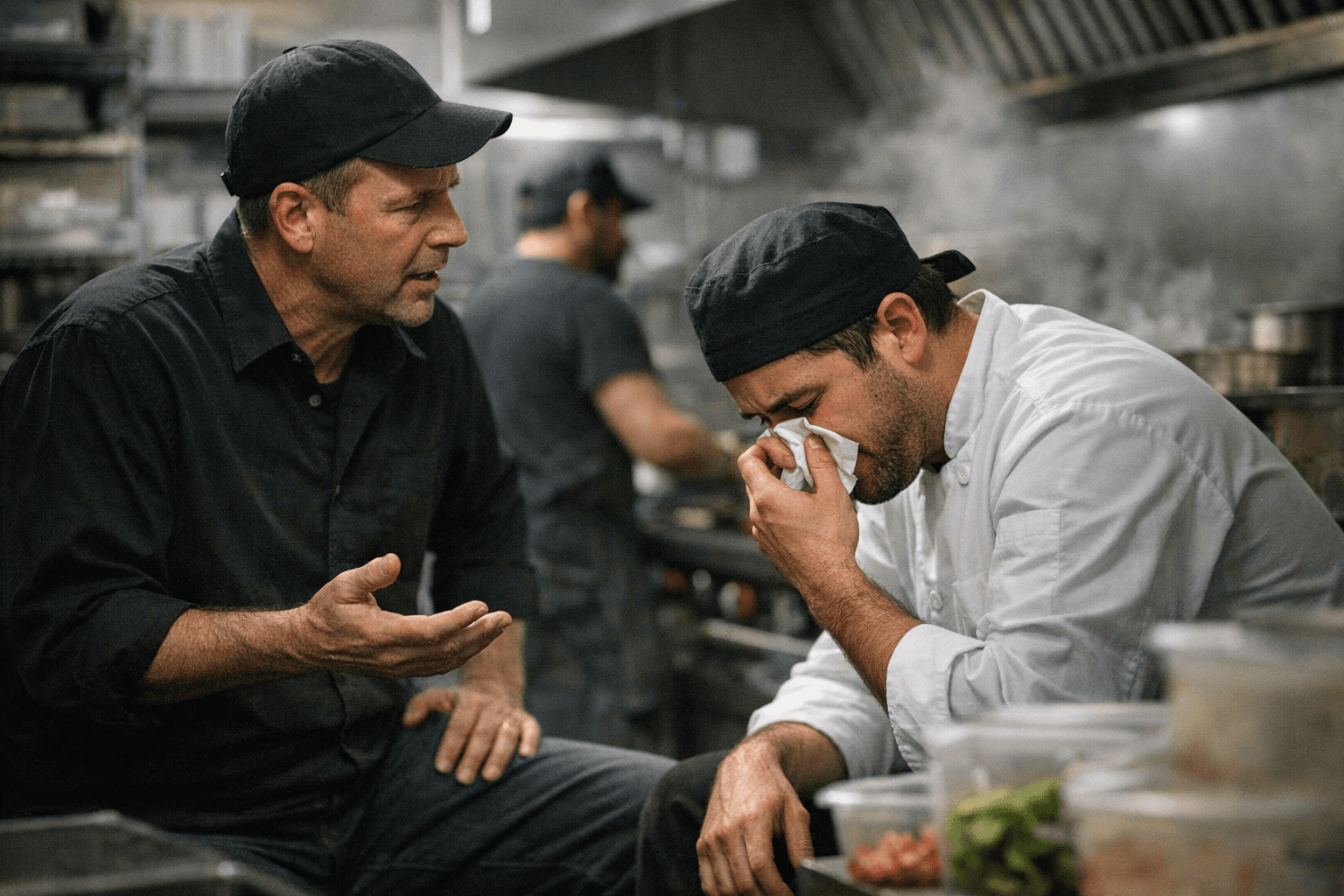
The CDC says the Food Code encourages employee-manager conversations about foodborne illness, and that workers should tell managers about possible symptoms early. Managers are also responsible for making sure staff know those reporting rules. The Food Code is the Food and Drug Administration’s science-based model for state and local food safety rules, so what a manager says in the break room can line up with what local inspectors expect on the floor.
For restaurant workers, the practical rule is simple: if you are vomiting, have diarrhea, or have another symptom that could contaminate food, say something early and stay out of food handling until you are cleared under local policy. That protects the dishwasher, the prep cook, the bartender, and the expo line just as much as it protects guests. A single sick worker can trigger a whole-service problem, especially in a kitchen already stretched by staffing shortages, burnout, and high turnover.
For managers, the issue is not whether asking about illness feels personal. The issue is whether the restaurant is set up so staff can report symptoms without fearing they will lose a shift or get treated like they are letting the team down. The best operations make the rule easy to understand, repeat it often, and build coverage plans so workers do not feel forced to hide symptoms just to keep the night alive. In a business built on repeat customers, preventing one avoidable outbreak is both a worker-protection measure and a basic defense of the restaurant itself.
This article was produced by Prism’s automated news system from verified source data, official records, and press releases, then run through automated quality and moderation checks before publishing. The system is built and supervised by the people who set the standards it runs under. Read our full AI policy.
Did this article answer your question?