EEOC: Restaurants Must Accommodate Religious Practices, Unless Undue Hardship
Restaurant shifts can clash with Sabbath, prayer, or grooming rules. The EEOC says managers must look for a workable fix unless it creates undue hardship.
What the EEOC says restaurants have to do
A restaurant cannot force a worker to choose between keeping a job and following a sincerely held religious belief when a workable adjustment exists. Under Title VII, employers must make reasonable accommodations for an applicant or employee whose religious practice conflicts with a work requirement, unless the change would create an undue hardship.
In plain language, that means the question is not whether a manager thinks the request is convenient. The question is whether the business can make a real adjustment, such as a schedule change, a task swap, or a dress-code exception, without crossing the line into an undue burden. The EEOC describes a religious accommodation as a change to a work rule that lets the employee comply with their beliefs, often by making a special exception or modifying a specific requirement.
How this shows up on the restaurant floor
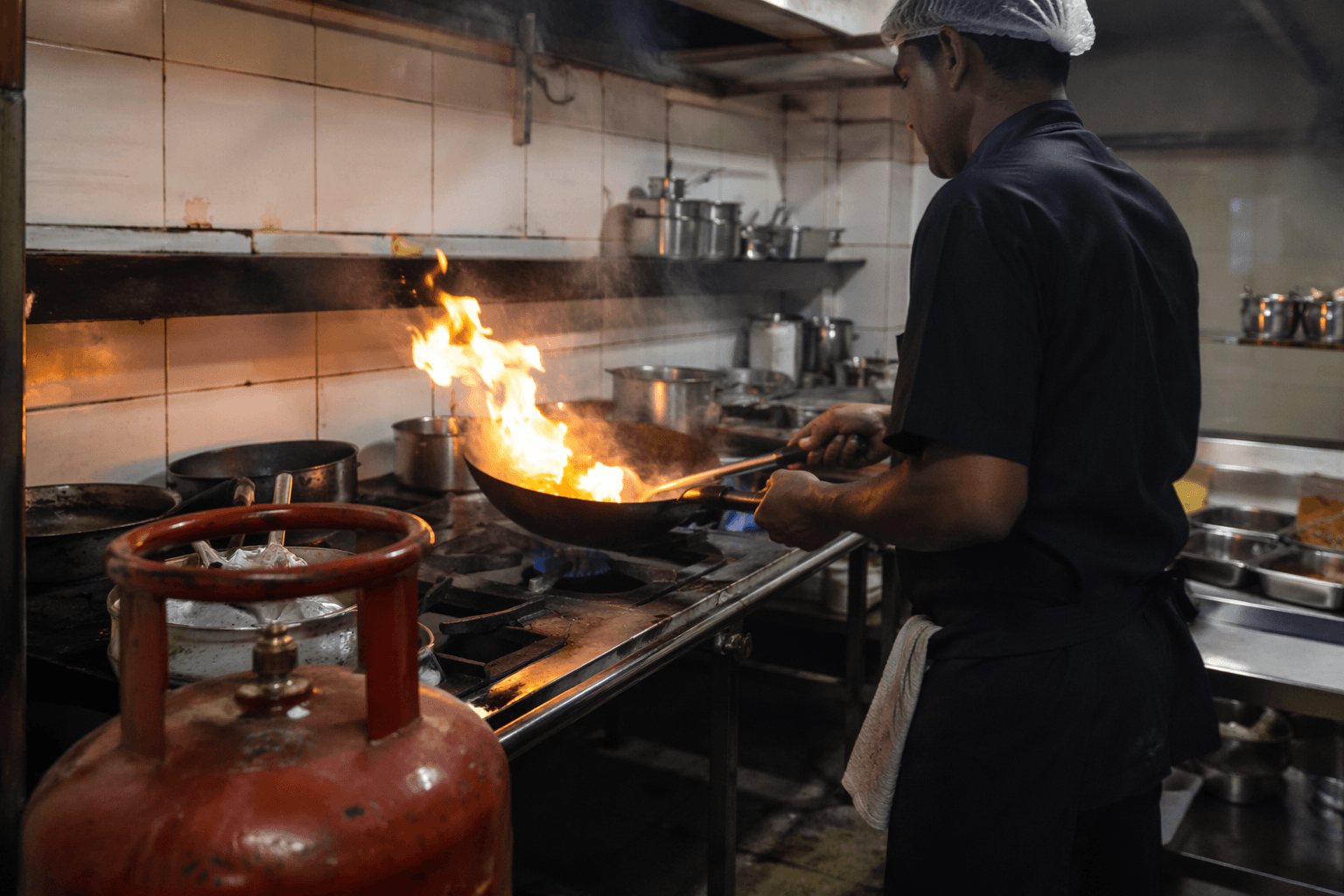
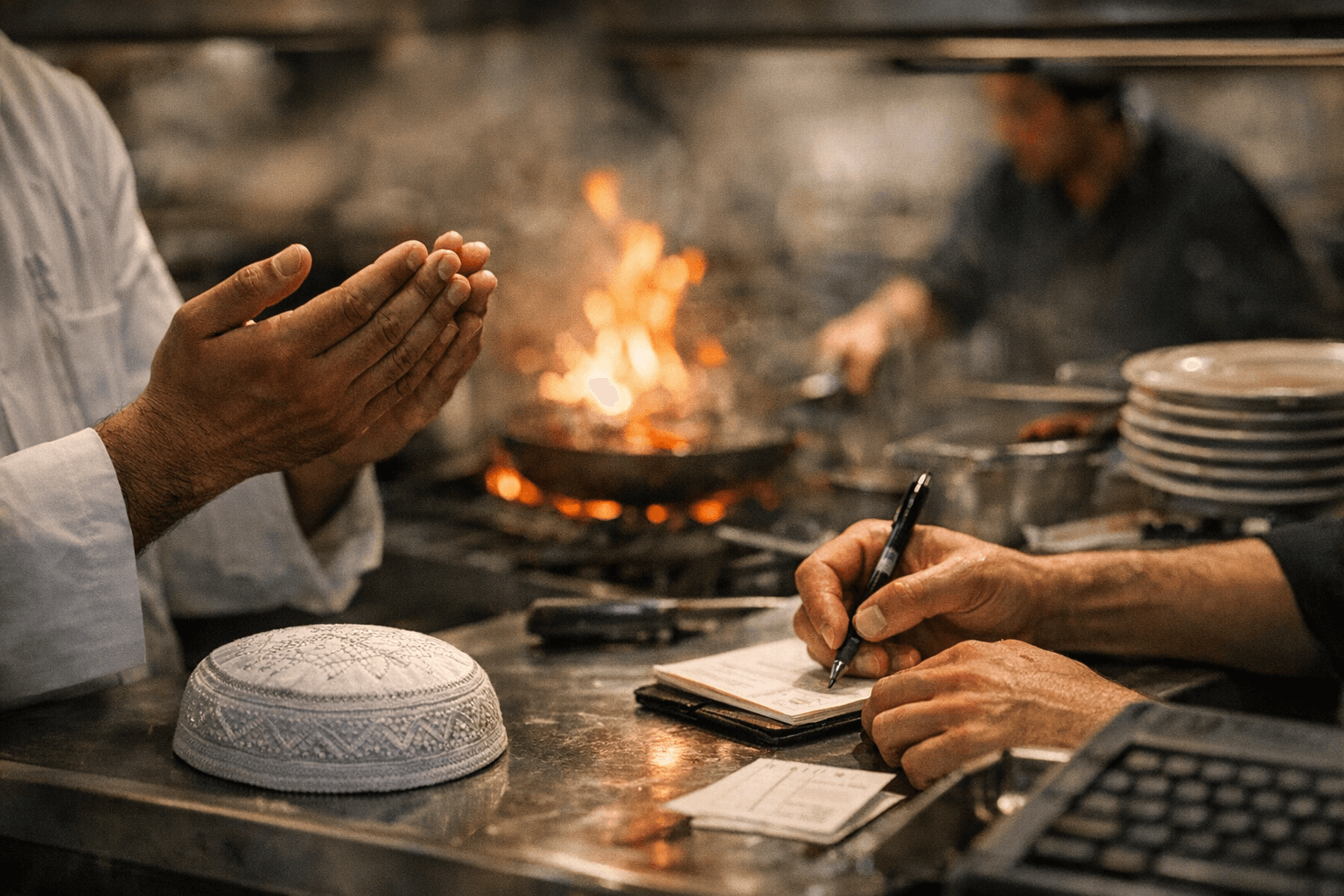
In restaurants, these conflicts rarely look abstract. They show up in the middle of a lunch rush, on the opening line, or in a weekly schedule that was built before anyone asked for a change. A server may need a shift moved to observe the Sabbath. A cook may need a beard, head covering, or other grooming exception in a kitchen with strict appearance rules. A bartender or host may need short prayer breaks. A worker may need a schedule adjustment tied to fasting or a reassignment away from a task that conflicts with religious practice.
That is why accommodation is a live operations issue, not just an HR file. Restaurant managers already juggle call-outs, tip coverage, tip pooling concerns, minimum wage pressure, and constant staffing shortages. A religious accommodation request belongs in that same day-to-day management reality. If the operation can cover a station through a swap, a different start time, or a modest rule change, the law expects the employer to consider it seriously.
Reasonable accommodation is not automatic, but it has to be real
The EEOC does not say every request must be granted exactly as asked. It says managers must consider the request in good faith and look for a workable answer. That matters in a business where a refusal can sometimes be disguised as a staffing judgment when the real problem is discomfort with the belief itself.
A guest’s preference does not cancel an employee’s rights. Neither does a manager’s assumption about what a religion requires. If a cook wants a head covering, or a server asks not to work during a holy day, the employer should not decide the issue based on stereotypes or convenience. The practical question is whether the restaurant can adjust the rule, schedule, or assignment in a way that still lets the business run safely and smoothly.
For operators, the most defensible response is usually the most ordinary one: ask what the employee needs, then see what can be adjusted.
The kinds of changes restaurants should be ready to consider
Accommodation requests are not limited to formal corporate policies. In a restaurant, they can often be handled through the mechanics of the shift itself.

- Scheduling changes for holy days or Sabbath observance
- Short prayer breaks during service
- Dress-code adjustments for head coverings or beards
- Task reassignment when a duty conflicts with a religious practice
- Shift swaps when another worker is available and the operation can cover the gap
Those fixes may sound small, but in a dining room or kitchen they can be the difference between keeping a trained worker and losing them to a policy that never had to stay rigid in the first place. For managers, the point is not to hand out exceptions casually. It is to recognize when a rule is being enforced as habit rather than necessity.
Why harassment matters just as much as accommodation
The EEOC also says religious harassment is illegal. That can include offensive remarks about someone’s beliefs or practices, and the harasser can be a supervisor, a coworker, or even a customer. In restaurants, where staff spend every shift face to face with the public, that protection matters more than many operators admit.
A server wearing a head covering, a line cook observing a fasting schedule, or a host asking for a brief prayer break can become a target for jokes, eye rolls, or comments dressed up as workplace banter. Once a manager shrugs that off as part of restaurant culture, the operation is no longer neutral. It is signaling that religious pressure is just another cost of service. That is where a workplace starts losing trust, and often losing good people.
What good-faith management looks like
A workable process does not need to be complicated. It does need to be consistent, documented, and respectful. The EEOC’s guidance points toward a simple management habit: ask what the employee needs, document the conversation, and search for a solution that lets the person keep working safely and respectfully.
In practice, that means managers should treat a request like any other operational problem that needs a real answer. If a schedule change is possible, consider it. If a dress-code rule can be adjusted without breaking kitchen safety or food handling standards, weigh that option. If a prayer break can be built into the flow of service without throwing the shift into chaos, look at the coverage. If the answer is no, the reason should be tied to actual hardship, not irritation, bias, or a belief that the request is too much trouble.
Why this matters for retention and the business
Restaurants run on narrow labor margins and constant guest pressure. That makes religious accommodation easy to dismiss as a side issue, especially when managers are trying to keep stations covered and tickets moving. But the practical cost of mishandling these requests is often higher than the cost of making a small adjustment.
When workers see that a restaurant will work with them on faith-related scheduling, grooming, or break needs, they are more likely to stay. When they see that management treats religion as a staffing inconvenience, they leave, and the operation loses experience in an industry already defined by burnout and turnover. The EEOC’s message is straightforward: reasonable accommodation is part of running a lawful workplace, and in restaurants it is also part of keeping the floor staffed with people who can do the job without sacrificing their faith.
This article was produced by Prism’s automated news system from verified source data, official records, and press releases, then run through automated quality and moderation checks before publishing. The system is built and supervised by the people who set the standards it runs under. Read our full AI policy.
Did this article answer your question?