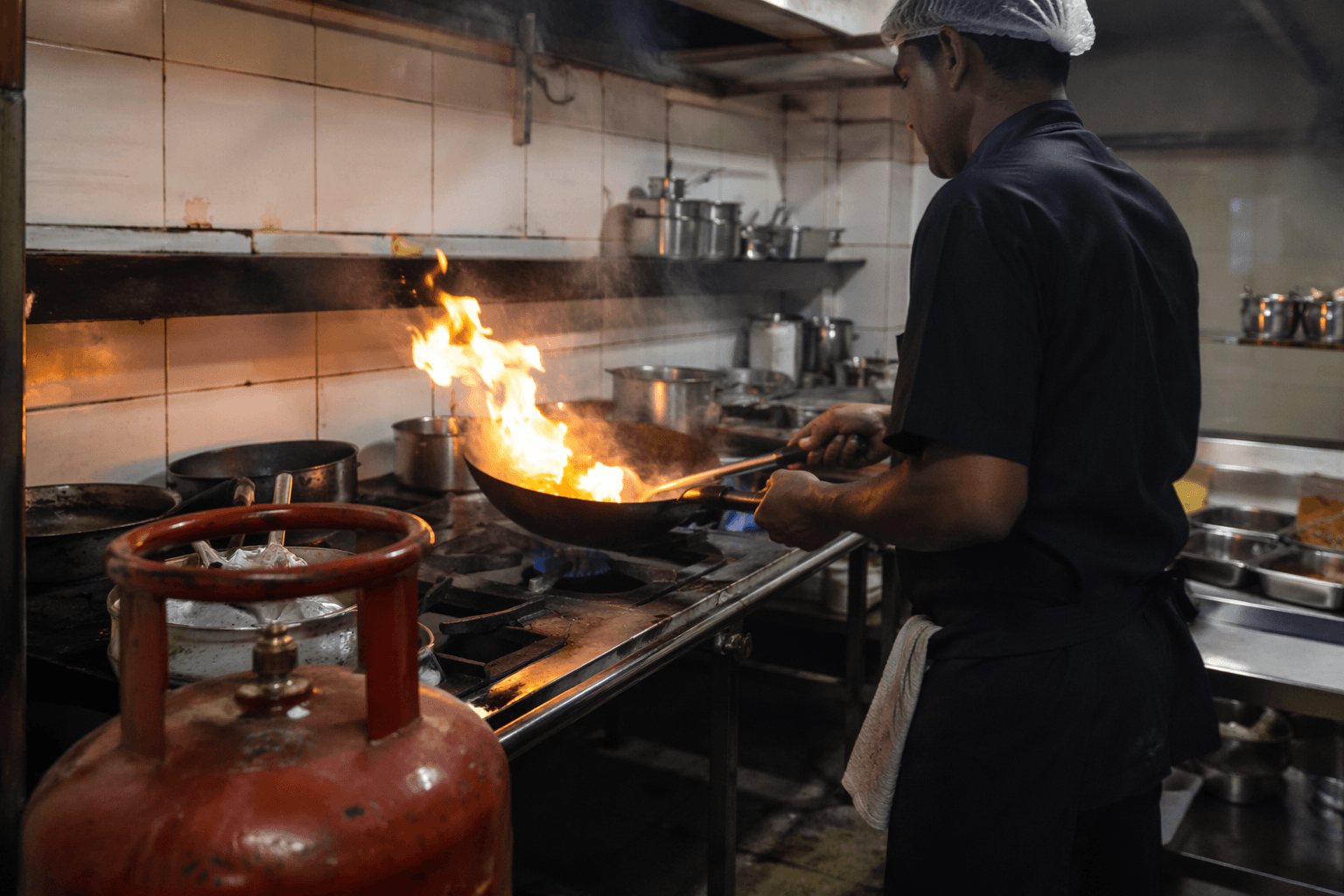
Fast-casual outperforms as diners seek value, Q1 traffic trends diverge
Fast casual is still winning traffic, but the value test is tightening as diners trade down to grocers, clubs, and cheaper meal options.
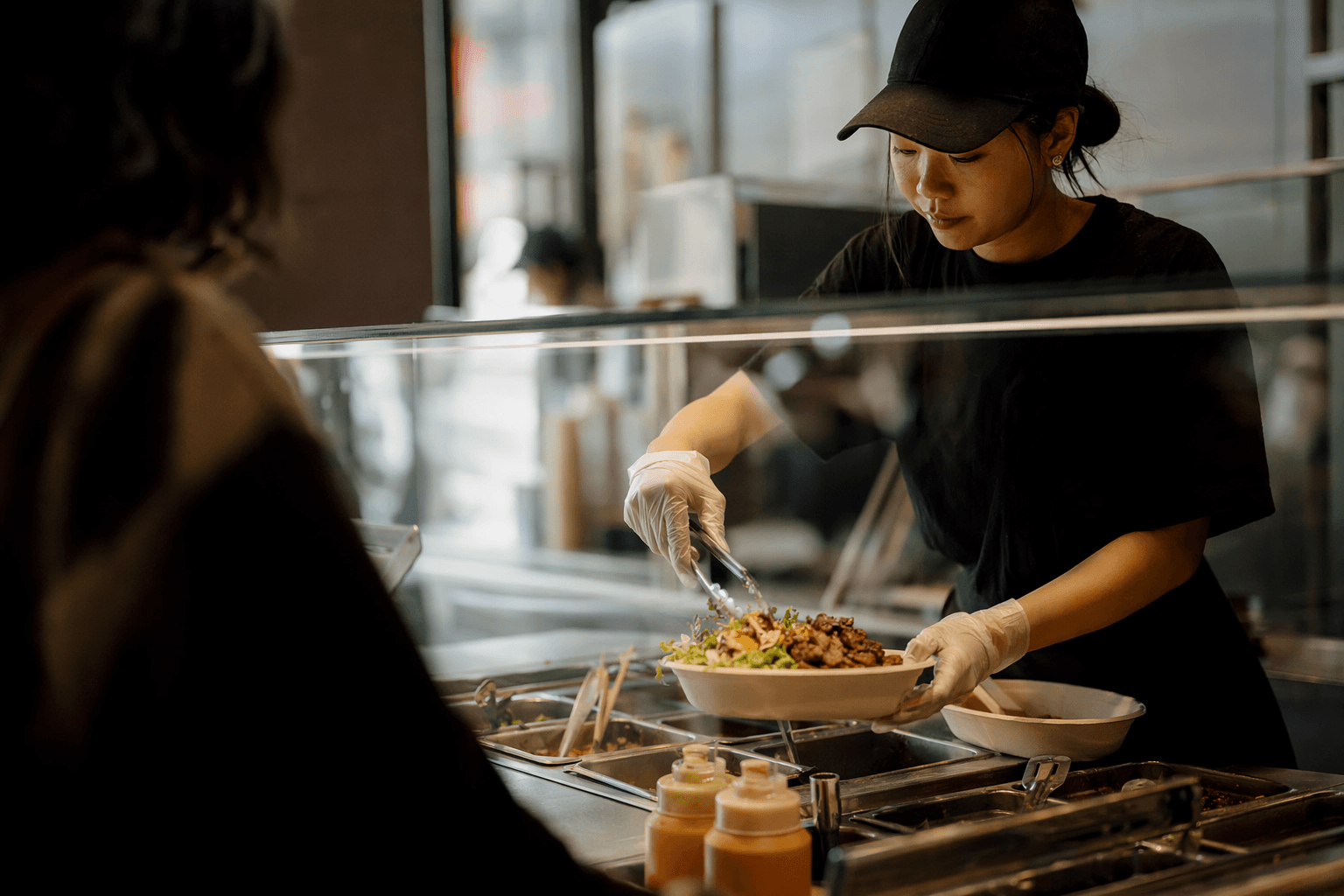
Fast casual’s value pitch is still working, but it is working under pressure
The clearest message from first-quarter traffic is not that diners stopped spending. It is that they are becoming choosier about where every lunch tab goes. Placer.ai said fast casual visits rose 3.1% year over year in Q1 2026, while full-service restaurant visits fell 1.4% and QSR traffic was basically flat, a split that says more about value perception than simple appetite.
For workers and managers on the floor, that difference matters. A guest who still believes a bowl, sandwich, or burrito is worth the ticket will keep coming back, but only if the meal feels like quality and convenience at a justifiable cost. Once that equation slips, the same diner can drift to a grocery deli, a warehouse club, or a cheaper limited-service chain without much hesitation.
Why fast casual is still ahead
Placer.ai’s read is that fast casual’s edge comes from value beyond price. That means a restaurant does not have to be the cheapest option to win, but it does have to feel like the smartest one. In practical terms, that helps brands that can deliver consistency, customization, and speed without making guests feel like they are being squeezed for every extra dollar.
That dynamic helps explain why the segment outperformed even as the broader dining market remained uneven. Placer.ai said February showed renewed momentum across segments before macro headwinds continued to shape behavior, and it also said weekday traffic is becoming more critical. For restaurants, that means the midweek lunch rush is carrying more weight than the old assumption that weekends alone will keep the books healthy.
The traffic picture is split by format
QSR traffic ended the quarter essentially flat, which is not a collapse but is not much of a growth story either. Full-service visits were weaker, down 1.4%, a sign that higher-cost dining occasions are under more pressure as consumers think harder about where to spend. The contrast is important because it shows that value is not a slogan right now, it is the filter diners are using to decide whether to walk in.
That filter is also why generic discounting is losing its force. R.J. Hottovy has warned that the post-pandemic “rising tide” era is over and that broad price cuts no longer guarantee traffic. Guests are not just hunting for the cheapest menu board anymore. They want a clearer payoff: better quality, better convenience, or a more satisfying experience on premise.
The brands that helped carry the quarter
Placer.ai’s brand-level analysis showed that some of the largest chains are still getting it right. Average visits per location at Yum! Brands rose 3.0% year over year in Q1 2026, while Restaurant Brands International posted a 0.5% gain. Those are not explosive numbers, but they matter because they show traffic is still available for chains that know how to hold value even as pricing gets tougher.
At Yum!, Taco Bell was the clear growth engine, and Habit Burger Grill also performed well. At RBI, Burger King and Firehouse Subs were the bright spots. Those results reinforce a familiar lesson for operators: scale alone does not create traffic, but the brands with a clear everyday value story are still giving guests a reason to come in.
For restaurant workers, these numbers usually show up in the day-to-day rhythm of a shift. A chain with stronger visits gets steadier lunch surges, fewer dead periods, and a better shot at keeping staffing efficient. A weaker one can see the opposite, with labor stretched across slower hours and managers trying to make the schedule fit a traffic pattern that no longer cooperates.
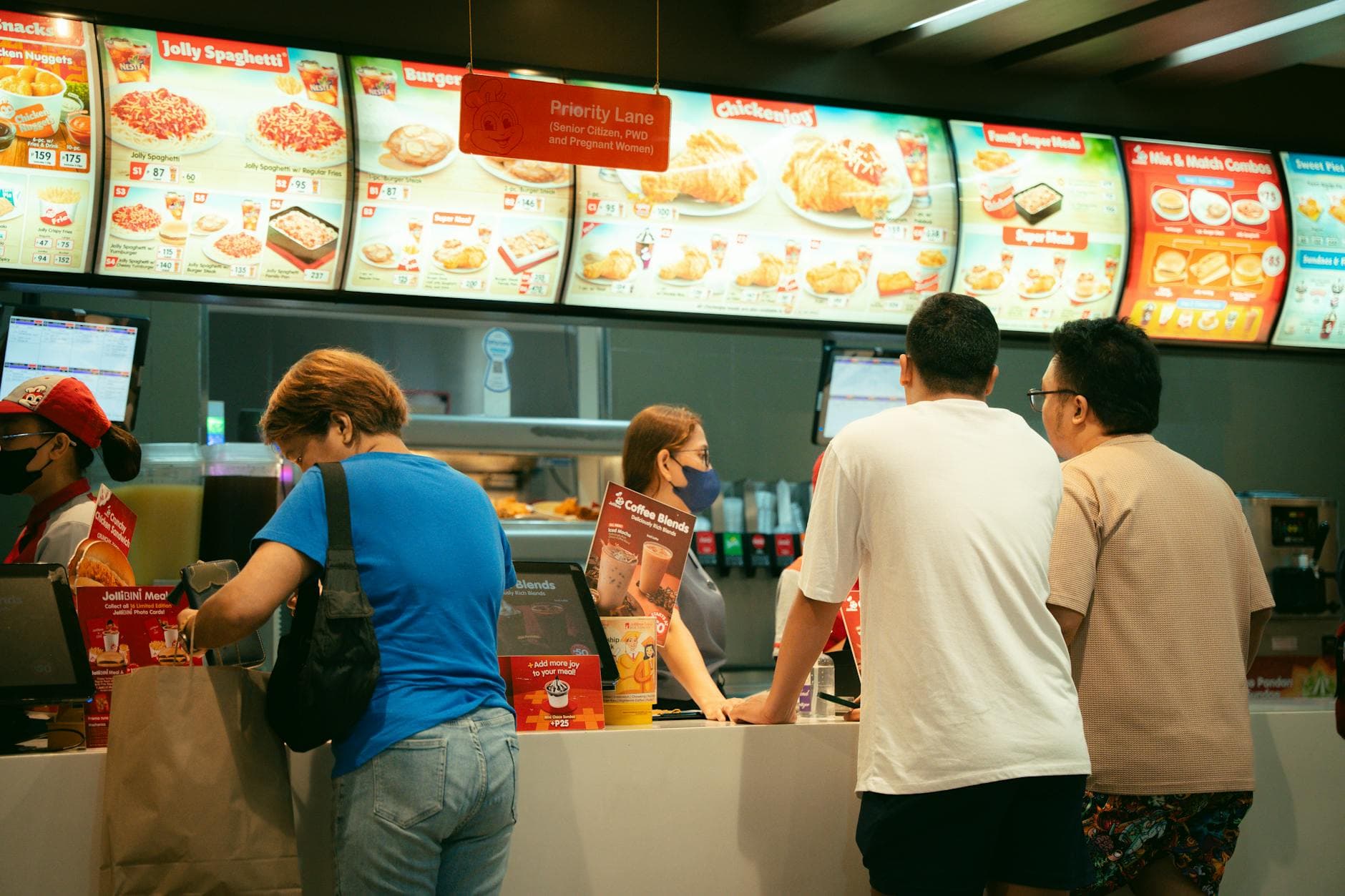
The new competition is not just another restaurant
Hottovy’s warning goes well beyond restaurant rivals. Fast-casual and QSR chains are losing traffic to value grocers such as Aldi and Trader Joe’s, and to warehouse and convenience-heavy players including Costco and Sam’s Club. He also pointed to channels like Wawa and Buc-ee’s, which have become serious food stops, not just fuel or pantry runs.
That matters because the customer is now comparing a restaurant meal with a different kind of purchase decision. A family can leave a club store with food for multiple meals, while a commuter can grab something from a grocer or travel stop and feel like they got more for the money. Once that comparison starts, restaurants have to defend their price with more than habit.
Why diners are pushing back
The consumer data matches the traffic data. Circana found U.S. fast-casual traffic rose 3% in 2025, while Placer.ai reported 1.9% growth, showing the category is still expanding but not uniformly. Datassential found nine out of 10 consumers visited a fast-casual restaurant in the past six months, which is a strong reminder that this is still a deeply relevant part of the dining market.
At the same time, nearly half of consumers who reduced fast-casual visits said higher costs were the reason. That is the part operators cannot ignore. A higher-income slice of the market is still leaning in, with one in four higher-income diners saying they visited more frequently and spent more, but that only sharpens the divide between customers who still see value and those who no longer do.
Chipotle shows the balance between pricing and traffic
Chipotle’s latest quarter is a useful case study in how the segment is functioning. The company reported Q1 2026 revenue of $3.09 billion, up 7.4%, while comparable restaurant sales rose just 0.5%. Transactions increased 60 basis points, but check fell about 10 basis points, which suggests the brand was able to keep guests coming in even as average spend eased slightly.
That mix matters because it shows how pricing and traffic can offset each other. A restaurant can still post growth if it protects visits, even if guests trim back a little on the check. But if higher prices start to bite traffic at the same time, the math gets far less forgiving.
What restaurant teams should watch next
The next phase of this market will be less about blunt price increases and more about whether guests think the meal still earns its spot in the budget. Operators that lean only on promotions may get a short-lived lift, but the traffic data suggests diners are now comparing every visit with other food channels that feel more efficient or more generous.
The chains that keep winning will be the ones that can make the bill feel justified without making the guest feel cornered. In a market where weekday traffic matters more, grocery aisles compete with lunch counters, and value is measured against the whole shopping trip, fast casual is still ahead. The question is how long it can keep charging more before the value story starts to crack.
This article was produced by Prism’s automated news system from verified source data, official records, and press releases, then run through automated quality and moderation checks before publishing. The system is built and supervised by the people who set the standards it runs under. Read our full AI policy.
Did this article answer your question?