Firehouse Subs worker hospitalized after boiling water attack in Monroe, Georgia
A Firehouse Subs shift on W Spring Street turned violent when boiling water was poured on a co-worker, leaving her with first-degree burns and a hospital trip.
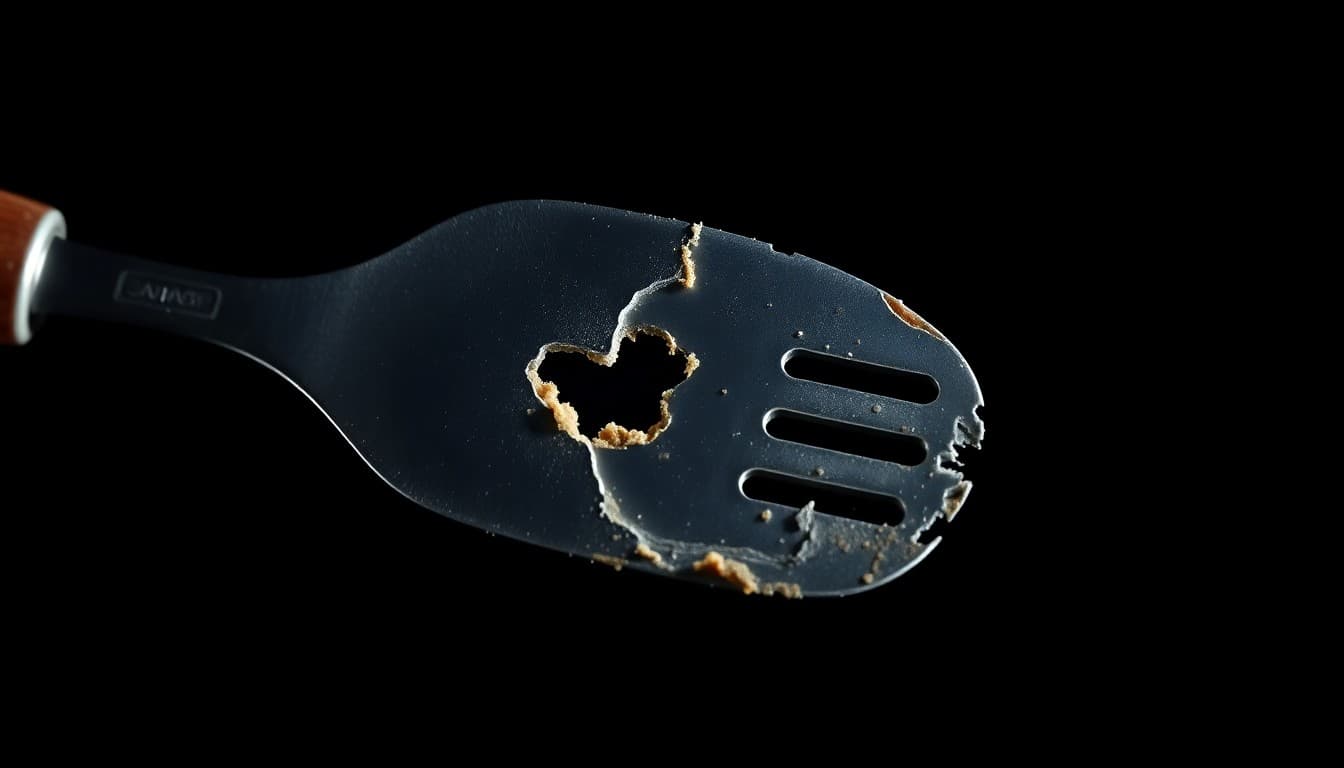
A routine shift at a Firehouse Subs on W Spring Street in Monroe, Georgia, ended with one worker in the hospital after police said a male employee poured boiling water down the back of a female co-worker.
The incident happened April 7 and left the victim with first-degree burns, according to police. She was taken to a local hospital for treatment. The alleged assault escalated fast enough that Monroe police arrested the worker, turning a back-of-house dispute into a workplace violence case with real medical consequences.
Police did not release the suspect’s name, and investigators were still weighing whether additional charges would be filed. That leaves an open question at the center of a lot of restaurant safety failures: what happened in the room before a pot of boiling water became a weapon, and whether anyone had the staffing, supervision, or training to stop it sooner.
For restaurant workers, the danger is obvious. Kitchens compress people, heat, sharp tools, and pressure into a few square feet, and the line can turn volatile when tempers flare. The Occupational Safety and Health Administration says kitchen equipment in food service creates burn hazards, including from hot surfaces, and its workplace-violence guidance urges employers to assess risks and put protective measures in place before a confrontation becomes an injury.
That matters in an industry that employs nearly 9.5 million workers in the United States, according to the National Institute for Occupational Safety and Health. NIOSH lists heat burns, workplace violence, and occupational stress among the major hazards in food service, a combination that fits the realities of fast-food prep lines, where employees work shoulder to shoulder under time pressure and often with little room to cool off.
The reported detail that the attack followed laughter after the worker burned himself only sharpens the warning. In a cramped kitchen, a moment of embarrassment, anger, or retaliation can turn into a serious injury in seconds. That is why conflict management is not a soft skill in restaurants. It is part of the job of keeping people safe.
Georgia law also gives employers a tool if a workplace becomes threatening. O.C.G.A. § 34-1-7 allows employers to seek restraining orders to protect employees from potential workplace violence, a reminder that the response to this kind of incident does not have to start after someone is already burned.
The Monroe case shows how quickly an ordinary restaurant shift can turn into an emergency when hot equipment, close quarters, and unresolved conflict meet on the line.
This article was produced by Prism’s automated news system from verified source data, official records, and press releases, then run through automated quality and moderation checks before publishing. The system is built and supervised by the people who set the standards it runs under. Read our full AI policy.
Did this article answer your question?