FTC targets hidden fees in restaurant delivery app pricing
The FTC moved to curb hidden delivery fees that can make an app meal cost far more at checkout, forcing restaurants to rethink menu pricing and labor.

The Federal Trade Commission’s move against hidden delivery fees could hit restaurant economics where it hurts most: the final bill. A meal that looks affordable on DoorDash, Uber Eats or Grubhub can swell by checkout, and the agency said that kind of pricing can mislead diners while putting restaurants in the middle of the markup fight.
The proposal, issued April 17, 2026, took aim at two pressure points that restaurant operators know well. First, some restaurants raise their app prices to cover the commissions they pay to third-party delivery platforms. Second, the platforms often layer on fees that are not fully visible until the last step of checkout. The agency is accepting public comment through May 18.
For operators, that is not just a consumer-protection story. It is a menu-strategy story, a labor story and a channel-mix story. When commissions climb or fee structures get harder to explain, restaurants often respond by changing app pricing, trimming promotion budgets, steering guests toward pickup, or reducing the labor they put behind less profitable delivery channels. In practice, that can change what cooks are asked to prep, how expo teams manage the rush, and how hosts and managers handle orders that come in through the front door versus the app.
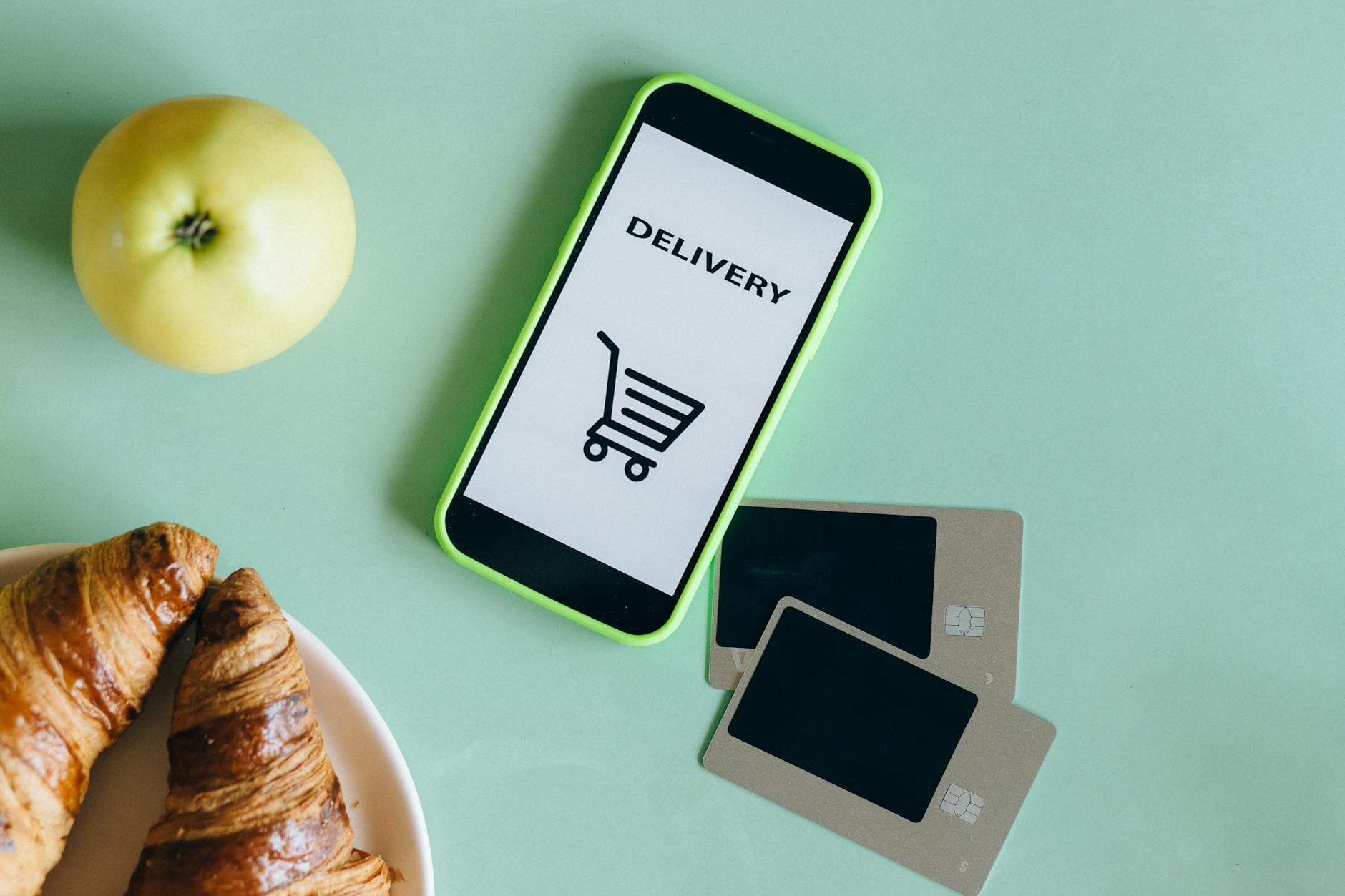
The pressure lands differently depending on the restaurant. A location that leans hard on third-party delivery may see demand soften if the total price jumps too far at checkout. Another may use clearer fee disclosure to better explain why an app order costs more than an in-house pickup order, giving managers a cleaner way to guide traffic toward the channel that actually makes money. Either way, delivery pricing now shapes more than customer convenience. It affects labor hours, prep volume and how hard front-of-house and back-of-house teams get pushed during peak periods.
That is why the FTC’s proposal matters beyond the apps themselves. If hidden or junk-style fees are curbed, customers may be the first to notice the lower-friction checkout. Restaurants could benefit if more transparent pricing makes it easier to defend their menu math. Delivery platforms, meanwhile, may have to redesign how they present fees to protect demand. For restaurants already squeezed by commissions, burnout and thin margins, the real test is whether cleaner pricing helps the industry sell more food without burying the people making it.
This article was produced by Prism’s automated news system from verified source data, official records, and press releases, then run through automated quality and moderation checks before publishing. The system is built and supervised by the people who set the standards it runs under. Read our full AI policy.
Did this article answer your question?