Goop Kitchen expands to New York with delivery-only ghost kitchens
Gwyneth Paltrow’s Goop Kitchen will open its first New York ghost kitchen in Midtown West, testing whether delivery-only brands can outcompete sit-down restaurants.
Gwyneth Paltrow’s Goop Kitchen says it can generate $20,000 a day without a dining room, and that makes its New York City arrival a test case for how far delivery-only restaurants can go before the economics crack. The brand will open its first city location in Midtown West on Monday, April 20, with additional Manhattan and Brooklyn sites planned later in 2026.
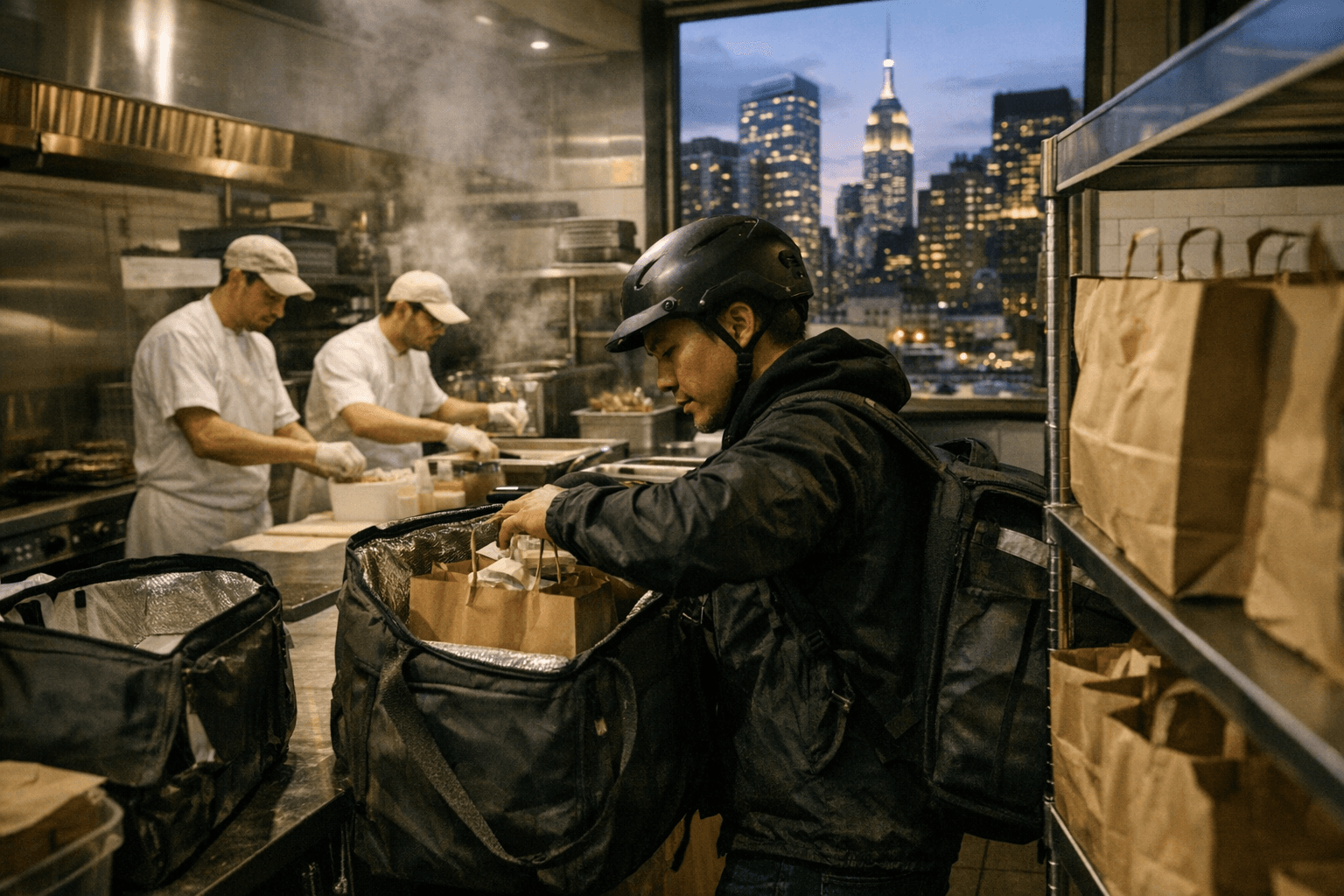
Goop Kitchen launched in Los Angeles in March 2021 as a delivery-only concept built around bowls, salads, handhelds, pizza and pasta, chicken and mains, soups and sides. Goop says the menu is gluten-free and made without preservatives and refined sugars, and the company says nearly all locations are designed for pickup and delivery rather than traditional dine-in service. For workers, that model usually means fewer hosts, fewer servers and no full dining room to staff, while kitchen teams carry more of the load on prep, packing and dispatch.
The New York rollout is being framed as Goop Kitchen’s first expansion outside California, and it is broader than a single storefront. Company materials point to additional Manhattan locations in Flatiron and on the Upper East Side, along with Brooklyn. The setup is a delivery-and-takeout launch, not a full-service restaurant, which is exactly why the model has become so attractive to brands trying to enter expensive markets like New York without the capital costs of a large front-of-house buildout.
That advantage has limits. Restaurant Business has reported that many ghost-kitchen operators struggled with fees and overhead, even as some chains and emerging brands kept using delivery-only kitchens to open in new markets more cheaply. The math can look better on paper than in practice, especially when app commissions, rent, labor and packaging start piling up. For independent operators in New York, that matters because ghost kitchens can widen the field of competition without adding the same number of neighborhood jobs or the same kind of street-level presence that a sit-down restaurant brings.
Goop is also selling the model as a sustainability play. The company says a single Goop Kitchen restaurant could save more than 25,000 pounds of plastic and more than 35,000 pounds of CO2 in a year. In a city where delivery is already baked into everyday dining, the launch will show whether a wellness brand built on pickup and app orders can carve out room against established neighborhood restaurants, while adding pressure to an industry that is already short on margin and long on burnout.
Know something we missed? Have a correction or additional information?
Submit a Tip