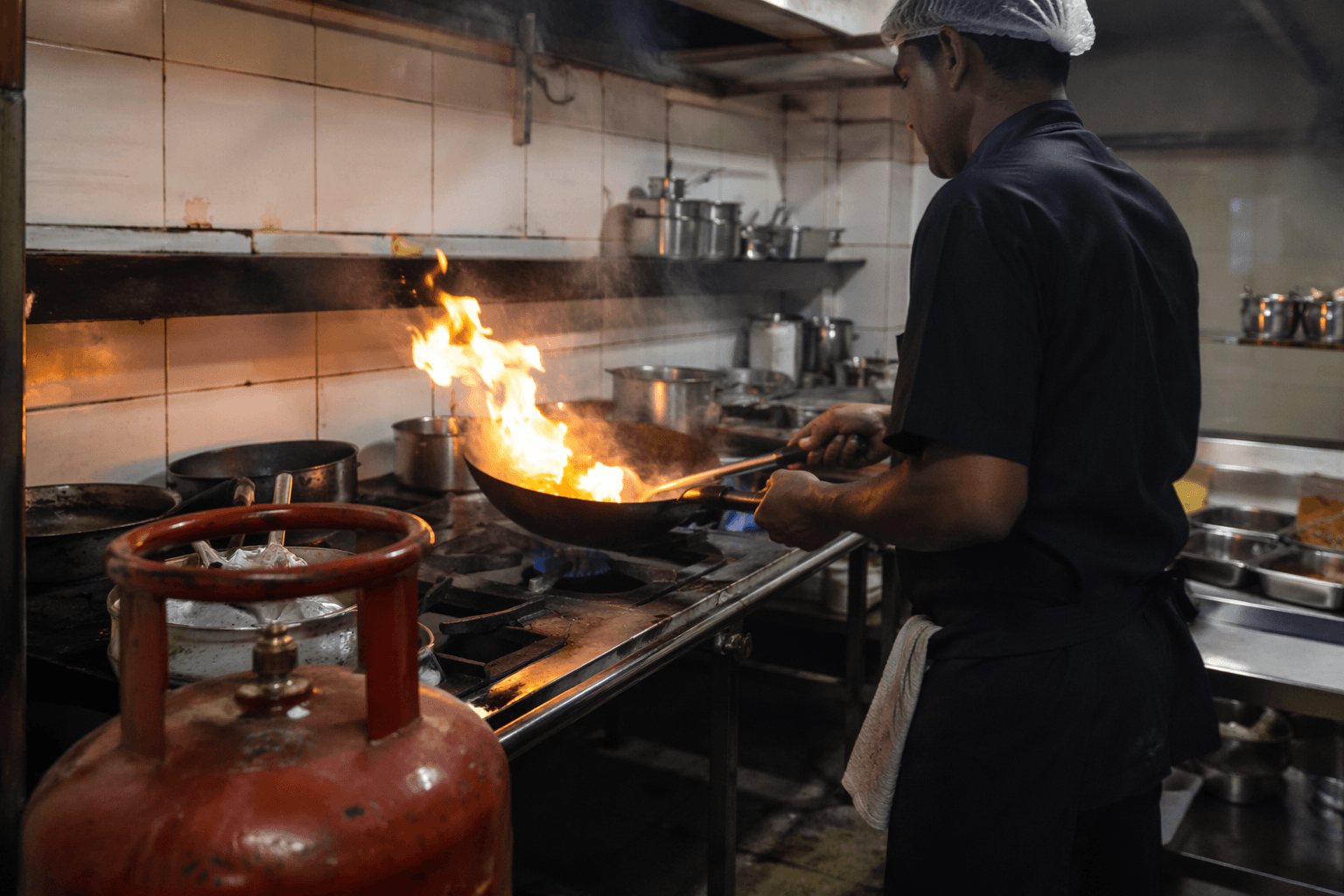
Japan restaurant chains scramble as visa freeze deepens labor shortage
Japan froze new restaurant visas after foreign workers in the scheme neared 46,000, putting shorter hours and temporary closures on the table.
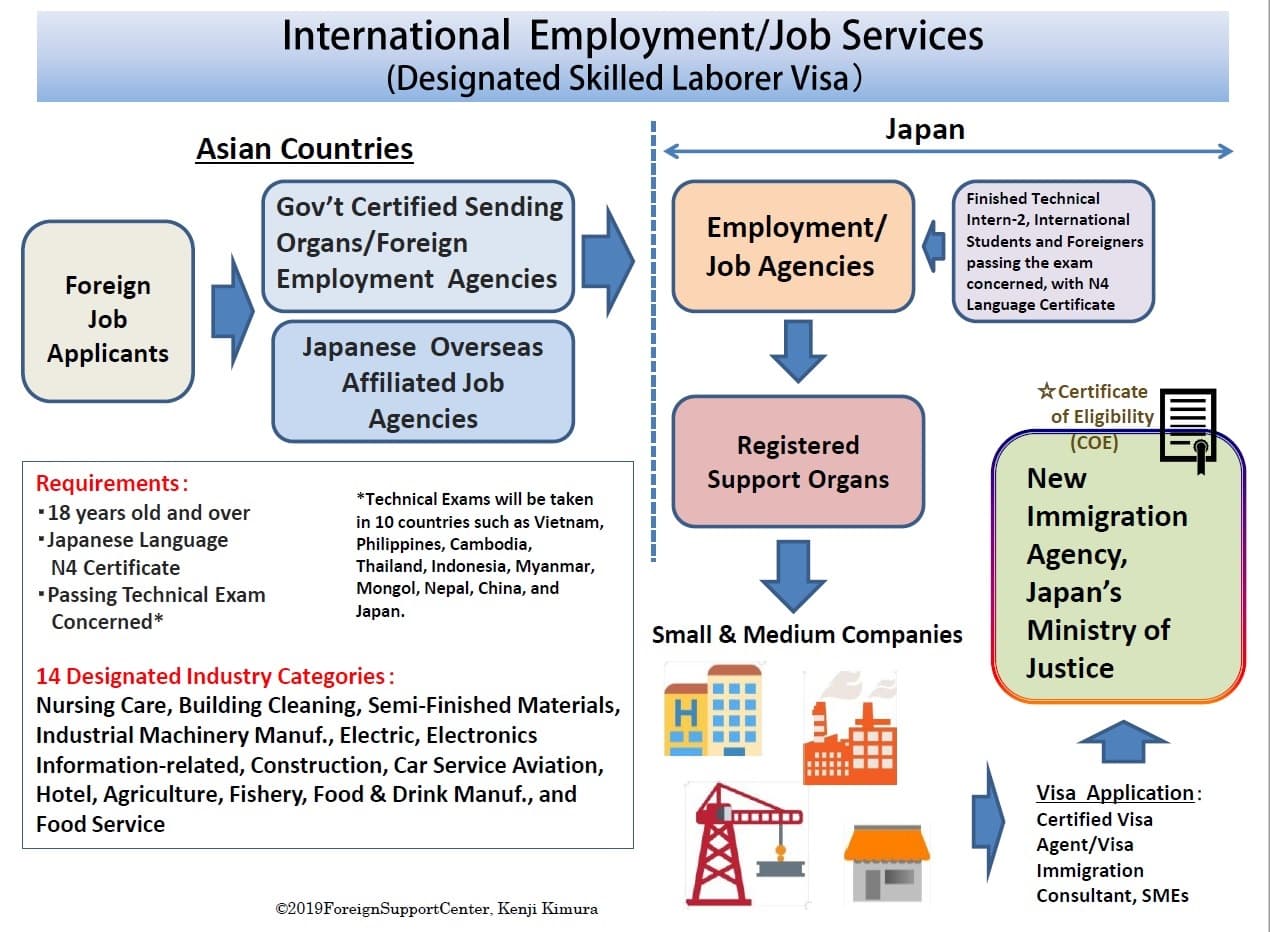
Japan’s restaurant labor pipeline hit a hard stop just as the sector was nearing its foreign-worker ceiling. By the end of February 2026, about 46,000 people were already employed under the food-service scheme, and on April 13 authorities stopped issuing new Certificates of Eligibility for restaurant-sector workers because the category was expected to hit its 50,000-worker cap around May.
That matters because the system was built to keep kitchens, dining rooms and delivery operations staffed in a country where labor shortages have been biting for years. The Specified Skilled Worker program launched in 2019 to address those shortages, and the government’s broader plan was to accept more than 800,000 foreign workers under Specified Skilled Worker (i) status by the end of March 2029. The restaurant category was the first to run into the ceiling. Applications filed before April 13 are still moving through the process, but new applications received after that date are generally being rejected, with some in-country status-change cases handled separately.
For operators, the freeze threatens the easiest lever they had left: filling shifts with overseas labor. NHK has reported that foreign workers are indispensable to Japan’s food and drink industry, and the concrete warning from the Japan Food Service Association is that some firms may have to shorten hours or temporarily close if they cannot replace missing staff. That is the first break point in a business built on tight labor scheduling. If a lunch rush or late-night shift cannot be covered, unit economics start to crack fast.
Chains were already planning around continued access to this labor pool. Skylark Holdings had intended to move about 30 foreign students from part-time work into full-time jobs this summer. Yudetaro System had been preparing to upgrade foreign part-timers into quasi-permanent positions in April. Now both plans are in doubt, leaving managers to reshuffle existing staff rather than add new ones.
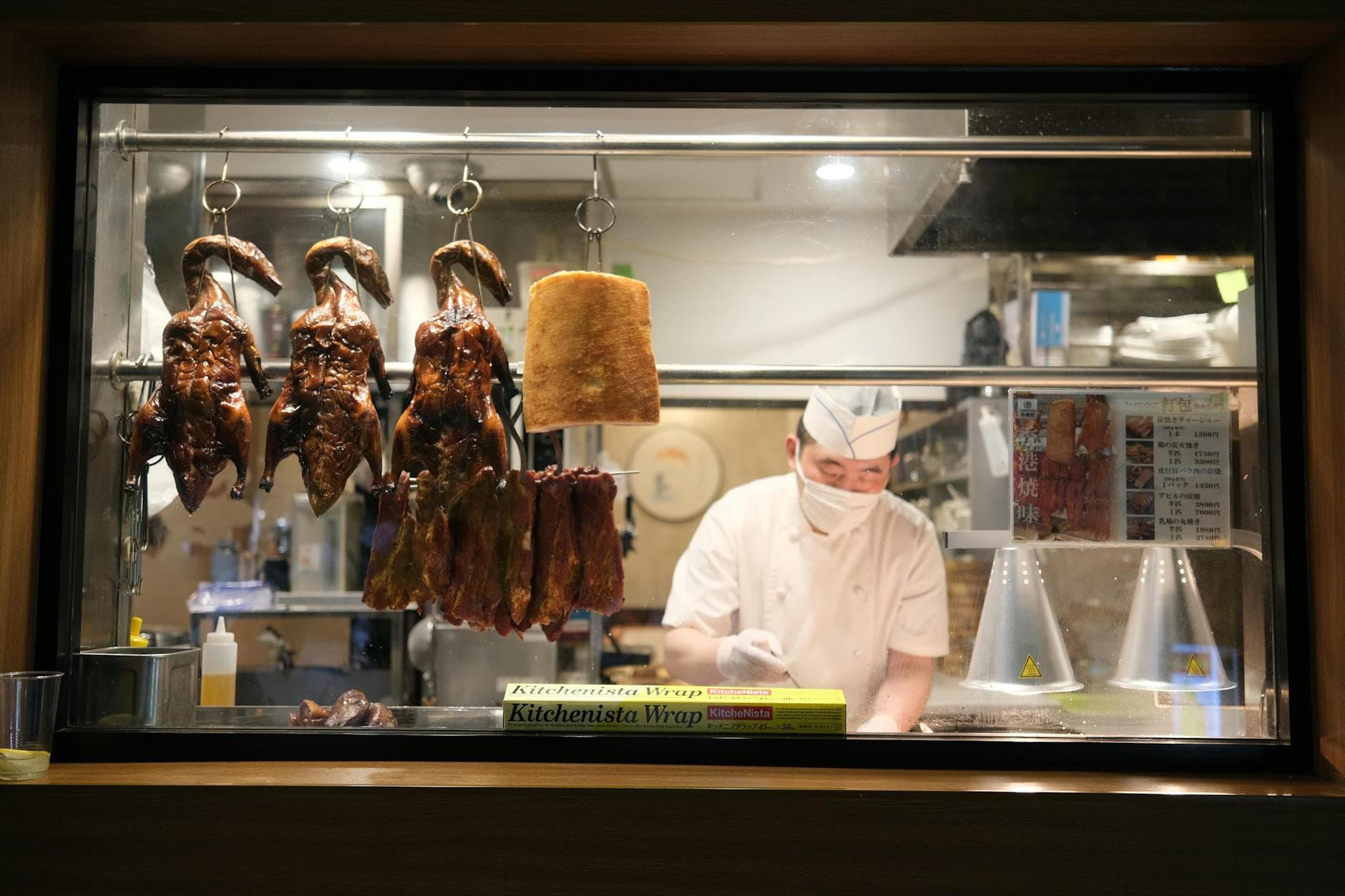
The strain is visible in Tokyo too. CNA reported that Nawab, a five-outlet Indian and Pakistani chain, had all 20 staff members from South Asia, a reminder of how deeply some restaurants now depend on overseas hiring to keep the doors open. Labor expert Shohei Sugita warned the pressure could spread beyond restaurant floors into meal services at hospitals and other facilities, while also pushing foreign workers toward metropolitan chains that can offer better pay than rural operators.
The restaurant industry will ask the government to raise the cap. Until then, the sector’s stopgaps look less like replacements than triage, and that leaves hours, service and even whole units exposed.
This article was produced by Prism’s automated news system from verified source data, official records, and press releases, then run through automated quality and moderation checks before publishing. The system is built and supervised by the people who set the standards it runs under. Read our full AI policy.
Did this article answer your question?