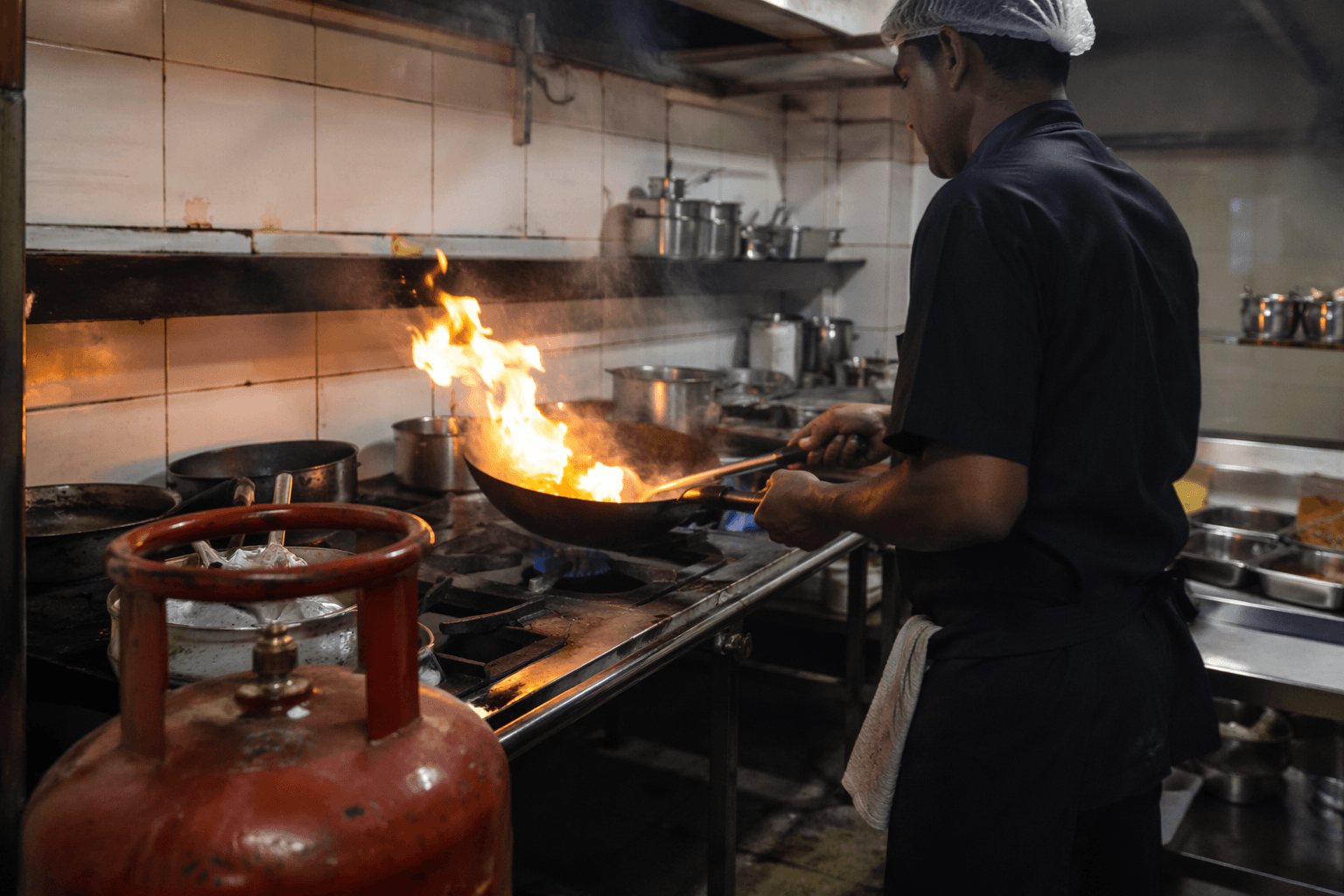
Kowloon House workers win wage hike, service charge payments after strike
After six days on strike, Kowloon House workers won a P20 daily raise and staggered service-charge payouts, forcing a Manila restaurant to pay what staff said was owed.
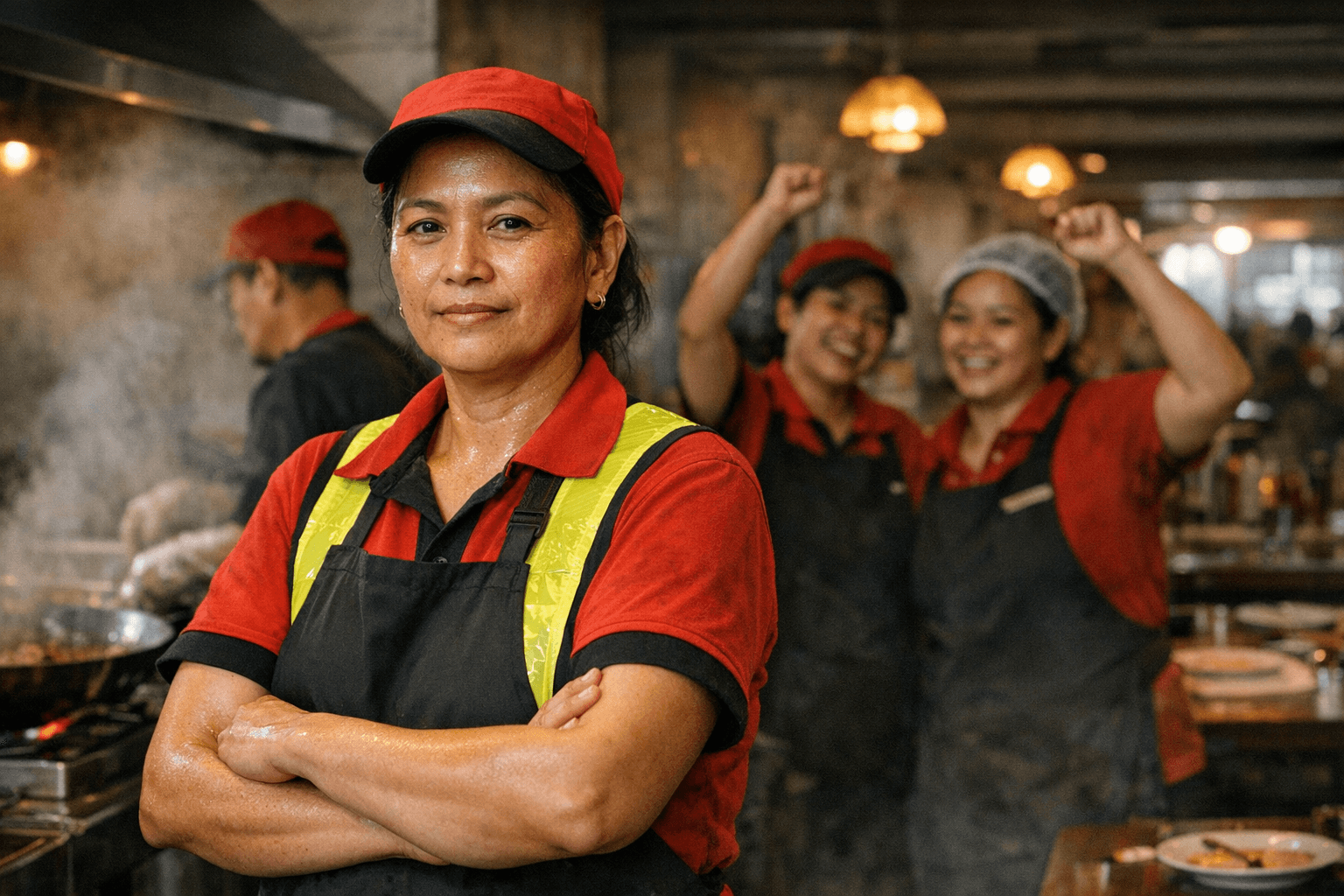
The six-day strike at Kowloon House West Avenue ended with a pay deal that went beyond the daily wage. Workers won a P20 increase in base pay and a staggered payout of service charges collected by the company, a result that turned a payroll dispute into a public test of how much leverage restaurant workers can still build when money they believe is owed to them does not come through.
The settlement came after talks on April 20 with Katipunan Food Services Inc., the company operating the Manila dimsum restaurant. For the union, the deal marked a historic win. Workers had originally demanded a P25-a-day increase, saying earlier wage-order gains and collective-bargaining gains had not been implemented. That detail matters because the strike was not only about asking for more. It was also about getting management to honor increases workers said should already have been in their pay.
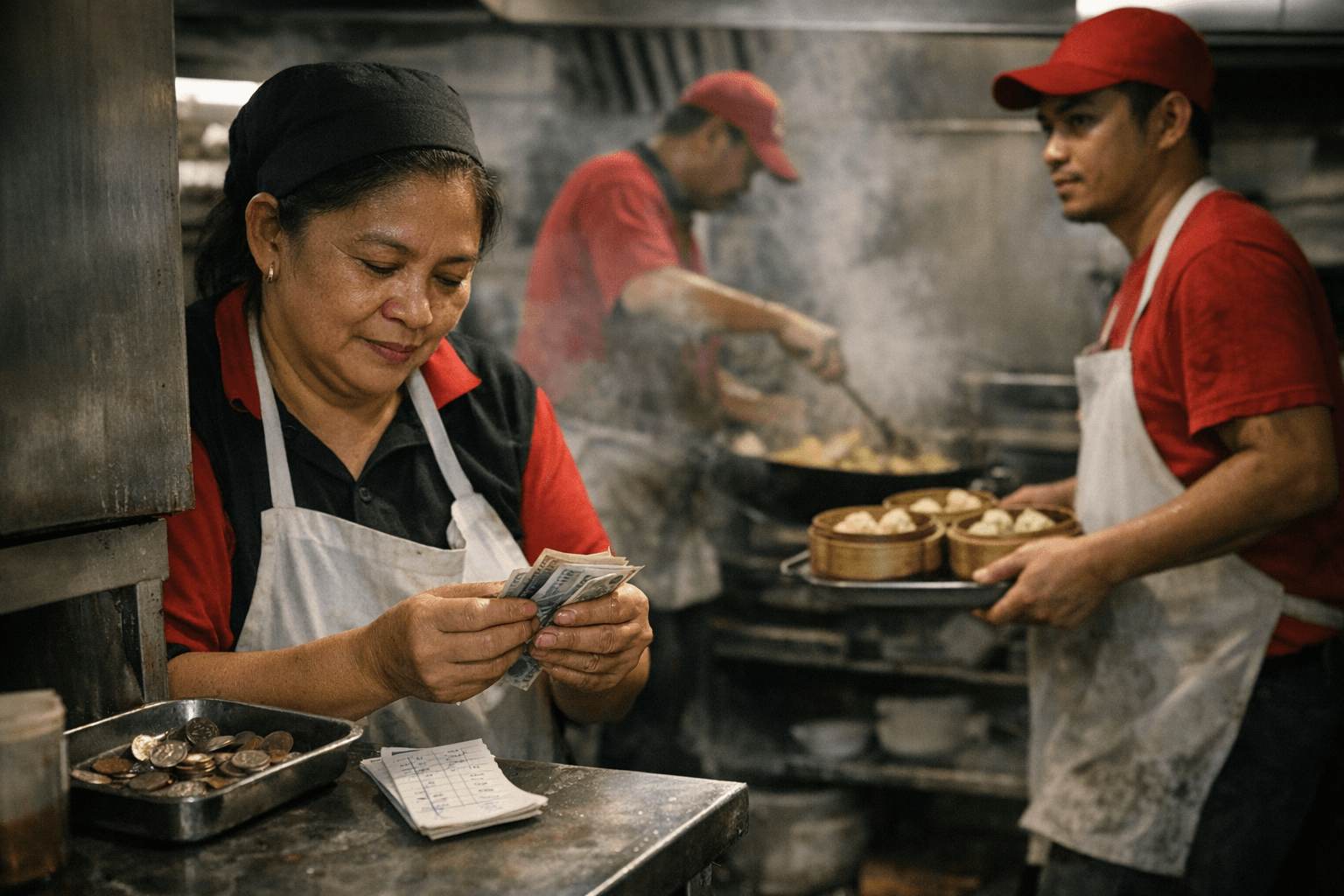
The service-charge issue was just as central. In restaurants, that money can sit in a gray zone between what customers think they are leaving for staff and what employers control at the back end. At Kowloon House, the dispute showed how quickly resentment grows when workers cannot see a clear path from the charge collected at the register to the people running food, bussing tables, and keeping the dining room moving. By agreeing to begin paying the workers’ share in installments, management acknowledged that the money could no longer stay frozen in the background of the operation.
For restaurant operators, the message is blunt: compensation problems do not stay inside the payroll office. Once workers believe wage-order gains are being ignored or service charges are being held too long, the conflict can spill onto the floor, interrupt service, and force a public reckoning. A six-day strike is a major disruption for any restaurant, especially one built on constant turnover and fast service. It also shows that even smaller workforces can create real pressure when they stay organized and keep the dispute focused on pay already promised.
Kowloon House workers left with more than a modest wage hike. They forced a conversation about transparency, timing, and trust in a business where staff often depend on every peso of earned income. For managers, the lesson is clear: if a restaurant collects service charges, the system for distributing them cannot be vague, delayed, or left to employee suspicion for long.
This article was produced by Prism’s automated news system from verified source data, official records, and press releases, then run through automated quality and moderation checks before publishing. The system is built and supervised by the people who set the standards it runs under. Read our full AI policy.
Did this article answer your question?