LA restaurant owners face surge of disability access lawsuits
A wheelchair user has filed about 1,885 ADA suits in Southern California, and restaurant owners say the $4,000 penalties can make even small fixes feel like a crisis.

A wheelchair user at the center of a new wave of disability-access cases has filed roughly 1,885 lawsuits in Southern California, renewing pressure on Los Angeles restaurant owners who say the system can turn a missing sign, a narrow path or a website glitch into a costly legal scramble.
Anthony Bouyer’s cases have often involved minor accessibility issues, and many have run through Orange County-based Manning Law. For independents working on thin margins, the danger is not just the alleged violation itself. Under California’s Unruh Civil Rights Act, statutory damages start at $4,000 per violation, a number that can force owners to settle quickly rather than pay lawyers to fight. Business lawyers say the math is brutal: a defense can cost more than fixing the problem, especially for neighborhood spots already juggling labor, food and rent.
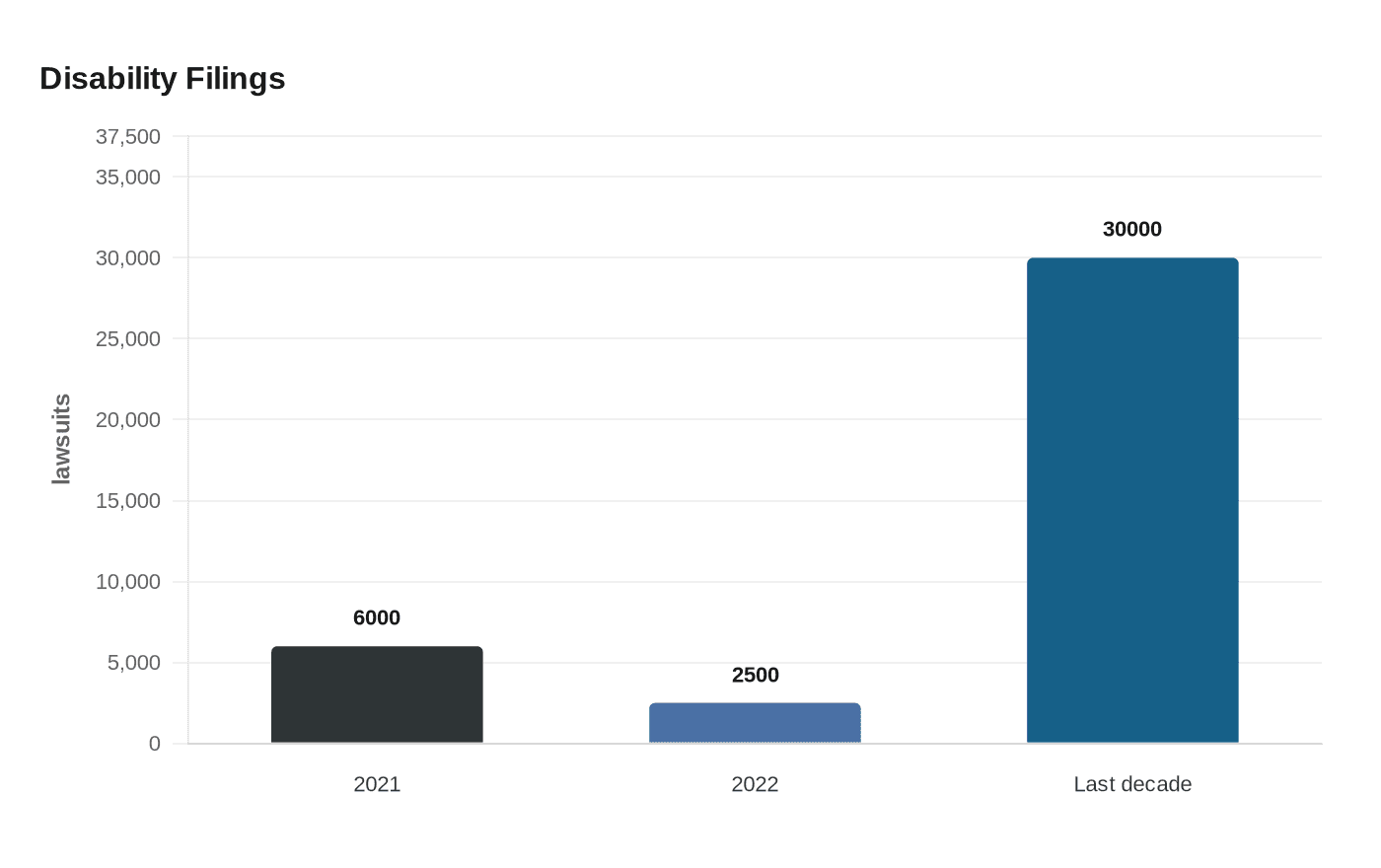
California has more ADA lawsuits than any other state, and the volume is still staggering. KQED and CalMatters reported that the state saw more than 30,000 federal disability-rights lawsuits over the last decade. ABC7 Los Angeles reported that filings peaked in 2021 at nearly 6,000, then fell to about 2,500 in 2022, showing how quickly the pressure can rise and recede without solving the underlying dispute over access.
The fight over whether these cases are necessary enforcement or abusive shakedowns has been playing out for years. Chris Langer, another prolific filer, has brought more than 2,000 disability claims over about a decade. His case began with a September 2017 parking-access dispute behind a San Diego lobster shop, and a 9th U.S. Circuit Court of Appeals panel ruling in that matter raised concerns that it could broaden standing and open the door to even more lawsuits.
That leaves restaurant operators in a familiar bind. On one side are plaintiffs’ lawyers who argue private lawsuits are the main way the Americans with Disabilities Act and related state law get enforced when businesses ignore access problems. On the other are owners who say they are being squeezed over issues they could have fixed had they been given notice first, rather than served with a claim carrying statutory damages and legal fees.
California lawmakers have discussed SB 84, a notice-and-cure proposal that would give small businesses a chance to correct problems before damages claims move forward. But the political resistance has kept reform in limbo, while the same tension keeps hitting the dining room floor: disabled patrons still need real access, and small restaurant operators still need a system that does not make compliance feel like a trap.
This article was produced by Prism’s automated news system from verified source data, official records, and press releases, then run through automated quality and moderation checks before publishing. The system is built and supervised by the people who set the standards it runs under. Read our full AI policy.
Did this article answer your question?