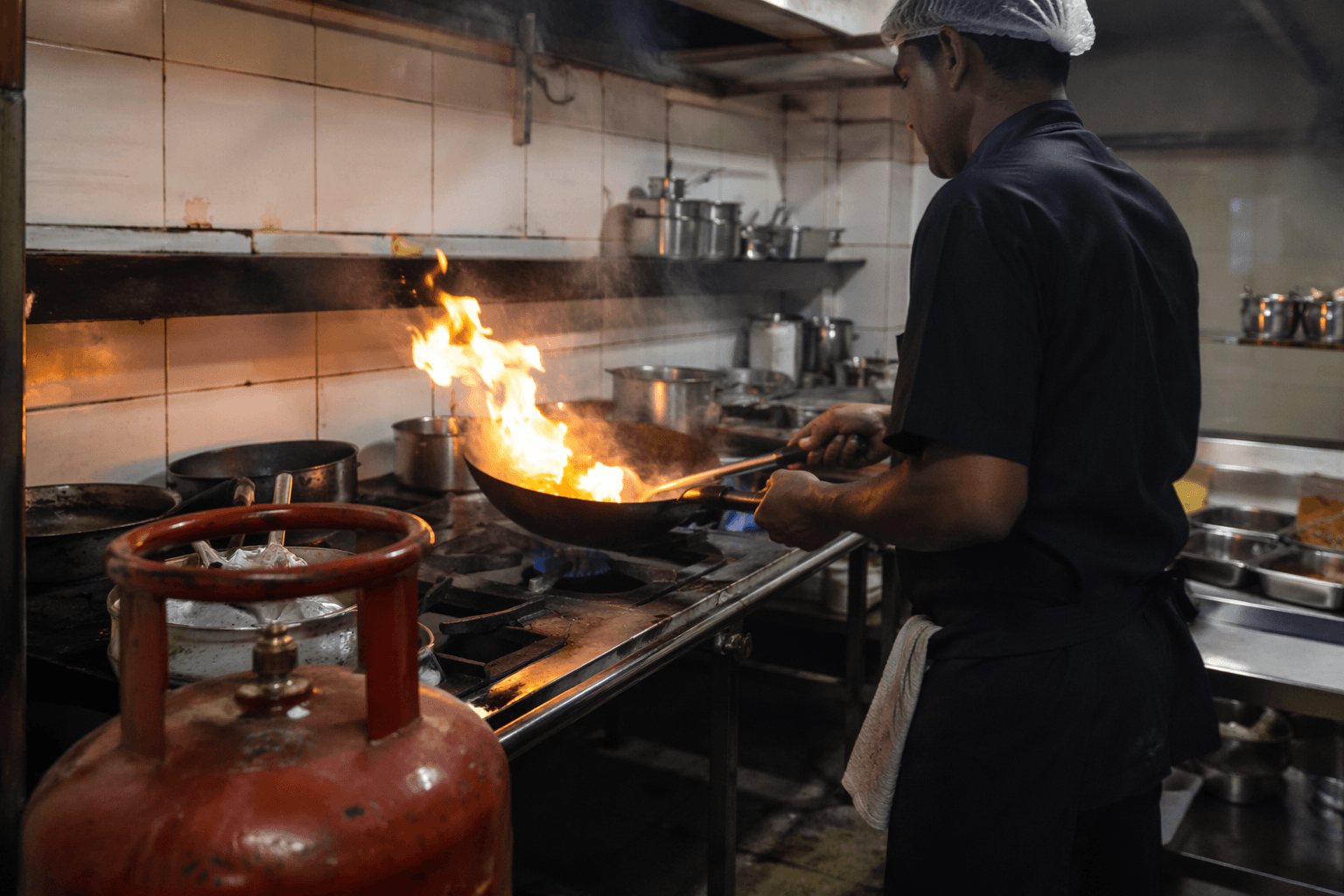
OSHA guide highlights kitchen hazards for young restaurant workers
A fryer splash or wet floor can sideline a new hire fast. OSHA says young workers need day-one training on the kitchen hazards that turn routine shifts into injuries.
The first shift is where the risk shows up
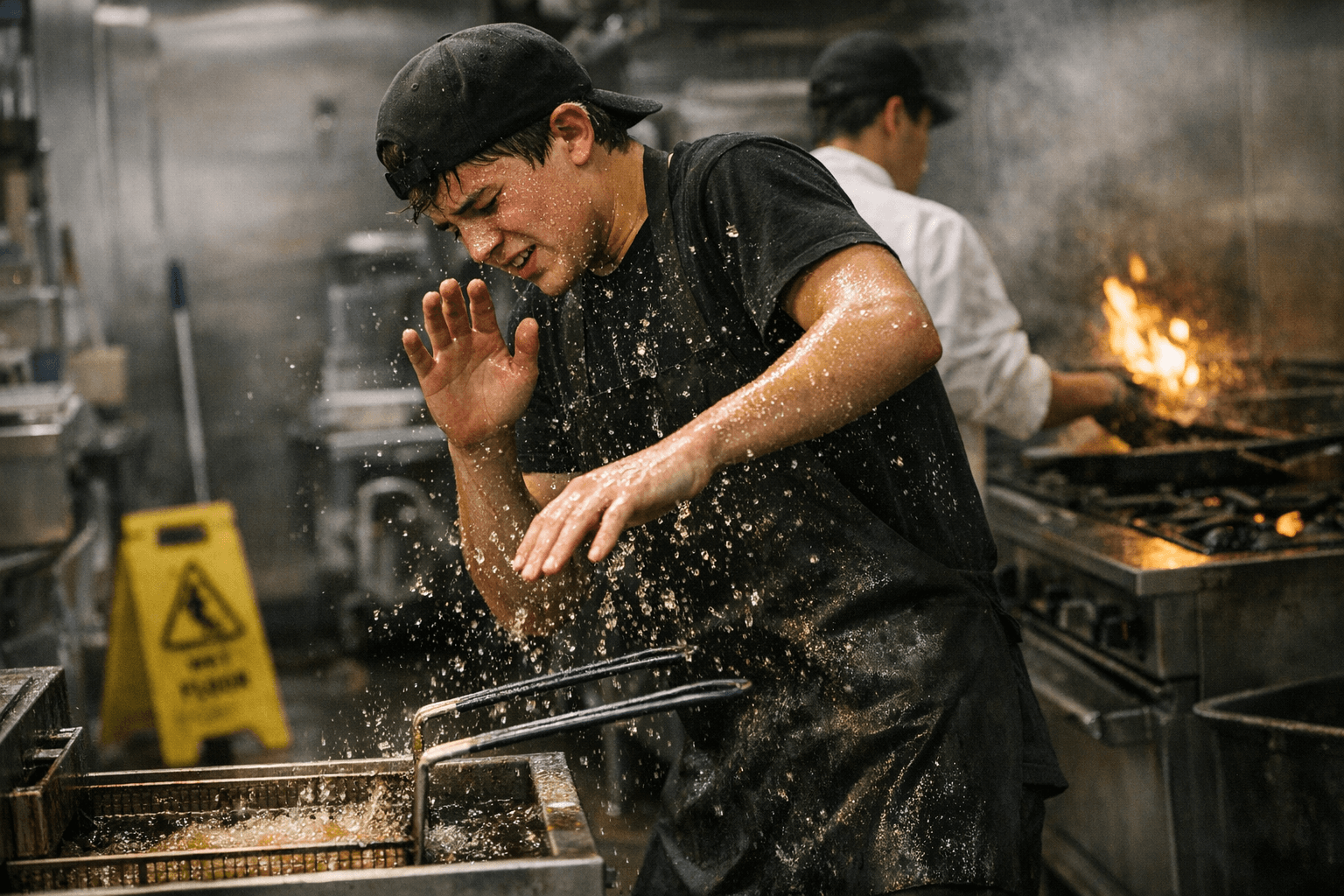
A kitchen can teach a young worker how to move fast, stay organized and handle equipment with confidence. It can also deliver burns, cuts and sprains in a matter of seconds if the station is rushed, cluttered or poorly supervised. OSHA’s cooking-area guidance is useful because it puts the everyday hazards in plain view: deep fat fryers, electrical hazards, fire hazards, heat hazards, slips, trips and falls, and strains and sprains.
That list reads like a normal shift on a hot line, which is exactly why operators should take it seriously. A fryer splash, a loose cord, a wet floor or a careless reach can turn into an injury quickly, especially for someone who has not yet learned the rhythm of a restaurant kitchen. For a young worker, the difference between a clean first week and a preventable injury often comes down to whether someone taught the basics before the ticket pile got heavy.
Why young restaurant workers face more danger
Restaurants and other eating-and-drinking businesses employ 11.6 million people in the United States, and nearly 30 percent are under 20, according to OSHA. That means a large share of the industry is made up of people who are still learning how a kitchen works, often in their first job and often under pressure to keep up with older coworkers who already know the routine. OSHA says young workers suffer a disproportionate share of injuries and fatalities, especially in the first year on the job.
The broader numbers are sobering. In 2017, 22 youths under 18 died from work-related injuries and another 27,070 were sickened or injured, OSHA says. The service industry ranks highest among U.S. industries for injury among workers ages 16 to 19, which is one reason kitchen safety cannot be treated as a general orientation topic. In a restaurant, the risk is not abstract. It is the quick turn from prep to rush, the pan grabbed too fast, or the floor that stayed wet for one ticket too many.
What supervisors need to teach on day one
Day-one training should be concrete, not vague. Young cooks need to hear exactly how to stay out of trouble in the spaces where injuries start: keep floors dry, watch cords, handle hot equipment correctly, and stop when a task is too much to do safely without help. OSHA’s guidance also makes another point that operators sometimes miss: task organization matters, because a disorganized station can increase strain and make slips more likely.
That lesson matters most when the kitchen gets busy and workers start cutting corners to keep up. A new hire should know where hot pans go, how to move around fryers and ovens, and when to ask for a second set of hands instead of forcing a lift or reach. In a restaurant culture that often prizes speed, the safer habit is the one that slows the line for a second now rather than shuts it down after an injury.
The legal limits around younger workers
The federal child labor rules are part of this picture too. The U.S. Department of Labor says the Fair Labor Standards Act generally prohibits youth under 18 from hazardous occupations, and its restaurant fact sheet for restaurants and quick-service establishments addresses those rules directly. A separate fact sheet covers cooking and baking activities under the federal child labor provisions, which is a reminder that not every task in the kitchen is automatically appropriate for a minor.
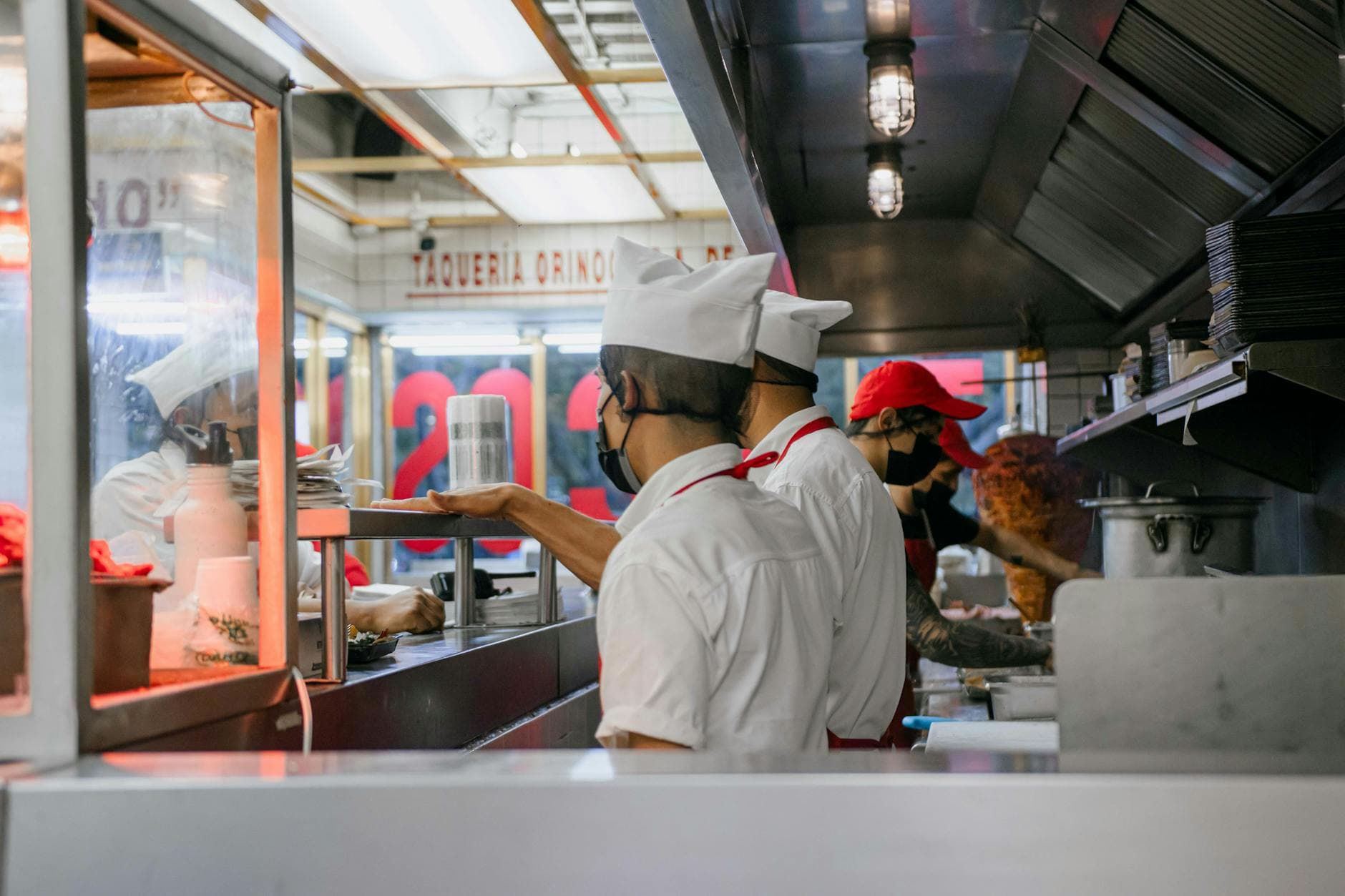
OSHA’s young-worker materials also note that employees under 18 may have limits on the hours they work, the jobs they do and the equipment they use. Employers must provide training in a language workers understand, which is especially important in kitchens where crews may include bilingual or multilingual staff. For managers, that means compliance is not just paperwork. It is making sure a teenager on dish, prep or the line actually understands which tools, machines and shifts are off-limits.
Why fryer safety deserves its own conversation
Few hazards in restaurant work are as well documented as fryer burns. CDC and NIOSH have described restaurant-related burns as a major and preventable source of occupational burn injury, especially among adolescents. The pattern is familiar across kitchens: hot oil, a slick floor, a tipped vessel and a worker who has to react before thinking.
A CDC case report describes a young cook who was seriously burned while cleaning a deep-fat fryer when the fryer tipped and hot oil spilled on him. That kind of chain reaction is exactly why fryer safety, slip prevention and cleanup procedures belong in the same training session. If a cook is moving around hot oil without clear instruction on how to stabilize equipment, protect the floor and control the cleanup, one mistake can turn into both a burn and a fall.
PPE and station setup are part of the fix
OSHA points employers toward personal protective equipment such as gloves, aprons and foot protection for hazards in the restaurant setting. PPE will not solve a bad layout or a rushed line, but it can reduce the damage when things go wrong. In a kitchen where heat, sharp edges and wet floors are part of the day, the right gear should be treated as standard equipment, not an extra.
The bigger lesson for operators is that safety has to be built into the station before the first rush hits. Fryers, ovens and live electrical equipment should never be the first place a new worker learns by trial and error. If a station is organized, the floor stays dry and the worker knows when to stop and ask for help, the kitchen becomes a place to build skills instead of a place where a first job ends with an injury.
What the guide really says about restaurant culture
OSHA’s cooking-area page is not just a warning list. It is part of a broader federal effort to protect inexperienced workers in an industry where young employees are common and the hazards overlap in one crowded room. For restaurant managers, the message is practical: the most ordinary tasks, done too fast and without structure, can become the most expensive mistakes.
That is why the best kitchen safety programs start before the first ticket prints. They teach new workers how to move, where to stand, what equipment to avoid, and when to slow down. In a restaurant, the goal is not just getting through a shift. It is making sure a young worker gets through the first month without learning safety the hard way.
This article was produced by Prism’s automated news system from verified source data, official records, and press releases, then run through automated quality and moderation checks before publishing. The system is built and supervised by the people who set the standards it runs under. Read our full AI policy.
Did this article answer your question?