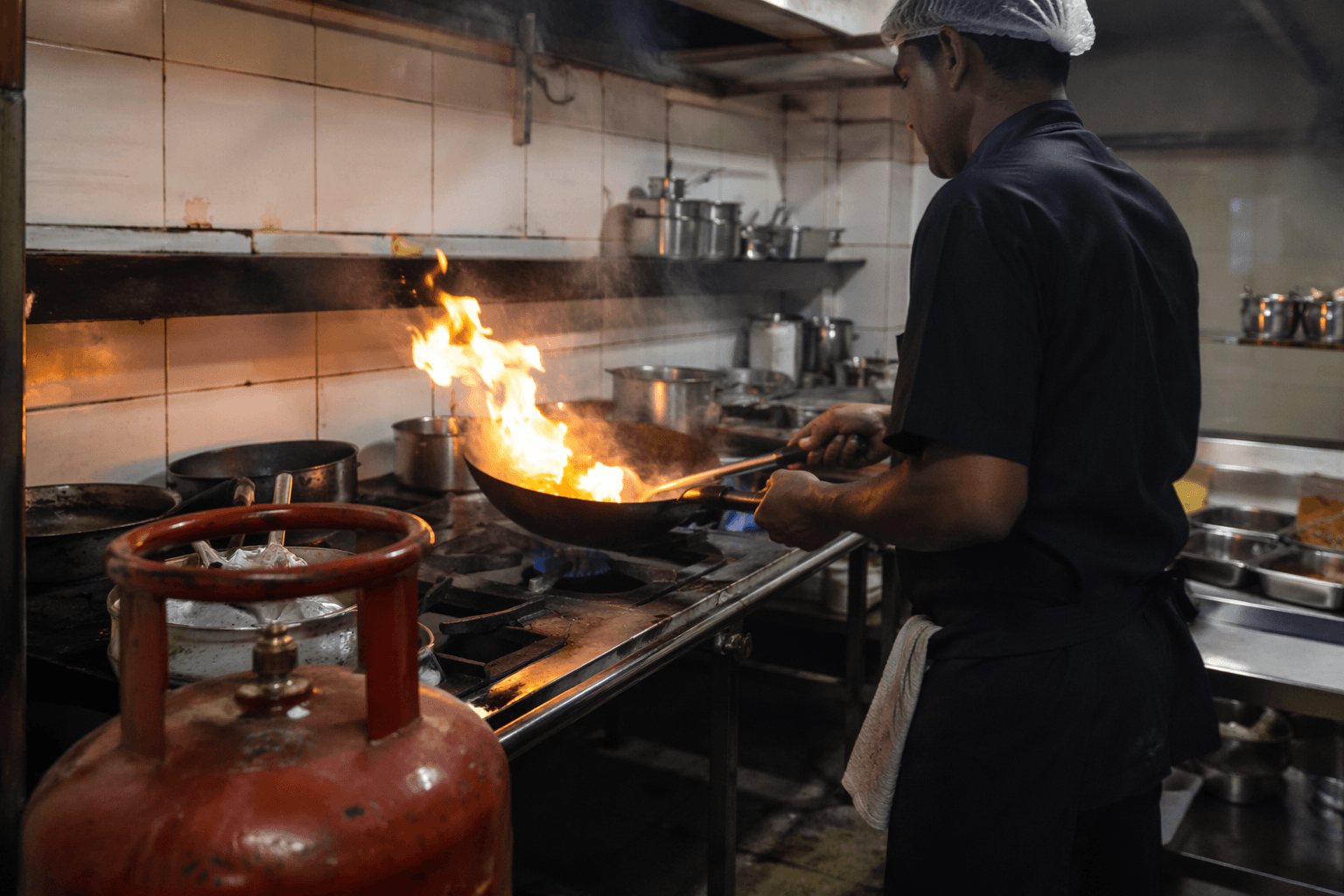
OSHA warns restaurants on cords, wet floors and GFCI safety
OSHA is reminding restaurants that frayed cords, slick floors and bad outlet setups are not small messes. They are predictable injury risks that can trigger callouts, claims and turnover.

The hazards that still break a shift
The problems OSHA flags for restaurant workers are the same ones that get normalized when service gets busy: electrical hazards, fire hazards, slips, trips and falls. That is exactly why they matter so much in restaurants, where a worn cord by the line, a damaged extension cord in the back hall, or a wet patch near dish can turn a normal rush into an injury report.
OSHA’s warning is not just about compliance language. It points to the kind of day-to-day hazard that quietly drains staffing stability, because a minor-looking floor issue can become a workers’ comp claim, a lost shift, or a long recovery that leaves the rest of the crew short-handed. In a business already built on thin margins and high turnover, those are not side issues. They are operational failures.
Why restaurants are especially exposed
Restaurants pack electricity and moisture into the same spaces all day long. Kitchens, dish areas, beverage stations and utility zones are all places where water and power are likely to collide, and that makes cord condition and outlet setup more than a maintenance detail. If a station is built around temporary fixes, the risk does not stay theoretical for long.
OSHA specifically calls out worn electric cords, improperly used extension cords and damaged extension cords because those are the kinds of problems that tend to be ignored until they fail. In restaurant work, that failure can hit while someone is carrying hot pans, moving fast to keep service alive, or cleaning up between turns. The injury risk is not only to the person touching the hazard, but to everyone working around it.
Fire risk belongs in the same conversation. Bad wiring habits, overloaded or improvised setups, and clutter around work areas all add pressure to a system that is already running hot. When managers treat these as background problems instead of shift-stopping problems, they are accepting avoidable exposure in the name of speed.
GFCIs are a practical control, not a buzzword
One of OSHA’s most useful points is its emphasis on ground-fault circuit interrupters, or GFCIs, in places where electricity and wetness coexist. A GFCI can interrupt the circuit quickly enough to prevent serious injury, which is why it belongs in restaurants as a real control measure rather than a box to check on a clipboard.
That matters most in the exact places crews move fastest and clean most often. Dish stations, beverage areas, prep corners and utility zones are all vulnerable because staff are constantly washing, rinsing, mopping or carrying liquids through them. If a restaurant depends on extension cords, makeshift power routing or outlets that are too close to splash zones without the right protection, it is building risk into the shift itself.
For managers, GFCI protection should be treated the way they treat refrigeration or hood service: as part of the core operating system. If it is missing or bypassed, the problem is not abstract. It is a direct safety exposure sitting in plain sight.
Orientation is part of injury prevention
OSHA also says workers should be informed about hazards when hired, and that point lands hard in restaurants. The first days of a job are usually packed with menu memorization, side work, POS training and the unwritten rules of the house, but they also need to include the things that can physically hurt someone. A rushed orientation that skips hazard communication is not just incomplete. It is negligent in practice, even if it sounds efficient on paper.
That responsibility falls primarily on employers, according to OSHA, while employees still have to follow safe work practices. Those two duties are not in conflict. The restaurant that wants fewer injuries has to build safer conditions and give new hires enough information to recognize a problem before it becomes a fall, shock or burn.
This is where culture matters. In too many dining rooms and kitchens, staff are taught to keep moving and not make a fuss. But a culture that rewards silence around hazards is one that increases exposure. The better standard is simple: if someone spots a frayed cord, a slick floor or a risky outlet area, that warning should be treated as useful information, not a distraction.
What managers should audit first on a live shift
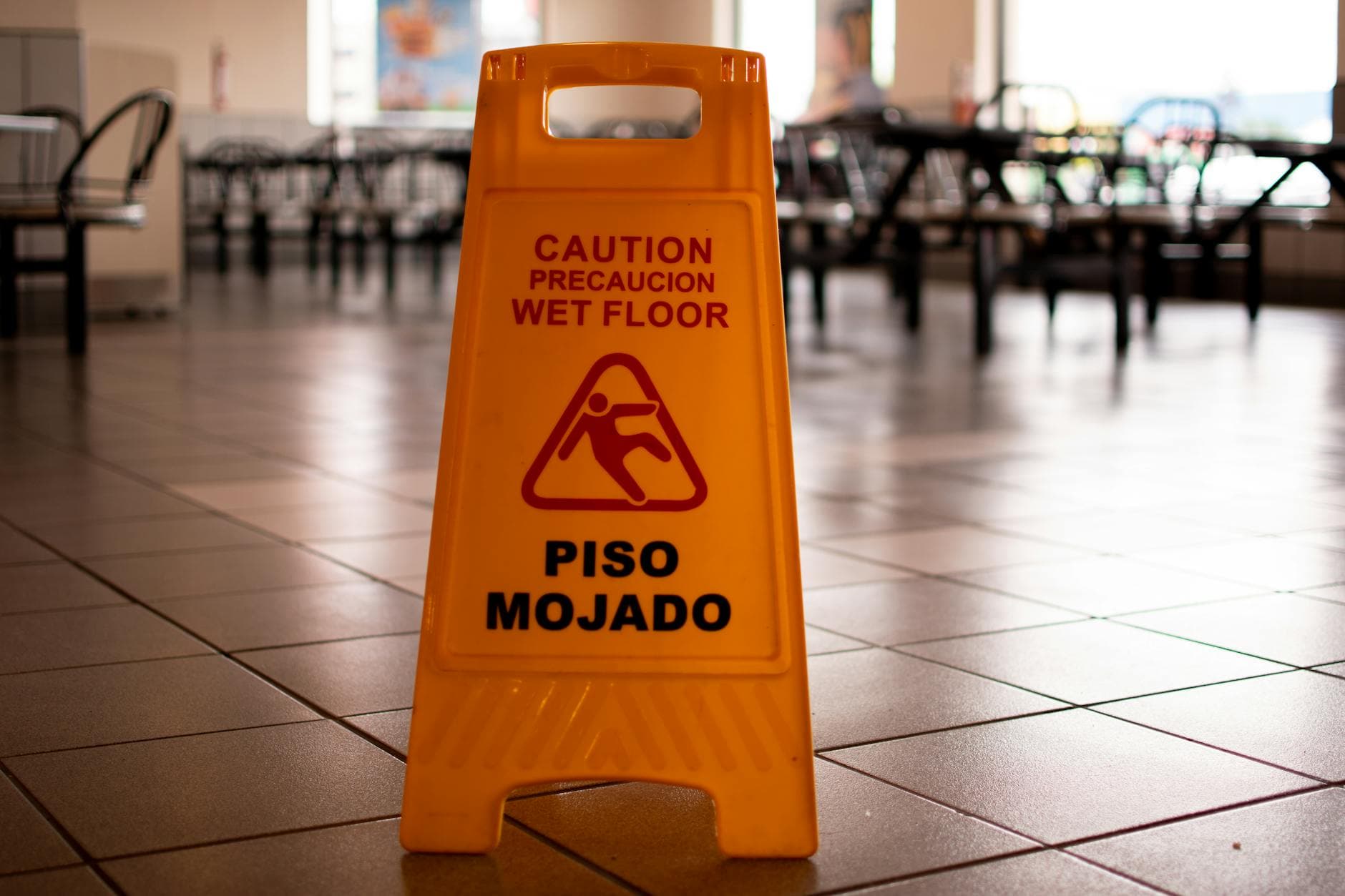
The most useful OSHA guidance for operators is also the simplest: inspect the places where routine work creates repeated risk. Start with cords, because damaged or misused cords are obvious liabilities when they are visible and dangerous when they are tucked behind equipment. Then check floor conditions, especially at transitions between kitchen, dish, bar and storage, where water and traffic concentrate.
- Are any cords worn, frayed, pinched or run where they can be damaged?
- Are extension cords being used properly, or as permanent wiring by another name?
- Are wet, uneven or greasy surfaces being cleaned fast enough to stay safe?
- Are the outlet areas around sinks, beverage stations and dish zones protected with GFCIs?
- Are new hires being told what the hazards are, not just what the menu items are?
A live-shift audit should focus on a few basics:
Those checks are not glamorous, but they are what keep one close call from becoming a repeat injury. Restaurants lose money when someone goes down, and they lose institutional knowledge when the injured worker does not come back quickly, or at all. That is why these “routine” hazards are really staffing hazards too.
What workers should not ignore
For line cooks, servers, bartenders, hosts and dish staff, OSHA’s message is blunt: a slick floor, a frayed cord or a dangerous outlet area is not a minor inconvenience. Those are the conditions that can end a shift, and sometimes a career, faster than any manager’s schedule can absorb. If it looks unsafe, it probably is.
The strongest restaurants are not the ones that pretend the hazards are gone. They are the ones that keep checking the cords, the floors and the outlet protection even when the dinner rush is roaring. That is how safety stops being a slogan and starts functioning like the staffing policy it really is.
This article was produced by Prism’s automated news system from verified source data, official records, and press releases, then run through automated quality and moderation checks before publishing. The system is built and supervised by the people who set the standards it runs under. Read our full AI policy.
Did this article answer your question?