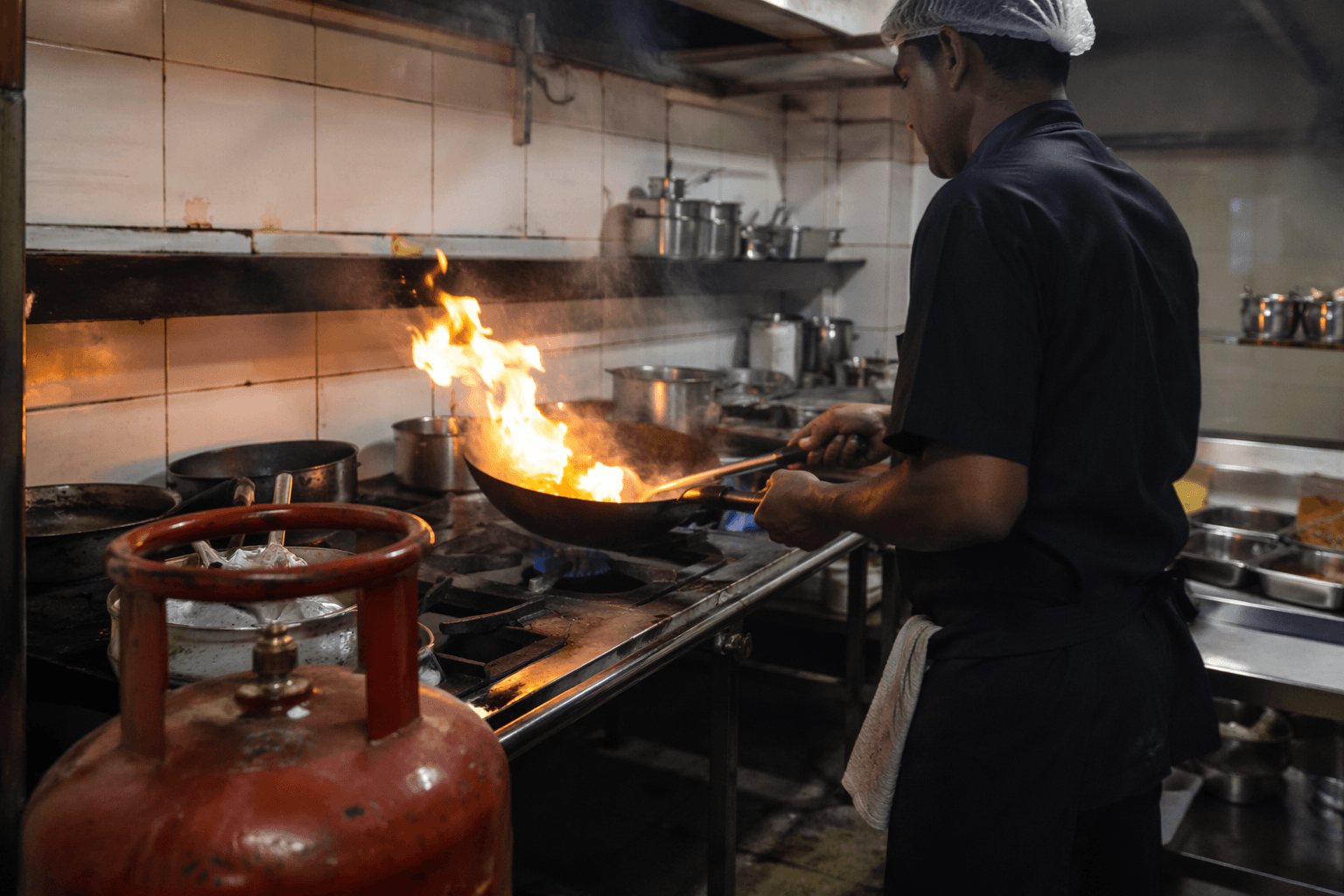
Reservation bots squeeze New York diners out of hot tables
Bots and resale schemes have turned hot New York tables into a digital scrape, leaving ordinary diners shut out while restaurants fight back with anti-fraud tools and a new law.
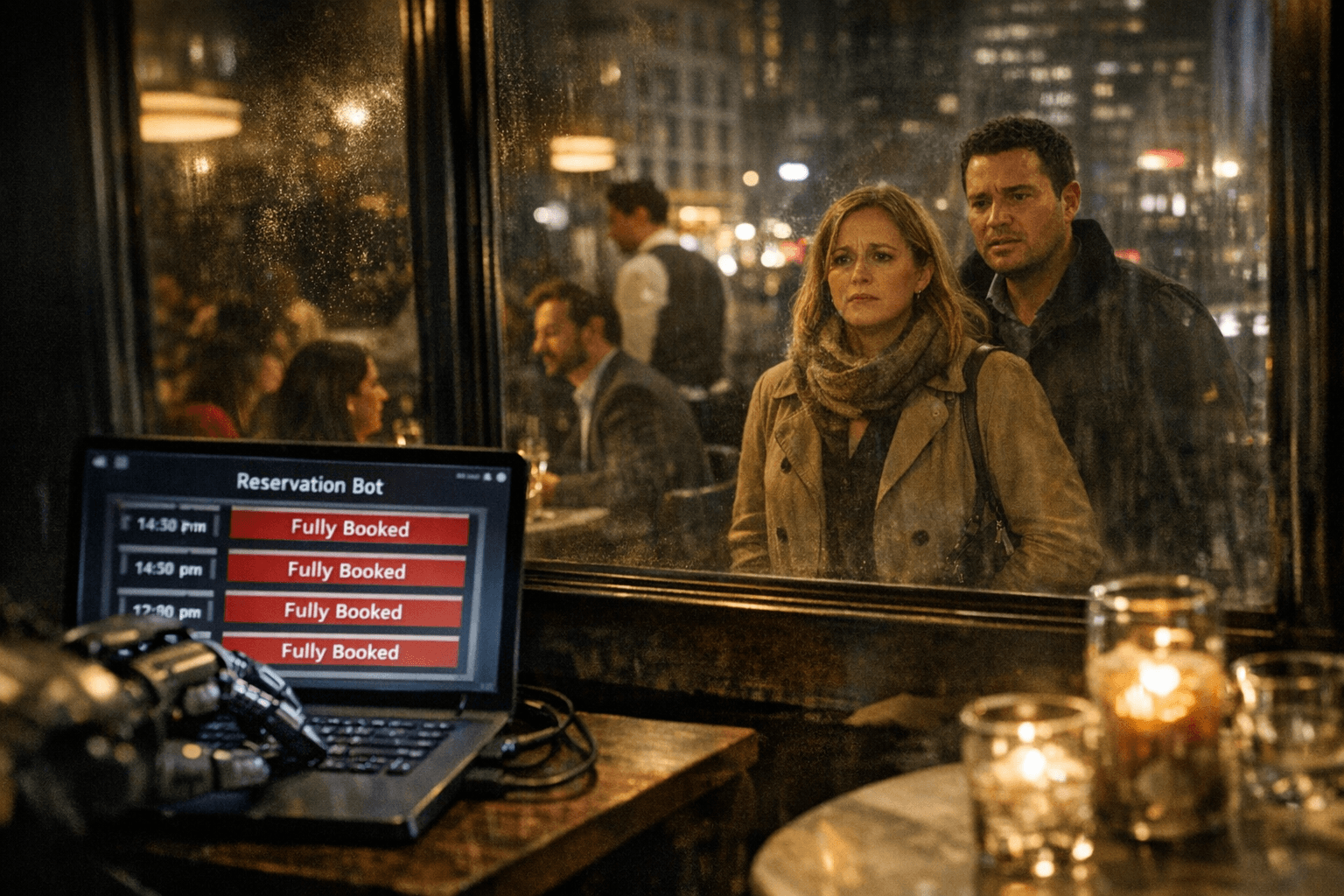
Reservation slots at New York’s most coveted restaurants have become a fast-moving commodity, and ordinary diners are often the ones left staring at a sold-out screen. At buzzy rooms in Manhattan and beyond, bots, resale services and influencer-driven demand have turned the simple act of booking dinner into a high-stakes race that can end before a host ever sees the name on the reservation.
The pressure has been enough to push New York lawmakers to act. The Restaurant Reservation Anti-Piracy Act took effect in February 2025 after state officials and industry groups described a reservation black market in which tables were scooped up and resold at a premium. The law prohibits third-party services from listing or selling restaurant reservations without an establishment’s permission, a direct shot at the shadow economy that grew around hard-to-book dining.
Restaurants and reservation platforms have also been forced into defense mode. Resy says it blocks bot traffic, deactivates rogue accounts and cancels suspicious reservations to protect restaurants and diners. The company has cited fraud problems at Don Angie, San Sabino, Double Chicken Please and Lilia-related venues, a sign that even places with loyal followings and strong demand are not immune.
The system itself has made scarcity part of the experience. Resy, OpenTable, Tock and SevenRooms have turned booking into a kind of real-time contest, where a release window can matter as much as the menu. At Tatiana, one of the city’s most sought-after tables, reservations are released daily at noon, 28 days in advance, a schedule that rewards people who can sit online at the exact minute inventory drops.
That kind of demand has created a second market outside the restaurant, where automated services in 2026 were still openly advertising that they could book “impossible-to-get” New York tables instantly before bots grabbed them. For restaurants, that means more no-shows, more suspicious holds and more time spent policing reservation software instead of running the floor. For staff already dealing with burnout, staffing shortages and the pressure to keep service tight, every fraudulent booking can throw off seating, pacing and tip flow.
Some of the city’s best-known operators, including Angie Rito and Scott Tacinelli of Don Angie and San Sabino, Faye Chen of Double Chicken Please, and Sean Feeney of Lilia, Misi, Misipasta, Fini Pizza and Red Hook Tavern, have all pointed to the toll reservation fraud takes on the business. The practical answer for diners is narrower than the hype suggests: use the restaurant’s own authorized booking channel, watch the exact release time, and avoid third-party offers that are not clearly sanctioned by the venue. In New York’s hottest dining rooms, access now depends as much on control of the reservation as on the food itself.
This article was produced by Prism’s automated news system from verified source data, official records, and press releases, then run through automated quality and moderation checks before publishing. The system is built and supervised by the people who set the standards it runs under. Read our full AI policy.
Did this article answer your question?