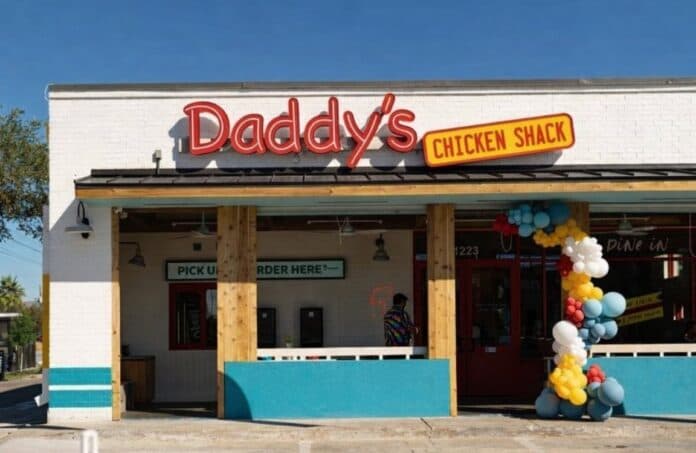
Restaurant benefits emerge as key retention tool for hourly workers
Hourly workers are staying for more than tips. In a churn-heavy labor market, modest benefits can cut replacement costs and keep kitchens and dining rooms staffed.
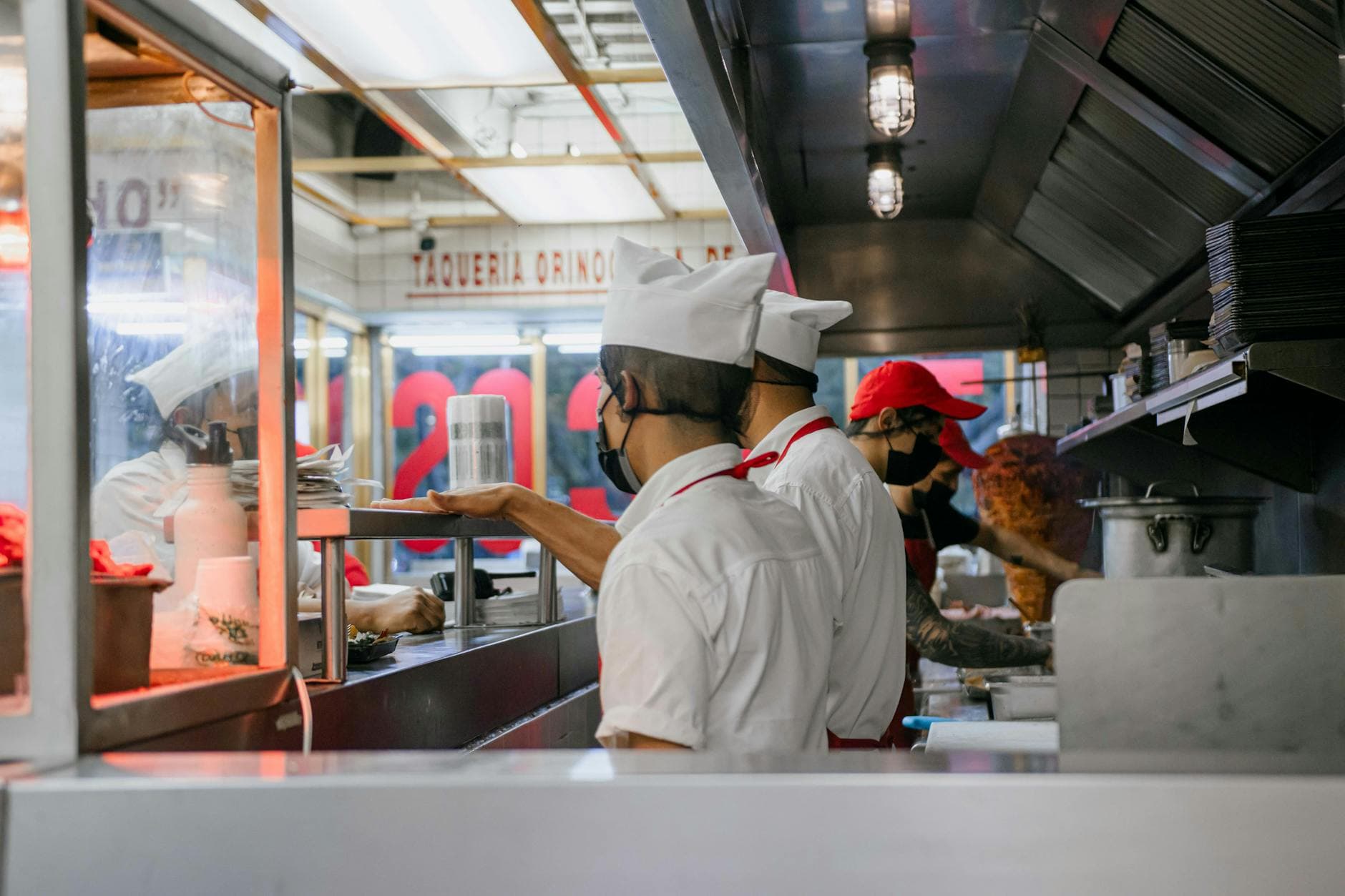
Benefits are now a retention tool, not a side perk
Benefits now do a job that wage bumps alone often cannot: they give hourly restaurant workers a reason to stay. Netchex’s 2026 guide puts the problem plainly, pointing to restaurant turnover that tops 70% in most years and saying one of the most common reasons workers leave is simple: the job does not feel worth staying for. When replacing a single hourly employee can cost between $1,500 and $5,000, even small improvements in retention start to look less like generosity and more like operational discipline.
That is the real pressure point for operators. Restaurants are still battling tight margins, variable schedules, and systems that were never built for large hourly workforces. The result is a labor problem that reaches far beyond hiring. If a restaurant cannot keep enough people through a slow season, every open shift turns into a scramble, every station coverage gap gets wider, and every remaining employee carries more of the load.
What hourly workers actually stay for
The benefits that matter most are not flashy. They are the ones that make a job feel sustainable from one month to the next. Health coverage, dental and vision, retirement access, paid leave, and predictable scheduling all show up in the data because they solve problems restaurant workers live with every day: medical bills, skipped preventive care, no emergency cushion, and the feeling that there is no path beyond the next shift.
Netchex makes the case that even a modest package can change behavior. A small 401(k) match or dental coverage may not sound dramatic from an operator’s point of view, but for a part-time server deciding whether to stay through a slow season, it can be enough to tip the scale. That matters in restaurants because the competition is not only the place across the street. Workers can also walk into Amazon fulfillment centers or gig-economy jobs that promise different tradeoffs, including flexible schedules and, in some cases, health benefits.
The broader benefits market reinforces that shift. SHRM’s 2025 Employee Benefits Survey found that 88% of employers rated health-related benefits extremely or very important, while leave benefits and retirement savings or planning benefits tied for second at 81%. Flexible working benefits also scored highly. In other words, the expectations outside restaurants are rising, and hourly staff know it.
Why this is hard for operators to pay for
Restaurants do not need another lecture about margins. They need workable math. National Restaurant Association commentary says the average family health insurance plan cost $26,993 in 2025. Employers paid $20,143 of that premium, while employees paid $6,850. At the same time, labor costs were 36.5% of total sales for a typical full-service restaurant and 31.7% for a limited-service restaurant. That is why benefits often get treated as a luxury, even when leaders know they are part of the answer.
The coverage picture is more complicated than it first looks. The National Restaurant Association says 81% of restaurant employees had health insurance coverage in 2023, and 71% of those covered had private insurance. More than 4 in 10 restaurant employees are under age 26, which means many are still insured through a parent or spouse, or are moving between jobs and coverage types. For operators, that creates a strange tension: some workers already have insurance, but the employer still has to compete on stability, schedule quality, and the promise that the job can support a real life.
The ACA rules also shape how restaurants think about staffing. The Internal Revenue Service says a full-time employee, for employer shared-responsibility purposes, averages at least 30 hours of service per week, or 130 hours per month. An applicable large employer generally had at least 50 full-time employees, including full-time-equivalent employees, on average in the prior calendar year. For restaurants with lots of part-time and variable-hour staff, that means scheduling is not just an HR issue. It is tied directly to benefit eligibility, compliance risk, and the cost of growth.
The labor market makes retention even more valuable
The restaurant labor market is still moving fast enough to punish weak retention. The National Restaurant Association projects 2026 U.S. restaurant sales at $1.55 trillion, with about 100,000 added jobs and total industry employment reaching 15.8 million. That is growth, but it is not the same as stability. Operators also face uneven traffic and inflation that is squeezing household budgets, especially for low- and middle-income consumers.
The Bureau of Labor Statistics gives the churn a sharper edge. In March 2026, accommodation and food services had 831,000 job openings, 889,000 hires, and 818,000 total separations. The openings rate was 4.6%. Those numbers describe a sector that is constantly refilling seats at the same time it is trying to keep people from walking out. Benefits help because they reduce the odds that every busy weekend becomes a fresh staffing crisis.
That is why the most practical way to think about benefits is not as a perk package, but as a stability package. A worker who stays longer learns the menu faster, makes fewer mistakes, supports weaker stations, and burns out more slowly. That ripple effect is what operators should be tracking, because the payoff shows up in fewer call-outs, more reliable shift coverage, and less money lost to replacement hiring.
What restaurant operators should prioritize first
The strongest benefits strategy for hourly restaurant workers is the one that matches real life, not a corporate template. The first layer is usually health coverage, because it answers the most expensive uncertainty. After that come retirement access, paid sick days, vacation, and scheduling practices that do not make people choose between a paycheck and a doctor’s appointment.
There is also a competitive lesson here. Amazon’s U.S. benefits overview shows benefits can vary by regularly scheduled hours and job status, with classes for 40-hour, 30 to 39-hour, and 20 to 29-hour employees. That matters because restaurant workers are not only comparing paychecks. They are comparing predictability, access, and whether the job feels like a dead end or a foothold.
Paychex and 7shifts both point in the same direction: health insurance, retirement plans, paid sick time, vacation, flexible scheduling, and career development are becoming core retention tools. The old restaurant model was wages, tips, and staff meals, with benefits treated as an afterthought. That model is getting harder to defend. In a business where turnover is expensive and every uncovered shift hurts the whole floor, benefits are one of the few tools that can make hourly work feel durable enough to stay for.
Know something we missed? Have a correction or additional information?
Submit a Tip