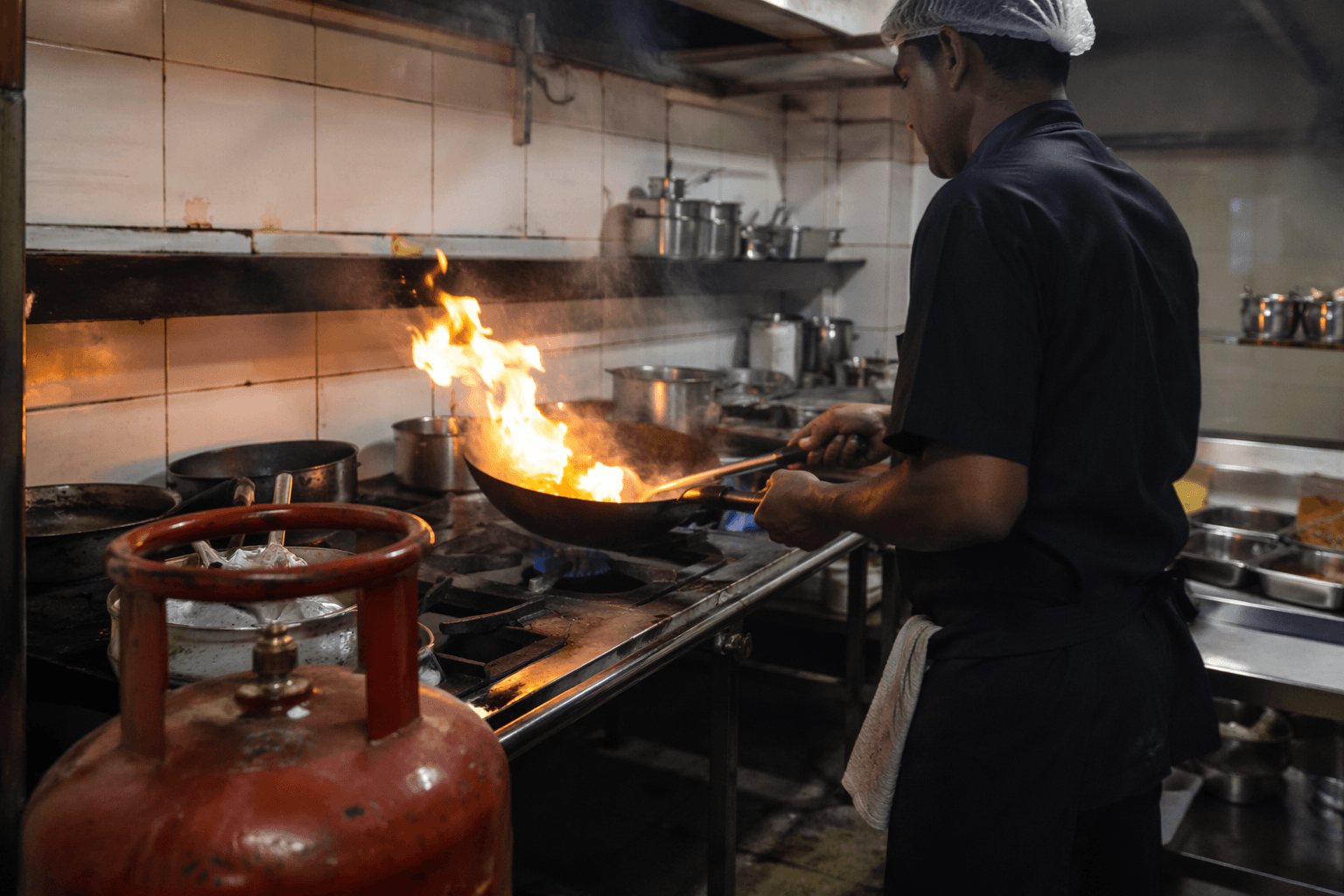
Restaurant jobs demand more than physical labor, BLS says
Restaurant work runs on more than speed. BLS says judgment, calm, and adaptability now define who survives the shift, and who burns out.
The job is bigger than the body moving through it
A restaurant can look like a race of hands, feet, and tickets, but the Bureau of Labor Statistics says the job reaches much farther than physical labor. Its food preparation and serving occupations group includes chefs, cooks, bartenders, dishwashers, waiters, food servers, hosts, and hostesses, and the agency says the work depends on judgment, decision-making, interacting with others, and adapting to changes on the job.
That matters because the skill split is not as one-sided as the industry sometimes pretends. In 2025, BLS says more than basic people skills were required for 17.2 percent of workers in the group, while 82.8 percent required basic people skills. In plain restaurant terms, the job may start with speed and stamina, but the people who last are usually the ones who can read a room, absorb pressure, and keep service moving when the plan changes mid-shift.
What the labor data says about the business
The BLS Occupational Outlook Handbook says food preparation and serving occupations are projected to grow about as fast as the average for all occupations from 2024 to 2034. It also projects about 2.6 million openings per year, on average, from growth and replacement needs, and it puts the median annual wage at $34,130 in May 2024.
That wage number helps explain why restaurant work is still tangled up in tipping culture, tip pooling, and minimum-wage gaps between front of house and back of house. A median wage that low means many workers are still relying on a combination of hourly pay and tips to make the math work, especially servers and bartenders whose income rises and falls with guest volume, tip policy, and the quality of the shift in front of them. In that setting, emotional control is not a personality trait. It is part of the paycheck.
The broader restaurant economy is still large enough to keep pressure on hiring. The National Restaurant Association’s 2025 State of the Restaurant Industry report, based on economic analysis plus ongoing surveys of operators and consumers, forecasts $1.5 trillion in restaurant industry sales in 2025 and total restaurant and foodservice employment of 15.9 million by year-end. A U.S. Department of Labor data spotlight by Bill Lawhorn adds more context: food service sales grew from $632 billion in 2012 to $898 billion in 2022, while about 13.9 million people were employed in food service occupations in 2022.
Those numbers point to the same reality operators already feel on the floor. This is a huge labor market with constant replacement needs, and the competition is not just for bodies. It is for people who can handle a busy Saturday, a callout, a broken printer, a long ticket rail, and a frustrated guest without letting the room fall apart.
Why soft skills are hard skills in restaurants
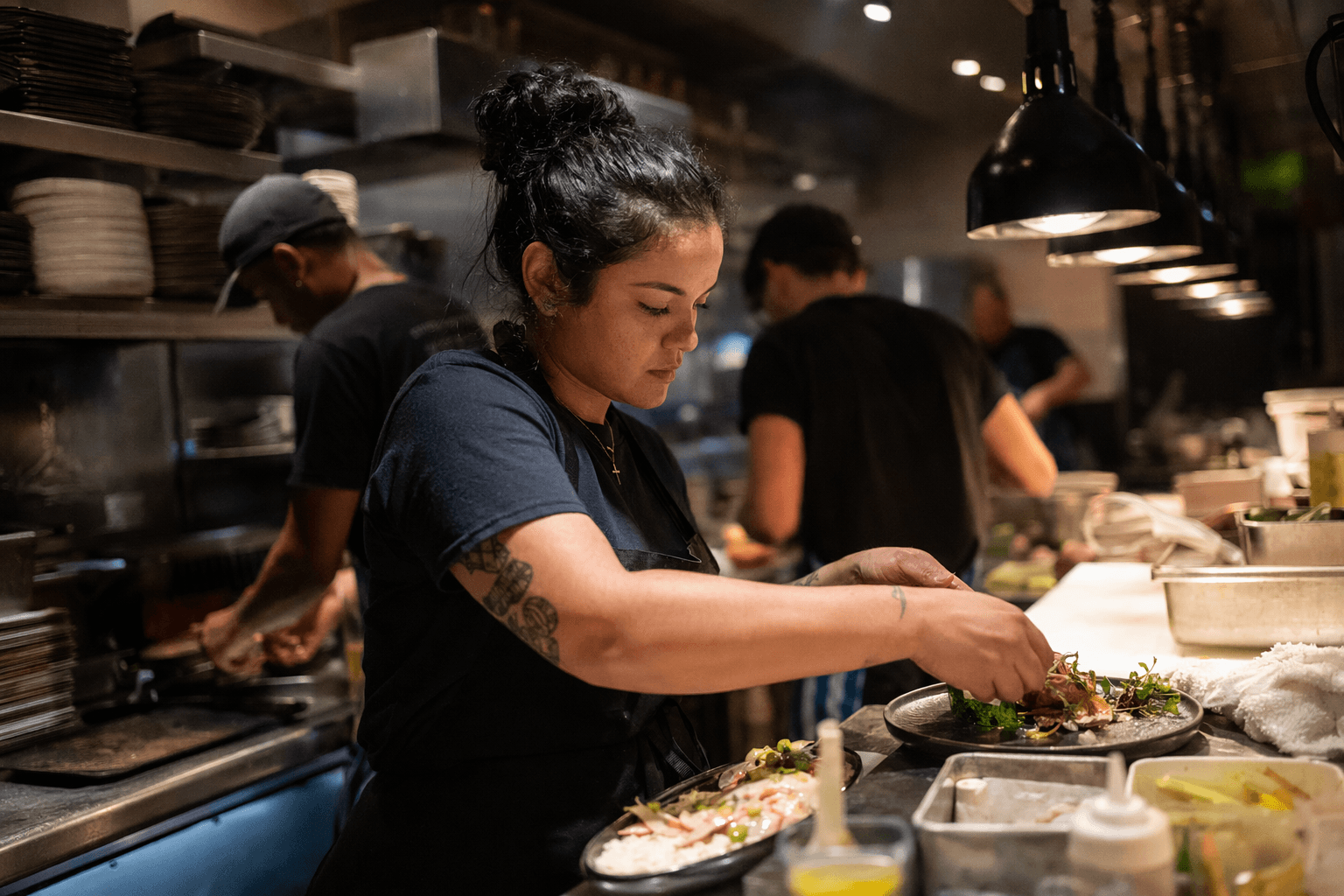
Frontline hospitality work is central to repeat business, and the research keeps backing that up. A Springer chapter on emotional labor and wellbeing says frontline employees are fundamental to customer loyalty and repeat visitation, and that service quality is heavily shaped by workers’ wellbeing, which is tied to emotional labor in customer interactions. The same chapter says the hospitality industry suffers from extraordinarily high levels of workplace stress and burnout.
That is not abstract to the people taking orders, plating food, or running drinks. A server who has to smile through a guest complaint, a bartender handling a bad attitude at the rail, or a host balancing a wait list against a dining room full of impatient faces is doing emotional labor whether management labels it that way or not. In a tipped room, that labor can affect take-home pay immediately, which makes the job even more sensitive to guest mood, table placement, and how well the team handles conflict before it spreads.
Research on restaurant workers makes the cost even clearer. One restaurant-industry study found that customer incivility is associated with employee burnout and turnover intentions. In other words, rude behavior from guests is not just unpleasant, it pushes workers closer to the exit. That is especially relevant in an industry already dealing with staffing shortages, high turnover, and the constant drain of training people who do not stay long enough to become reliable.
A 2025 study by Sandra Sun-Ah Ponting and Jess Ponting, looking at food and beverage workers in Tel Aviv and New Orleans, found that COVID-era disruption heightened emotional labor and moral dilemmas in service work. That finding tracks with what many workers still describe now: more unpredictable guests, more pressure on staff to keep calm, and more moments when the right thing for the customer conflicts with what the exhausted worker can reasonably absorb.
What this looks like on the floor
The BLS language is broad, but every restaurant shift turns it into a very specific test. A host is not just assigning a table; that person is reading the room, balancing quoted wait times, and deciding when to seat a family, a four-top, or a regular who already feels entitled. A server is not just carrying plates; that person is managing special requests, timing, allergens, complaints, and the reality that one slow check can affect everyone else’s tips and the turn on the next table.
In the back of house, the same pattern holds. A cook dealing with stacked tickets, low product, or a manager changing the flow of service is making dozens of small judgment calls under pressure. Dishwashers, bartenders, and food servers all live in that same ecosystem, where one breakdown in communication can become a lost tab, a late ticket, a resentful guest, or a worse night for everyone on the clock.
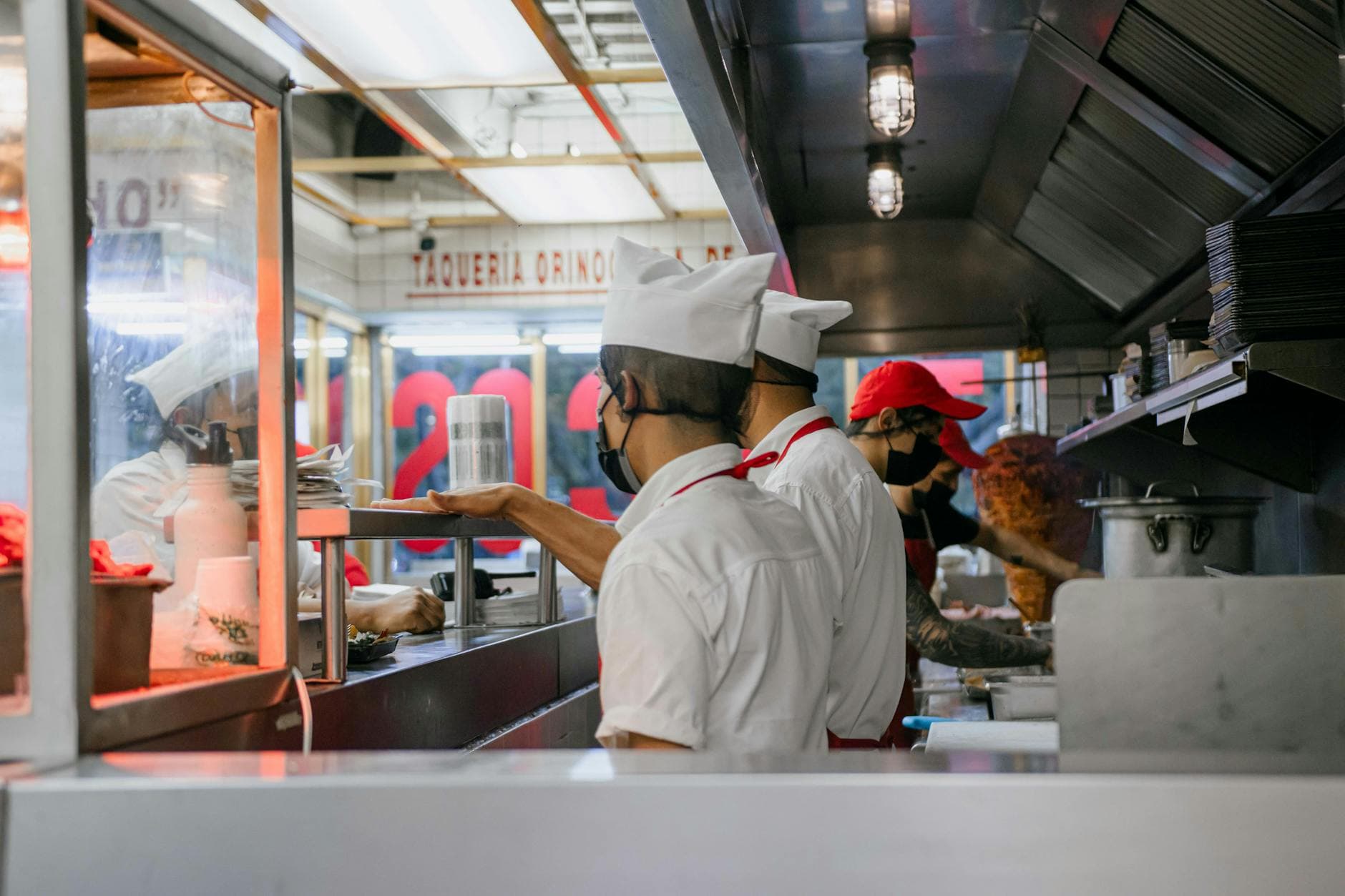
- Good restaurant workers are usually fast, but speed alone does not keep service from collapsing.
- The people who last tend to stay calm when priorities shift, when guests escalate, or when the kitchen and dining room stop syncing.
- In FOH and BOH alike, the job rewards judgment, not just muscle memory.
What managers should take from the data
For managers, the BLS profile is more than a staffing footnote. It is a hiring warning label. If a restaurant only screens for prior experience, physical pace, or the ability to work a weekend double, it can still end up with someone who cannot handle the emotional load that comes with the job. The best hires are rarely the fastest bodies in the room; they are the people who can communicate clearly, adapt without drama, and make smart decisions when the floor goes sideways.
That matters even more when the business is trying to hold onto workers in a market where the National Restaurant Association sees 15.9 million total restaurant and foodservice jobs by year-end and BLS expects 2.6 million openings a year on average. In that kind of labor environment, training cannot stop at menu knowledge and sidework. It has to include conflict de-escalation, shift handoff discipline, cross-training, and a realistic conversation about pay equity across FOH and BOH, especially where tips, pooled tips, or minimum-wage structures shape who feels rewarded and who feels stuck.
The larger lesson is simple, and it cuts against the old restaurant myth that the job is mostly about endurance. Restaurants still run on stamina, but the work that separates stable teams from revolving doors is emotional control, communication, and the ability to adapt under pressure. The industry may keep hiring for speed, but the people who keep the dining room alive are the ones who can think, speak, and reset before the next seat is filled.
This article was produced by Prism’s automated news system from verified source data, official records, and press releases, then run through automated quality and moderation checks before publishing. The system is built and supervised by the people who set the standards it runs under. Read our full AI policy.
Did this article answer your question?