Restaurant operators demand simpler tech as systems overload shifts
Restaurant tech is being judged on whether it speeds up shifts, not dazzles buyers. Operators are done layering tools that add clicks, costs, and kitchen delays.
Why the show became a reality check
The loudest message coming out of the National Restaurant Association Show was not about shiny gadgets. It was about relief. Operators are looking for technology that stabilizes margins, simplifies operations, helps manage labor shortages, increases throughput, and delivers more predictable performance, because the old habit of stacking one system on top of another has made many shifts harder, not easier.
That matters on the floor. When ordering, scheduling, payroll, inventory, and labor tools do not talk to each other, managers end up re-entering data, chasing broken integrations, and fixing reporting errors by hand. The result is more time babysitting software and less time running the restaurant, which is exactly the kind of friction cooks, servers, bartenders, hosts, and managers feel when tickets slow down or handoffs get messy.
What the 2026 show revealed
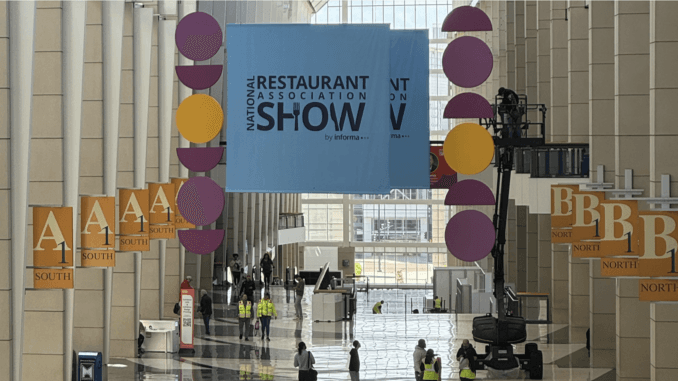
The 2026 National Restaurant Association Show ran May 16 through May 19 at McCormick Place in Chicago, and the scale alone showed how broad the industry’s needs have become. Industry coverage described it as the 105th year of the event, with more than 53,000 foodservice professionals from 100 countries expected, including 600 first-timers, and more than 2,000 exhibitors spread across roughly 700,000 square feet.
That mix matters because the show was not just a tech floor. It also featured kitchen equipment, sustainable packaging, plant-based foods, beverages, and cutting-edge technology. For restaurant operators, that breadth is the point: the next purchase is often competing with more urgent needs in the kitchen, the back office, and the labor schedule, not just the latest software pitch.
Why workers feel disconnected systems first
When restaurant systems are fragmented, the pain shows up on the clock. A server feels it in a delayed ticket. A host feels it when a table assignment does not match the pace of the dining room. A kitchen crew feels it when demand spikes but the labor forecast was wrong. A manager feels it when the schedule, sales reports, and staffing needs each live in a different system and none of them agree.
That is why the current buying mood is so different from the older era of tech enthusiasm. Operators are now more likely to ask whether a tool reduces complexity instead of creating another dashboard to monitor. The real test is not whether a product looks advanced on a trade-show floor. It is whether it helps a cleaner schedule get built, a table get rung in faster, or a line keep pace during a rush without adding one more manual fix.
The business pressure behind the shift
The industry’s tech reset is happening under real financial strain. The National Restaurant Association’s 2026 State of the Restaurant Industry report projected $1.55 trillion in restaurant and foodservice sales and more than 100,000 job additions, but it also pointed to persistent cost pressure, cautious household spending, and a cooling labor market.
The same executive summary said 61% of adults consider dining out essential to their lifestyle, which helps explain the demand side. But it also said 42% of operators said their restaurants were not profitable in 2025 and had limited ability to raise menu prices. That leaves efficiency as a survival issue, not a nice-to-have. If a technology rollout adds labor hours, slows service, or creates more admin work, it hits the bottom line and the staff experience at the same time.
What operators already know about tech adoption
The industry has been talking about technology for years, but adoption has not always matched the rhetoric. In the 2024 Restaurant Technology Landscape Report, 76% of operators said technology would give them a competitive edge. At the same time, only 13% said they believed they were on the cutting edge of adoption, while 23% worried they were lagging behind.
That gap helps explain why the conversation in 2026 felt more practical. Many operators know they need tech, but they also know they have layered too many tools onto already thin operations. A better system is not the one with the most features. It is the one that cuts duplicate work, reduces reporting gaps, and helps the team get through service with fewer breakdowns.
Where AI fits, and where it does not
AI is already part of that conversation, but not in the sci-fi sense. National Restaurant Association materials said 26% of operators were using AI-related tools, with marketing and administrative tasks among the leading uses. The association’s workforce research also says automation, AI-driven applicant tracking systems, and chatbots can reduce hiring times and free managers from administrative tasks so they can refocus on restaurant operations.
For workers, that only helps if the tools remove friction instead of adding another screen to check. Used well, automation can take repetitive admin off a manager’s plate and shorten the time it takes to get people hired and scheduled. Used badly, it just shifts the burden onto the floor, where employees still have to do the work and also troubleshoot the system.
What restaurant leaders should stop buying first
The strongest lesson from the show is not that restaurants should buy more technology. It is that they should buy more selectively. Before the next rollout, leaders should stop adding stand-alone systems that duplicate work already handled elsewhere, especially if they create separate logins, separate reports, or separate correction steps for managers.
A better approach is to measure a few concrete outcomes before signing a contract:
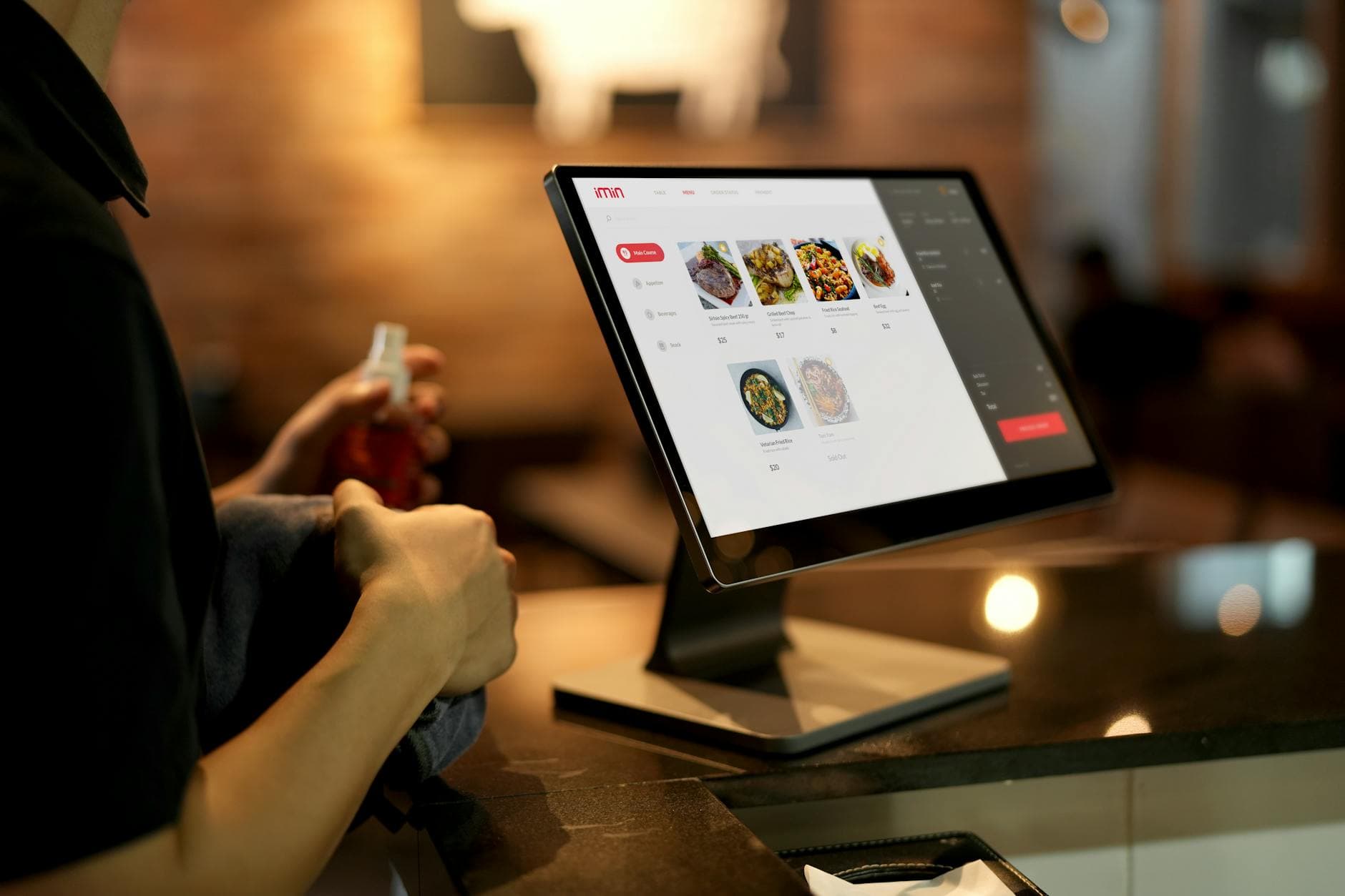
- How many manual steps does the tool remove from scheduling, labor tracking, ordering, or reporting?
- Does it reduce ticket delays, order errors, or labor chaos during a rush?
- Can managers use it without becoming full-time system fixers?
- Does it integrate cleanly with the tools already in place, or does it create another layer of reconciliation?
- Will it make shifts smoother for the crew, or only prettier for the dashboard?
Those are the questions that matter in a dining room where every extra click can slow service and every messy handoff can frustrate the people doing the work.
The new test for restaurant tech
The trade show floor used to reward novelty. Now it is rewarding restraint. Operators are under pressure to protect margins, keep service moving, and hold onto staff in a business where burnout and turnover already run high. That means the next wave of restaurant technology will be judged less by how futuristic it looks and more by whether it actually makes the shift easier.
If the tools simplify the work, shorten the admin burden, and help the team move faster with fewer mistakes, workers will feel the benefit immediately. If they do not, restaurants will just keep paying for another layer of complexity.
Know something we missed? Have a correction or additional information?
Submit a Tip