Restaurant workers protected when raising shared pay, staffing, safety concerns
A group text about pay, tips, or heat can be protected, and one quick discipline decision can turn into a labor case.

Why the ordinary restaurant argument can carry legal weight
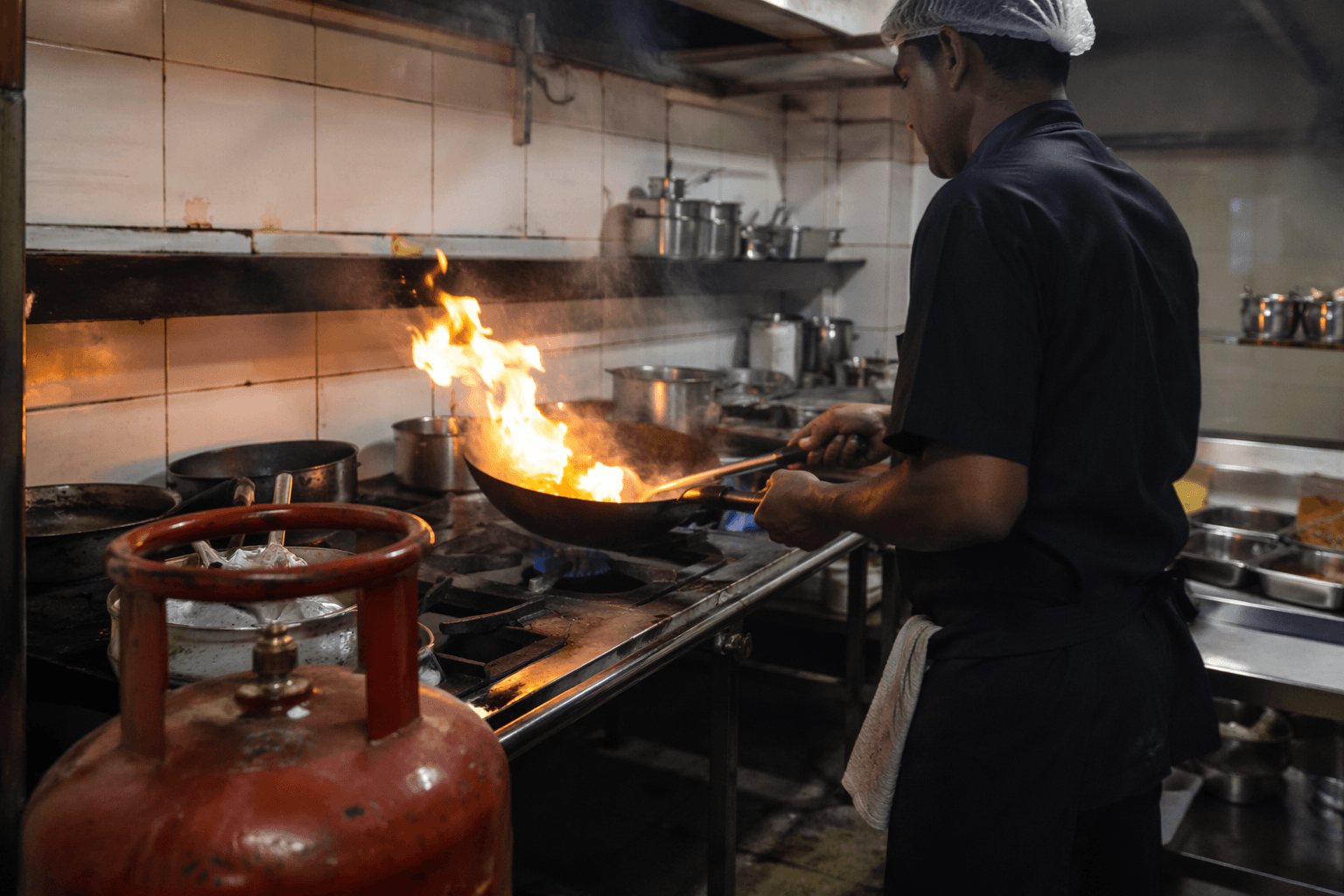
In restaurants, the flashpoint is often small: a server texting coworkers about bad side work, a line cook complaining about impossible volume, or a dish shift flagging broken equipment that makes the room unsafe. The National Labor Relations Board says those kinds of shared concerns can fall under protected concerted activity when workers are acting together to improve wages, benefits, scheduling, or working conditions.
That protection matters because restaurant problems are rarely isolated. A slow lunch, a bad section, or one rough shift might be personal, but repeated complaints about pay, staffing, heat, or safety usually are not. Once employees start raising those issues together, the risk for management shifts fast.
What the law protects in a restaurant setting
The National Labor Relations Act protects most private-sector employees, whether they are unionized or not, when they join together around workplace conditions. The NLRB says that protected concerted activity can include talking with coworkers about pay or staffing, circulating a petition for better hours, refusing unsafe work together, or speaking with an employer, a government agency, or the media about workplace problems.
That is especially relevant in food service, where the same issues ripple across the whole front and back of house. If servers are comparing tip-outs, line cooks are pushing back on unsafe pacing, or hosts are talking about schedules that keep changing at the last minute, those are not just random gripes once they become a shared effort to fix something. The law is aimed at group action, not just classic union organizing.
The practical takeaway is simple: a group text, a signed note, a shared complaint, or a coordinated refusal to work in unsafe conditions can all matter. In a business with high turnover and a constant sense that people are replaceable, that protection gives workers a legal foothold when they act together instead of one by one.
The restaurant moments that can cross the line
Some of the easiest restaurant examples are also the easiest to miss. Workers comparing tips after a shift, asking why prep time keeps spilling past clock-out, or telling management that the walk-in, hood, or fryer setup feels unsafe can all become protected when the conversation turns collective. A single complaint can stay individual; a coordinated push for a fix starts looking different.
Common restaurant scenarios that may be protected
- Servers discussing pay discrepancies, tip pooling, or missing tip-outs.
- Line cooks or dish staff raising staffing shortages that make the kitchen unsafe or unworkable.
- Employees circulating a petition for better hours or more stable scheduling.
- Workers refusing to keep working in unsafe conditions together.
- Staff speaking to a government agency or the press about workplace problems.
The key point for restaurant operators is not whether the complaint sounds polite. It is whether the issue is shared and tied to working conditions. A grumbled comment in the pass is one thing; a group effort to push for better treatment is another.
Why one employee can still be protected
It is also a mistake to assume protection only starts when several people sign the same note or show up together. The NLRB says a single employee can still be covered if that person is acting on the authority of other employees, bringing group complaints to management, trying to induce group action, or preparing for group action.
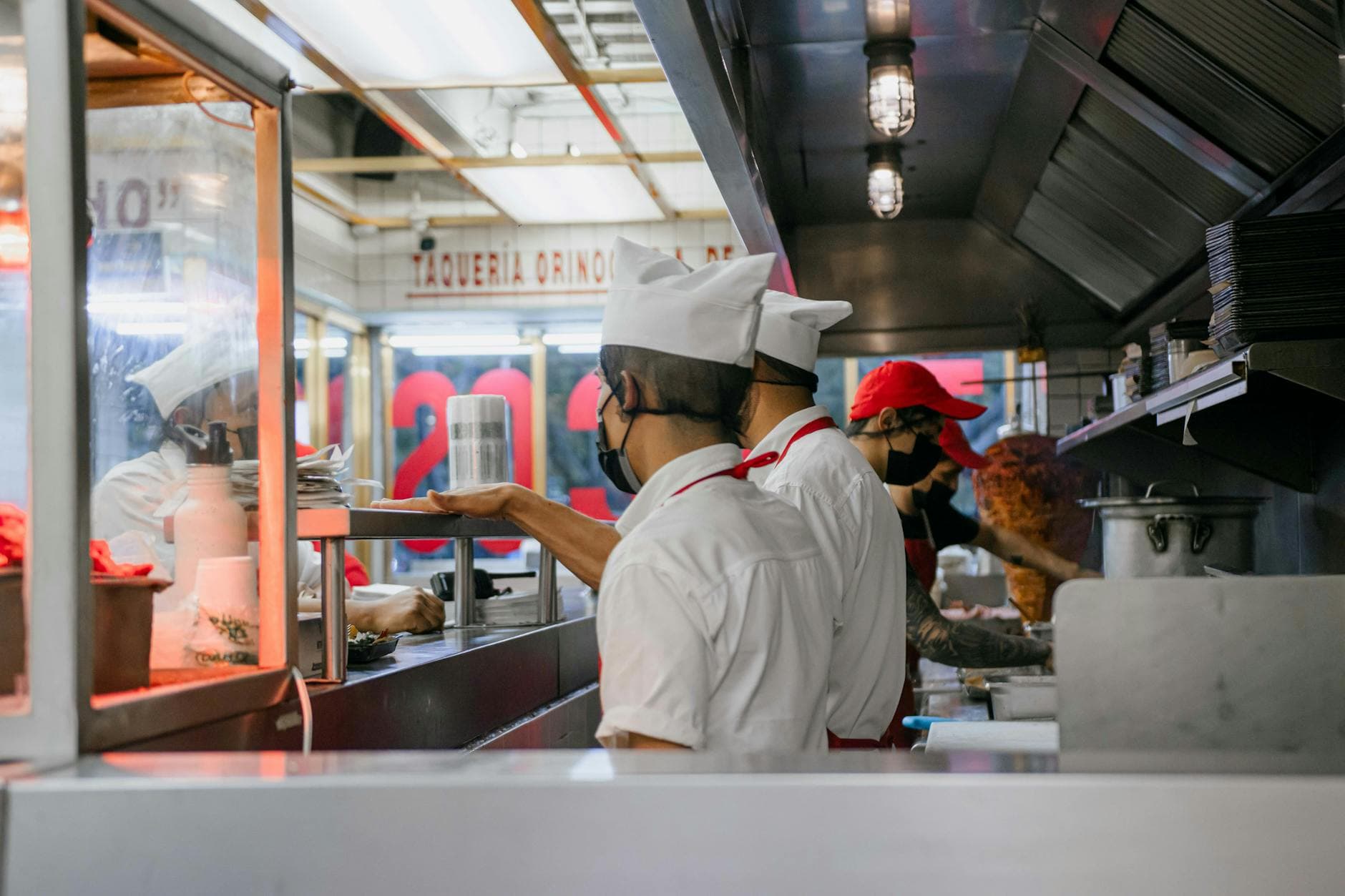
That matters in restaurants because a lot of shared conflict comes through one visible person. Maybe a bartender is the one who brings the whole crew’s schedule problems to the general manager, or a line cook is the one who tells ownership the kitchen cannot keep operating safely at that volume. Even if that worker is the only one speaking in the moment, the law can still treat the conduct as concerted if the person is carrying a group concern.
For managers, that means the first question should not be, “Who else was in the room?” It should be, “Was this person raising a shared workplace issue on behalf of others, or trying to get others involved?” That distinction can decide whether a routine disciplinary move becomes a legal problem.
What changed in 2023, and why that matters now
The standard the NLRB uses is not frozen in place. In August 2023, the board returned to a broader totality-of-the-circumstances test in Miller Plastic Products, Inc., which means it looks at the full context of the worker’s conduct rather than applying a narrower shortcut. That is a meaningful shift for restaurants, where complaints are often messy, informal, and delivered in the middle of service instead of in a clean written statement.
Before that, the narrower approach associated with Alstate Maintenance put more emphasis on whether a worker’s complaint clearly aimed to induce group action. The newer test gives more room for context, which raises the stakes when management is reacting to group texts, online posts, or a spontaneous walkout over unsafe work or bad scheduling.
In plain terms, the line is broader now than it was under the older approach. A comment that might once have seemed too casual or too individual can look different when the board considers the full situation around it.
What employers should do before disciplining someone
The biggest mistake in restaurants is reacting to the volume of the complaint instead of the nature of the complaint. The NLRB says employers cannot discharge, discipline, threaten, or coercively question workers for protected concerted activity. That means a manager who sees a staff dispute about pay, staffing, or safety has to slow down before deciding whether to suspend, write up, or fire someone.
Before taking action, operators should ask a few grounded questions:
- Was the worker speaking only for themselves, or raising a shared issue?
- Were coworkers involved, even informally, through texts, petitions, or group complaints?
- Is the issue about wages, hours, safety, or treatment at work?
- Has the worker been trying to bring a common concern to management or get others involved?
That pause matters because restaurant decisions are often made fast, under pressure, and in front of a line that still needs to keep moving. But a snap discipline call can carry real risk if the conduct was protected.
What workers should keep in mind when speaking up
For employees, the safest path is to keep the issue focused on working conditions and make clear when the concern is shared. A text thread about late clocks, skipped breaks, or unsafe equipment is stronger when it stays centered on the workplace problem rather than a personal feud. The same is true for a petition, a group complaint, or a conversation with management about hours or pay.
The law does not require workers to wait for a union election or a formal campaign before acting together. That is one reason this protection matters so much in restaurants, where people often need relief now, not after months of organizing. Speaking up together about tips, staffing, safety, and schedules is not automatically insubordination. In many kitchens and dining rooms, it is the first real step toward changing how the place runs.
This article was produced by Prism’s automated news system from verified source data, official records, and press releases, then run through automated quality and moderation checks before publishing. The system is built and supervised by the people who set the standards it runs under. Read our full AI policy.
Did this article answer your question?