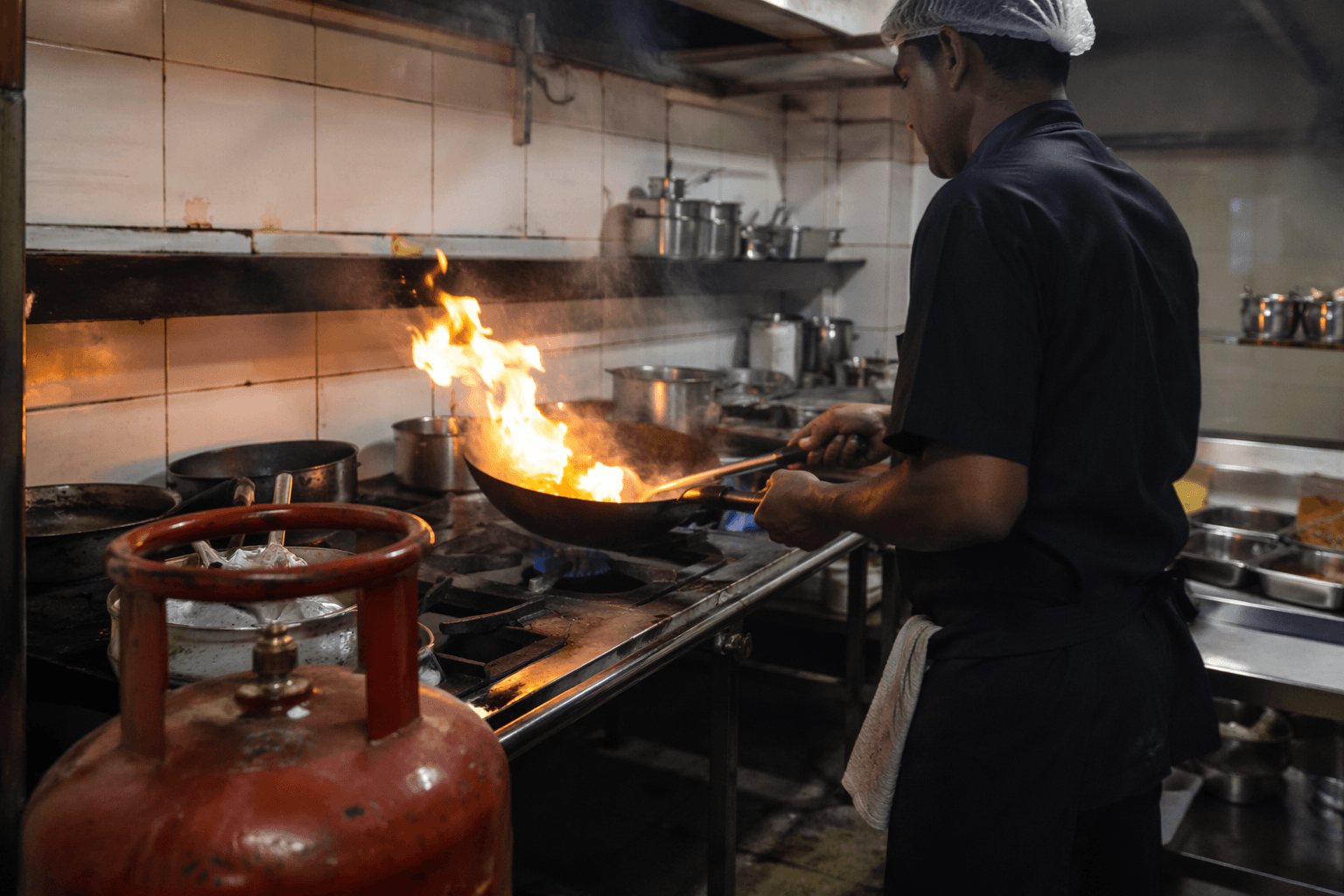
Restaurant Workers Should Know FLSA Coverage, Overtime and Wage Rules
A restaurant can owe federal wage protections even when it feels local. Tip credit, credit cards and split shifts can all put pay rules on the line.

What FLSA coverage means when you punch a clock in a restaurant
A busy dining room can make federal law feel far away, but the Fair Labor Standards Act follows the shift. If a restaurant or fast-food business has annual gross sales of at least $500,000, it is generally covered, and even a smaller operation can still cover individual employees through interstate commerce. That means a waitress or cashier who handles a credit card transaction may already be inside the law’s reach, whether the place is a national chain or a neighborhood spot that looks too small to matter.
That is the part managers do not always explain clearly. The FLSA is not just about one rule at a time; it sets the baseline for minimum wage, overtime, recordkeeping and youth employment standards. The Department of Labor says the law covers more than 148 million workers in more than 10 million workplaces, which is why restaurant payroll mistakes can become costly fast. In a business built on odd hours, split shifts, weekend rushes and high turnover, coverage is the first question to answer before anyone argues about whether a paycheck is right.
Minimum wage and overtime start with the clock, not the job title
For covered nonexempt workers, the federal minimum wage is $7.25 an hour, effective July 24, 2009. That number is the floor, not the ceiling, and it matters most in restaurants where pay can look complicated on paper but simple in practice: hours worked must be counted, and overtime must be paid when it is due. A title like shift lead, key holder or assistant manager does not erase wage protections if the actual work is still nonexempt.
Overtime rules are where restaurant payroll often gets messy. A server covering a double, a line cook asked to stay after close, or a host sent home and called back in for a dinner rush can all rack up hours that need to be tracked carefully. The Labor Department’s guidance is clear that employers must classify workers properly and calculate overtime correctly, and that is especially important in restaurants where schedules change late and records can get sloppy.
Federal law also comes with a recordkeeping obligation, which is easy to overlook until a worker starts comparing tips, shifts and pay stubs. If your hours are being rounded in a way that erases real time worked, or if an after-hours side task is never reflected on payroll, the problem is not just bad management. It can be a wage and hour violation.

Tip credit rules do not erase wage protections
Tipped pay is one of the biggest blind spots in restaurant work, especially when front-of-house and back-of-house employees live by different pay structures. The FLSA permits employers to take a tip credit toward minimum wage and overtime obligations for tipped employees, but the law still sets a baseline underneath that system. The Department of Labor says a tipped employee is generally someone who customarily and regularly receives more than $30 a month in tips.
That matters for servers, bartenders and some service staff, but it also matters for managers who design schedules and tip pools. A tip credit does not give a restaurant a free pass to ignore overtime, and it does not turn every hour into tipped time just because a worker spends part of a shift on side work, closing duties or cleaning. When tip pooling is set up badly, the result can be unpaid wages, disputes between front and back of house, and a paper trail that looks cleaner than the actual floor did on a Saturday night.
Recent enforcement shows how expensive those mistakes can be. In 2024, the Labor Department recovered six-figure back wage and damages awards in restaurant cases involving tip-pool violations, overtime violations and child labor provisions, including a case against a Vermont restaurant and a Huddle House franchise operator. In one Vermont case, the agency said the restaurant retaliated against a server, underpaid workers and violated child labor provisions, with $290,000 in back wages and damages at issue. That is not an abstract compliance lecture; that is real money that should have gone into paychecks.
Teen workers are covered too, and the rules are tighter than many schedules suggest
Restaurants rely heavily on younger workers, especially in summer, on weekends and in fast-food settings where turnover is constant. The FLSA’s child labor rules make clear that workers under 18 are subject to limits, and workers ages 14 and 15 may only work specific hours and tasks. That means a manager cannot simply slot a younger worker into whatever role needs filling, even when a shift is short-staffed and everyone else is already slammed.
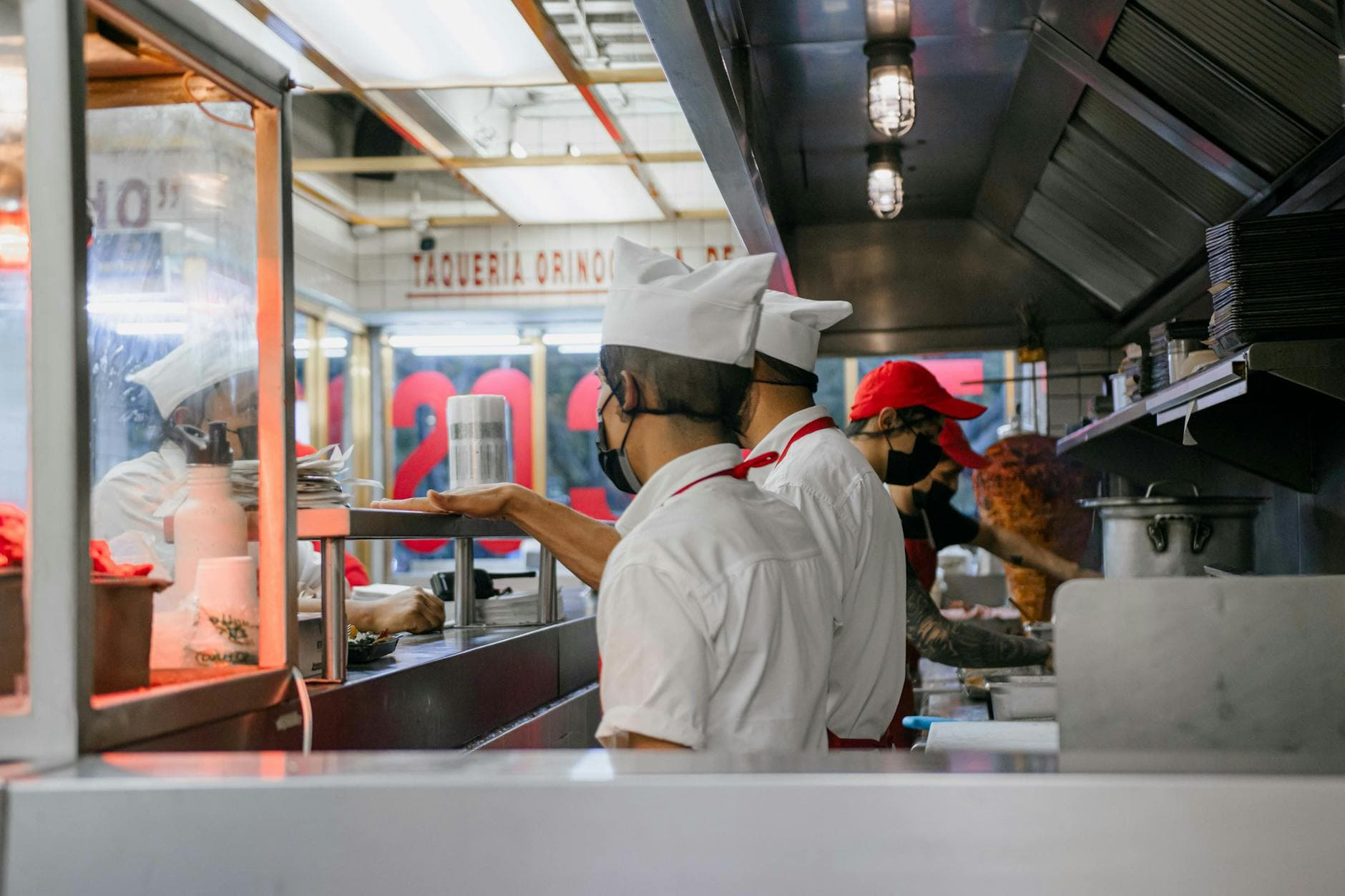
This is where a lot of restaurant culture collides with legal reality. A host may look old enough to do more than seating, a runner may be asked to help with prep, or a younger employee may be kept on after hours because the dining room is still packed. The law draws lines around what those workers can do and when they can do it, and those lines matter most when the shift runs long and the kitchen is under pressure.
Federal law is the floor, not the finish line
Restaurant operators have to follow both federal and state wage laws, and state rules can be tougher. That means a restaurant can comply with the FLSA and still owe more under local law, whether the issue is a higher minimum wage, stricter overtime rules or stronger worker protections. For employees, the practical lesson is simple: do not assume the federal baseline is the best you can get.
For managers, that should read as a compliance checklist, not a slogan. Payroll has to track hours accurately, overtime has to be calculated when it should be, workers need to be classified correctly, and tip systems have to survive scrutiny if anyone starts asking questions. Restaurants run on thin margins and fast pace, but the law does not slow down just because the dinner rush did not.
The FLSA has been on the books since 1938, and the Wage and Hour Division traces its work to that law’s creation. In restaurant life, that history shows up in ordinary moments: a server clocking out after a split shift, a cook crossing into overtime, a teenager closing early on a school night, or a cashier handling a credit card payment that quietly places the job inside federal coverage. Those are the moments when wage rights stop being theory and become the difference between a fair paycheck and a missing one.
This article was produced by Prism’s automated news system from verified source data, official records, and press releases, then run through automated quality and moderation checks before publishing. The system is built and supervised by the people who set the standards it runs under. Read our full AI policy.
Did this article answer your question?