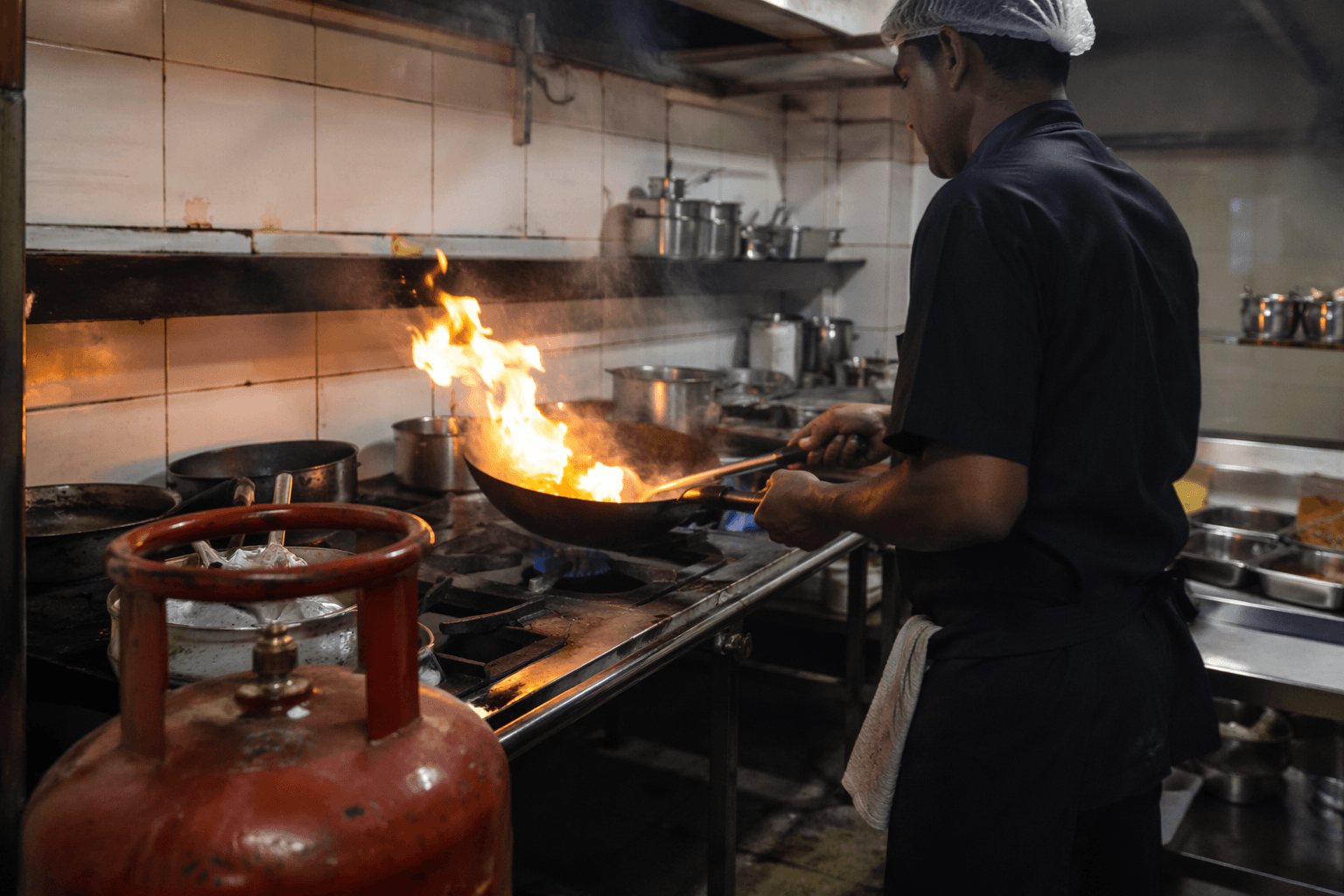
Restaurants brace for 2026 fights over fees, immigration and trade
Restaurants enter the 2026 political fight with a kitchen-table test: can lawmakers cut fees, calm immigration shocks and ease trade costs enough to keep shifts staffed?
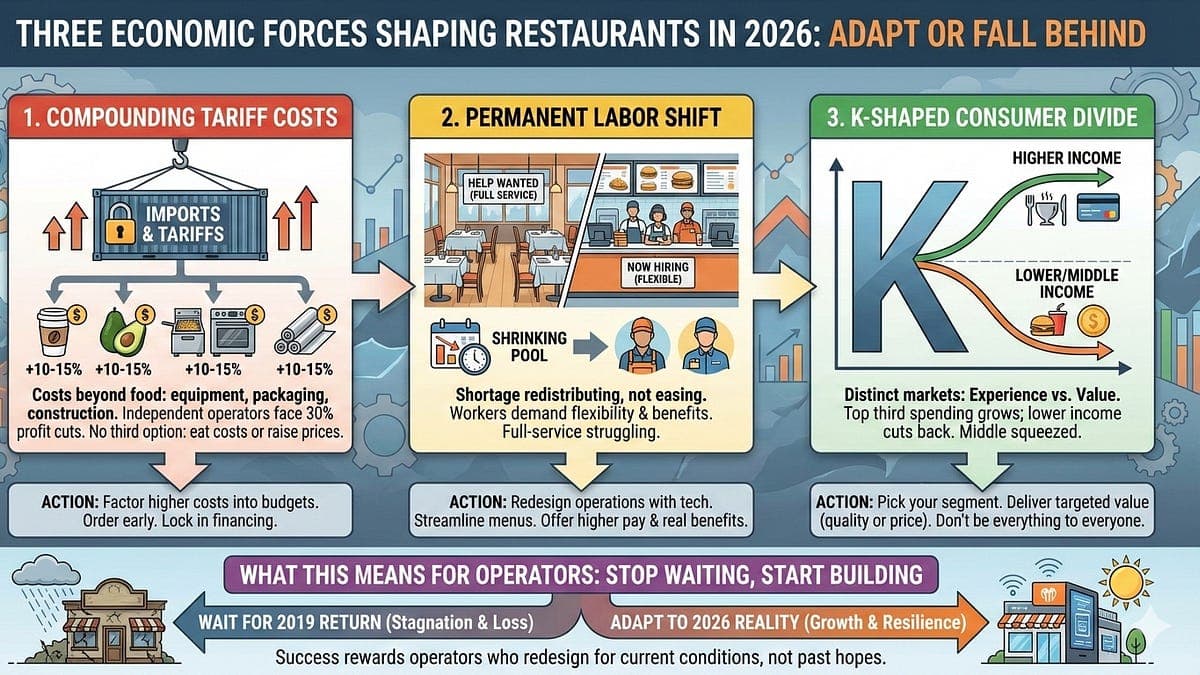
Independent restaurant owners are heading into 2026 with a simple test for every political promise: will it help them keep shifts filled, prices stable and the doors open? For line cooks, servers, bartenders, hosts and managers, the answer will show up long before Election Day in the schedule board, the labor budget and whether the next menu change comes with a higher price tag.
The National Restaurant Association and the Independent Restaurant Coalition are both telling policymakers that the next round of restaurant politics is not about abstractions. It is about immigration enforcement, swipe fees, delivery commissions, trade policy and the lack of market power that leaves independents with little room to absorb another cost increase. The association says stable trade policy, protections for immigrant workers and lower swipe fees will be central issues in 2026, and it has framed its own agenda around immigration reform, the Credit Card Competition Act and a strong USMCA renewal. The coalition, which formed in 2020 during the pandemic, says independent restaurants are facing "unprecedented strain," a phrase that matches what many owners have been saying since relief-era support gave way to a tighter, thinner-margin market.
Fees hit the floor first
Swipe fees and delivery commissions rarely get discussed on the line, but they shape almost everything that happens there. The restaurant association says processing credit card transactions are the third-largest operating expense for most restaurants, behind food and labor, and it says U.S. swipe fees have more than doubled over the past decade because just two companies control 80% of the credit card processing market. That matters because every extra point shaved off the top is money that cannot go toward prep help, equipment repairs, paid training or wage increases.
For workers, the effect is usually indirect but immediate. When fees rise, owners often respond by tightening labor budgets, delaying hires or leaning on smaller staffs to cover the same volume. That can mean fewer closing shifts, more split shifts, more double sections on the dining room floor and less room for the extra prep that keeps service smooth during a rush. In tip-heavy rooms, it can also intensify tension around tip pooling and pay equity, because the house is trying to make the numbers work while front-of-house and back-of-house workers are still competing for the same scarce dollars.
Delivery commissions add another layer of pressure. They can help fill seats and move food, but they also siphon off revenue from the same sales that owners use to fund labor and maintenance. For a small independent spot without chain-level buying power, those platform costs are not just a line item. They are part of the calculation that decides whether a restaurant can stay fully staffed or has to run lean and hope no one burns out.
Immigration policy is really staffing policy
The labor question is even more direct. The National Restaurant Association says nearly 1 in 4 restaurant workers was born outside the U.S., which is why immigration policy lands so hard in this industry. When enforcement becomes unpredictable, owners do not just worry about paperwork. They worry about who will feel safe showing up for a brunch shift, who will take the open-closing turnaround and whether the pool of candidates for prep, dish and line work gets even smaller.
That is why the policy split over immigration is not theoretical for restaurant workers. If a kitchen loses experienced hands, the replacement cost is more than a posting on a job board. Training falls on whoever is already stretched thin, service slows and the burden moves to the people still standing, often the most experienced cooks and servers who are already carrying too much. A climate of fear can also push restaurants toward fewer hours and more limited service, which hurts everyone from the host who gets fewer shifts to the bartender whose section is suddenly smaller.
The association says it wants immigration reform that protects long-serving employees and fixes the work-visa system. Independents have been even blunter about the need for stability. Their message to lawmakers is that restaurants cannot schedule, retain or grow when the labor supply is in constant flux.
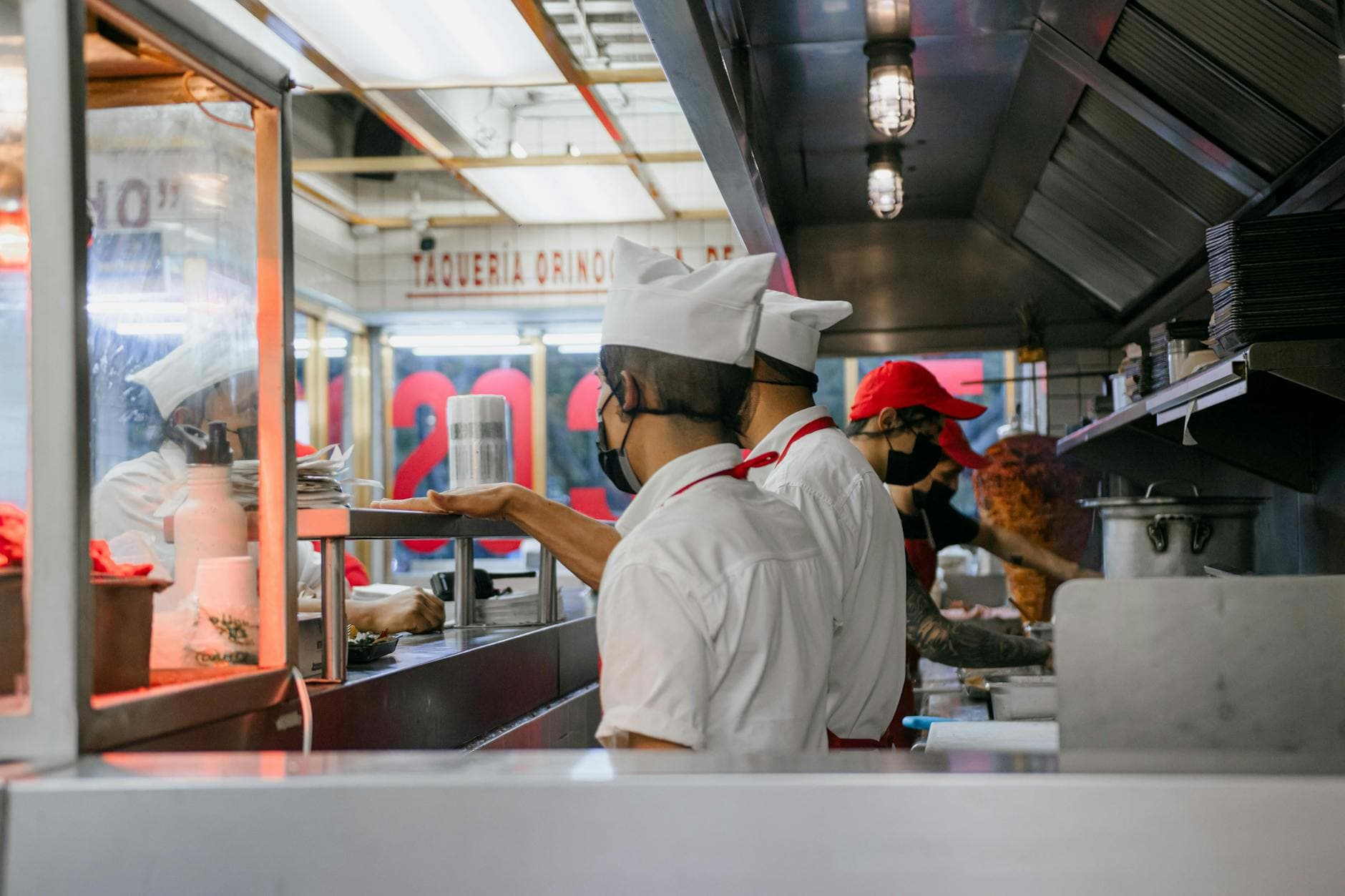
Trade and market power decide who gets squeezed
Trade may sound like a Washington issue, but for restaurants it often turns into a supply and pricing issue. The association wants a strong renewal of USMCA because operators care about whether ingredients, equipment and other inputs move predictably across borders. When trade policy wobbles, restaurant owners have less room to plan their food costs, and the first people to feel that volatility are the workers asked to do more with less when margins tighten.
Independent operators are also focused on market power, and for good reason. The Independent Restaurant Coalition urged Congress in January to pass the Credit Card Competition Act, and it has also called on the FTC to block Sysco’s proposed $29.1 billion acquisition of Restaurant Depot, arguing that the deal would reduce a key wholesale alternative for independents. That is not a niche antitrust fight. It is about whether small restaurants can shop around, negotiate fairly and avoid getting squeezed by a handful of dominant players in payments and supply.
The coalition’s stance reflects its founding moment. Born in 2020 amid the pandemic, it still sees itself as a watchdog for operators that do not have chain-scale leverage or deep legal benches. When the group talks about policy failures and market abuses, it is talking about the gap between a restaurant that can absorb a hit and one that cannot.
What 2026 could look like inside the restaurant
The stakes are bigger than one budget cycle. The National Restaurant Association’s 2026 State of the Restaurant Industry report projects total restaurant and foodservice sales of $1.55 trillion in 2026 and says operators are expected to add more than 100,000 jobs. But it also warns that persistent cost pressures and a cooling labor market will keep challenging margins, which means the headlines about growth can coexist with a very tight reality on the floor.
For workers, that reality shows up in the basics. If fees keep rising and enforcement stays unpredictable, owners are more likely to trim hours, delay raises, reduce side work or shift to simpler menus and fewer service periods. If lawmakers ease those pressures, independents may have more room to hire, keep schedules steadier and invest in retention instead of constant triage. That matters in a business where burnout and turnover are already part of the culture, and where the difference between a good week and a bad one is often whether the restaurant can keep enough people on the clock to run service without chaos.
In a tipping model, that pressure can also reopen old fights over minimum wage, tip pooling and pay equity between front and back of house. The 2026 debate will be fought in speeches, hearings and campaign ads, but the real verdict will come from the floor plan. If policymakers get the economics wrong, workers will feel it in shorter schedules, fewer tips and more empty gaps in the roster. If they get it right, the payoff will be quieter but more valuable: a restaurant that can stay staffed, keep faith with the people working there and survive long enough to make next month’s payroll.
This article was produced by Prism’s automated news system from verified source data, official records, and press releases, then run through automated quality and moderation checks before publishing. The system is built and supervised by the people who set the standards it runs under. Read our full AI policy.
Did this article answer your question?