Restaurants Face Overtime Risk as Long Weeks Push Pay Higher
A restaurant schedule can look safe and still trigger overtime once the real hours are counted. Split shifts, late closings, and tipped pay math are where wages and claims get lost.
How overtime gets missed on the floor
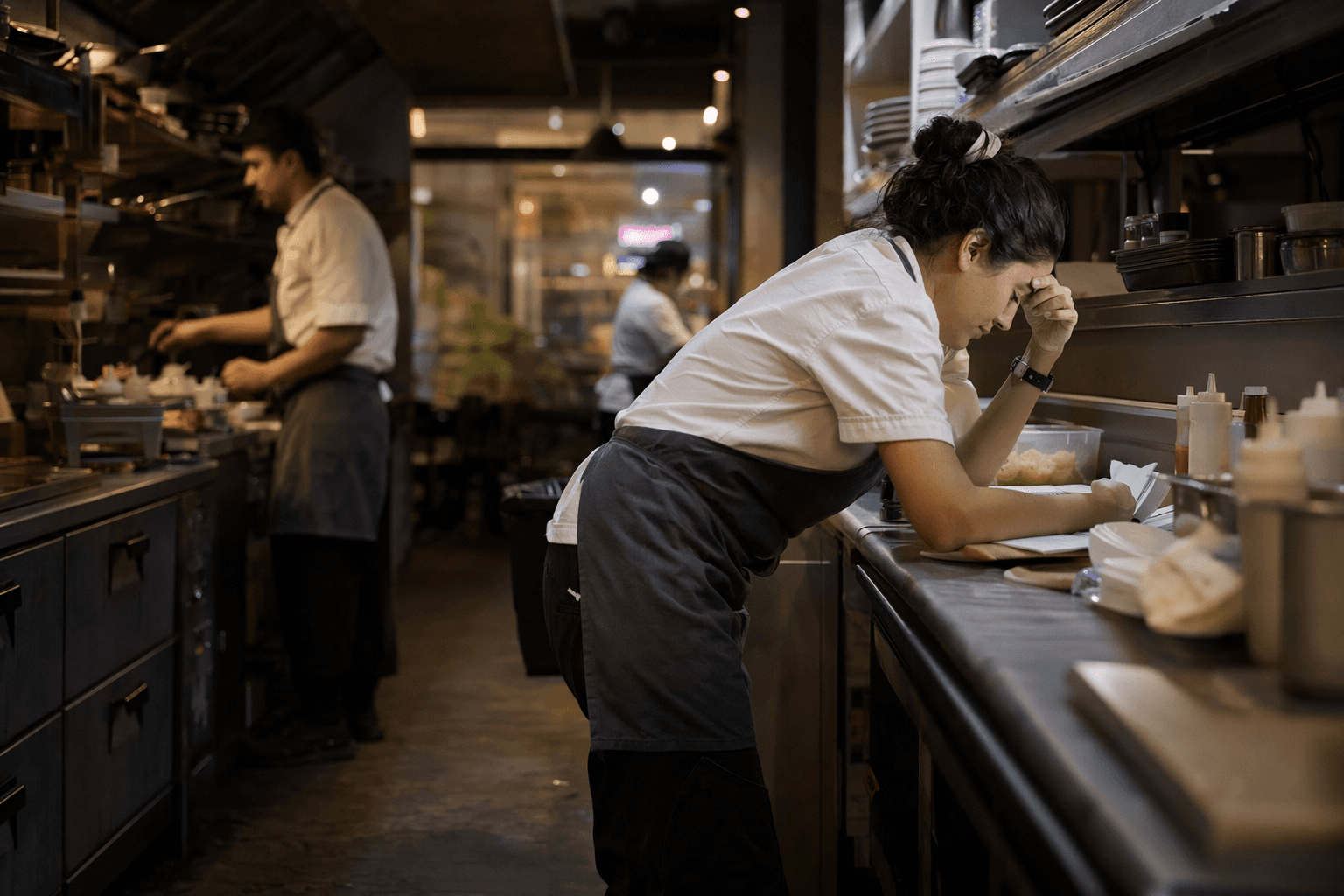
The overtime mistake usually starts with a harmless-looking week: a brunch shift that runs long, a dinner close that drags past midnight, then a last-minute call asking someone to cover a banquet or clean up after a no-show. By the time payroll catches up, the week can be over 40 hours and the extra money is no longer optional.
Under the Fair Labor Standards Act, covered nonexempt employees generally must be paid one and one-half times their regular rate after 40 hours in a workweek. Federal law does not add extra pay just because the shift landed on a Saturday, Sunday, holiday, or regular day off. In restaurants, that distinction matters because schedules are built around split shifts, double shifts, weekend rushes, and special events that can hide the real total until the end of the week.
For workers, the key is simple: a long week can be worth more than a long day. For operators, the risk is equally simple: if timekeeping is loose, overtime errors can turn into wage claims fast. The Department of Labor says many restaurant workers are protected by minimum wage and overtime rules, and restaurants and fast-food businesses with annual gross sales of at least $500,000 are generally subject to the FLSA.
Where the math goes wrong
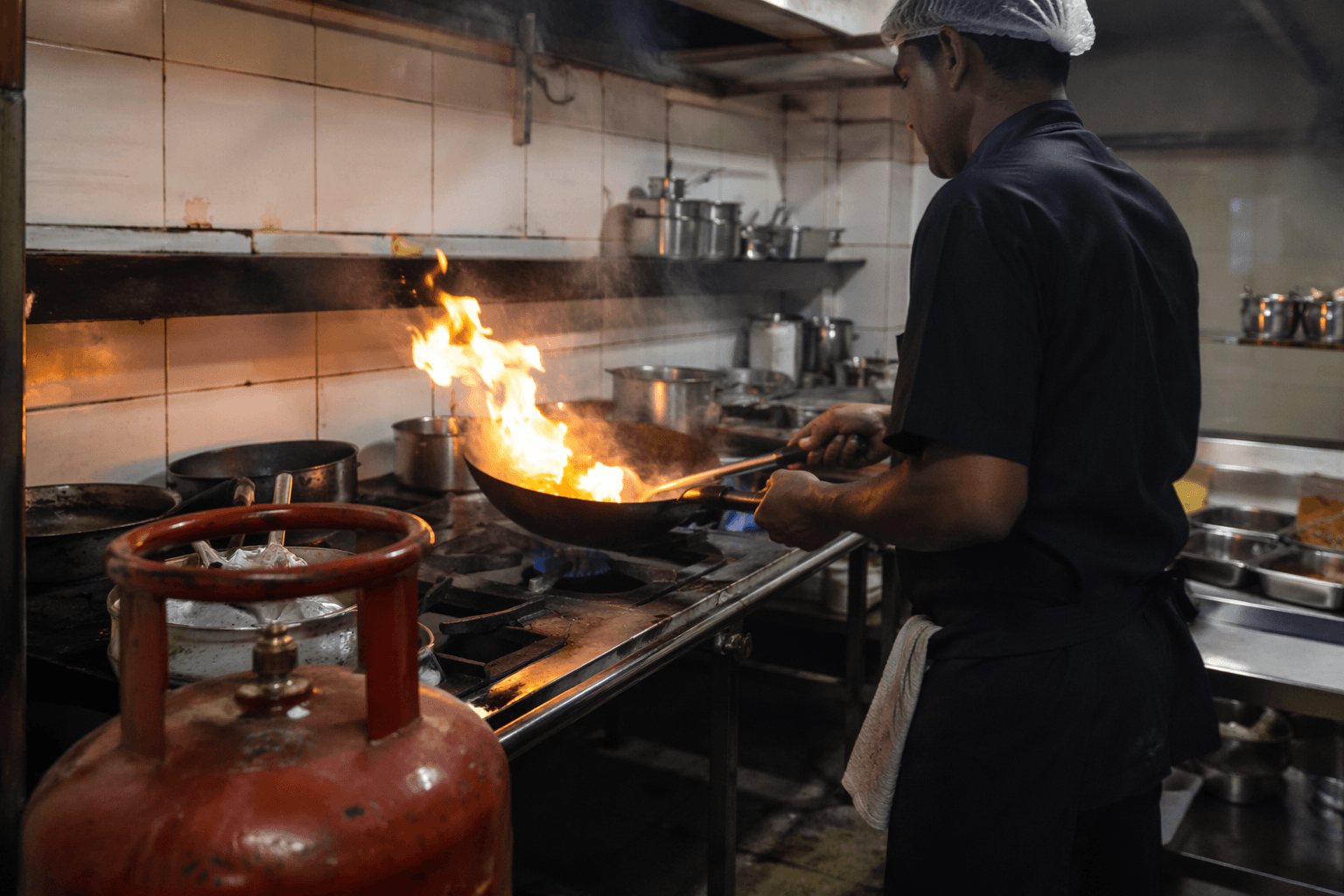
Restaurants do not usually lose overtime because someone intended to cheat the system. They lose it when hours get scattered across schedules and nobody reconciling payroll sees the whole picture. A server can work a lunch shift, get sent home, come back for a late dinner, then stay after close to restock and clean. A line cook can pick up an extra banquet shift and then be asked to finish closing duties after the rest of the team has clocked out.
That is the kind of week that creates wage risk in real time. The schedule on the wall may show separate blocks, but the law looks at the total hours actually worked in the workweek. If those hours cross 40, overtime is due, even if no single shift looked excessive when it was posted.
The regular rate can also be harder to calculate than many managers realize. The Department of Labor says bonuses can affect the regular rate used to calculate overtime, which means the math is not always a simple hourly wage multiplied by 1.5. In a business with thin margins and constant turnover, that complexity is exactly where missed pay and expensive back pay claims begin.
Tipped work adds another layer
Tipped employees face a version of this problem that is easy to overlook in front of house and back of house pay conversations. Under the FLSA, a tipped employee is generally someone who customarily and regularly receives more than $30 a month in tips. Employers can take a tip credit toward minimum wage and overtime obligations, but that does not remove the overtime requirement.
For tipped workers, the regular rate for overtime is based on total remuneration divided by the hours actually worked in the workweek. That matters on weeks when tips, hourly wages, and longer shifts all interact. A bartender covering a busy weekend, a server taking a banquet, or a worker splitting time between service and side work can all run into a payroll problem if management is not tracking every punch accurately.
The best protection on the worker side is a paper trail. Keep personal records of clock-in, clock-out, and break times so you can compare them with the employer's numbers. A line cook like Terence Trotter or a bartender like Paula Ruffin can have the same problem: one missed punch or one late cleanup can shift the whole week's pay.
State rules can be stricter than federal law
Federal overtime law is only the floor. The Department of Labor's restaurant compliance materials make clear that some states add extra rights and protections, and that is where restaurant payroll gets even more complicated.
California is one of the clearest examples. Nonexempt employees generally earn overtime after more than eight hours in a workday or more than 40 hours in a workweek, with double time in some cases. That means a California shift can become overtime long before the federal 40-hour threshold is reached.
New York has its own hospitality rules as well, including a spread-of-hours payment when the workday is longer than 10 hours in restaurants and all-year hotels. State agencies such as the California Department of Industrial Relations and the New York State Department of Labor add another layer of compliance that managers cannot ignore. A schedule that barely clears the federal line may still trigger extra pay in California or New York.
That is why a restaurant in Kansas or Honolulu, Hawaii, still has to understand the federal baseline, but a location in California or New York has to build around state-specific rules too. The same lunch-to-close grind can mean different payroll exposure depending on where the dining room sits.
Why enforcement keeps coming back
The Department of Labor has repeatedly shown that restaurant overtime problems are not theoretical. In July 2024, it said it recovered $172,000 for 21 restaurant workers in Richmond, Virginia, after finding unpaid overtime for non-exempt kitchen salaried workers. In December 2024, it recovered $125,000 in back wages and damages for 53 workers at three Chicago-area restaurants who had been denied overtime.
The agency also said in November 2023 that it recovered $11.4 million in back wages and damages for more than 1,000 employees of the Plaza Azteca restaurant chain. In November 2024, it said it recovered $87,000 for 21 workers at a New Port Richey, Florida, restaurant that had denied minimum wage and overtime. Taken together, those cases show the same pattern: overtime mistakes in food service are usually not small, isolated payroll glitches. They are recurring compliance failures with real financial consequences.
The Wage and Hour Division has also said it recovered more than $29 million in back wages for food service workers nationwide in fiscal year 2023. It points employers to compliance resources, and to the PAID program if they discover past wage mistakes. That matters because once the hours are missed, the correction is no longer just an accounting adjustment. It becomes a labor issue, a legal issue, and often a morale issue in a business already dealing with burnout, staffing gaps, and high turnover.
What to watch on every schedule
- Count the whole workweek, not just the shift
- Flag split shifts, banquet work, and closing cleanup
- Recheck weeks with bonuses or tipped pay
- Compare manager schedules against actual punches
- Keep break records and end-of-shift notes
Restaurants run on speed, improvisation, and people stretching to cover one more rush. That is exactly why overtime gets missed so often. The paycheck consequences fall on workers first, but the claims land on operators, and the safest restaurants are the ones that treat every hour like it can turn into money.
This article was produced by Prism’s automated news system from verified source data, official records, and press releases, then run through automated quality and moderation checks before publishing. The system is built and supervised by the people who set the standards it runs under. Read our full AI policy.
Did this article answer your question?