Restaurants Offer Weekends Off, Babysitting Help to Attract Workers
Some restaurants are now promising weekends off and babysitting help, a sign that pay alone no longer fixes hiring and retention in a brutal labor market.

Restaurants are pushing far past the old playbook of hourly pay, free meals and vague promises of advancement. To fill shifts, some operators are now offering weekends off, access to babysitters and other perks that would have sounded unrealistic a few years ago.
That matters because the pain points in restaurant work are still the same ones that drive people out: evenings, holidays and weekends on the schedule, unpredictable hours and a home life that has to bend around closing shifts. For line cooks, servers, bartenders, hosts and managers, a slightly higher wage does not solve the real problem if child care falls through or every Saturday is spent on the floor.
The new benefits are aimed directly at that pressure. More predictable scheduling can make a restaurant job fit around school pickup, elder care or a second job. Child care help can keep a parent from missing work when a sitter cancels. A weekend off is not a luxury in this business, it is a rare form of stability in an industry built on the assumption that workers will always be available when everyone else is free.
The shift also says something about the labor market itself. Restaurants are no longer competing only on pay; they are competing on whether the job is sustainable. That raises the bar for retention, especially in places where staffing shortages and burnout have already made the old promises less persuasive. If an operator cannot offer a better life outside the kitchen or dining room, the raise alone may not be enough to keep a strong crew together.
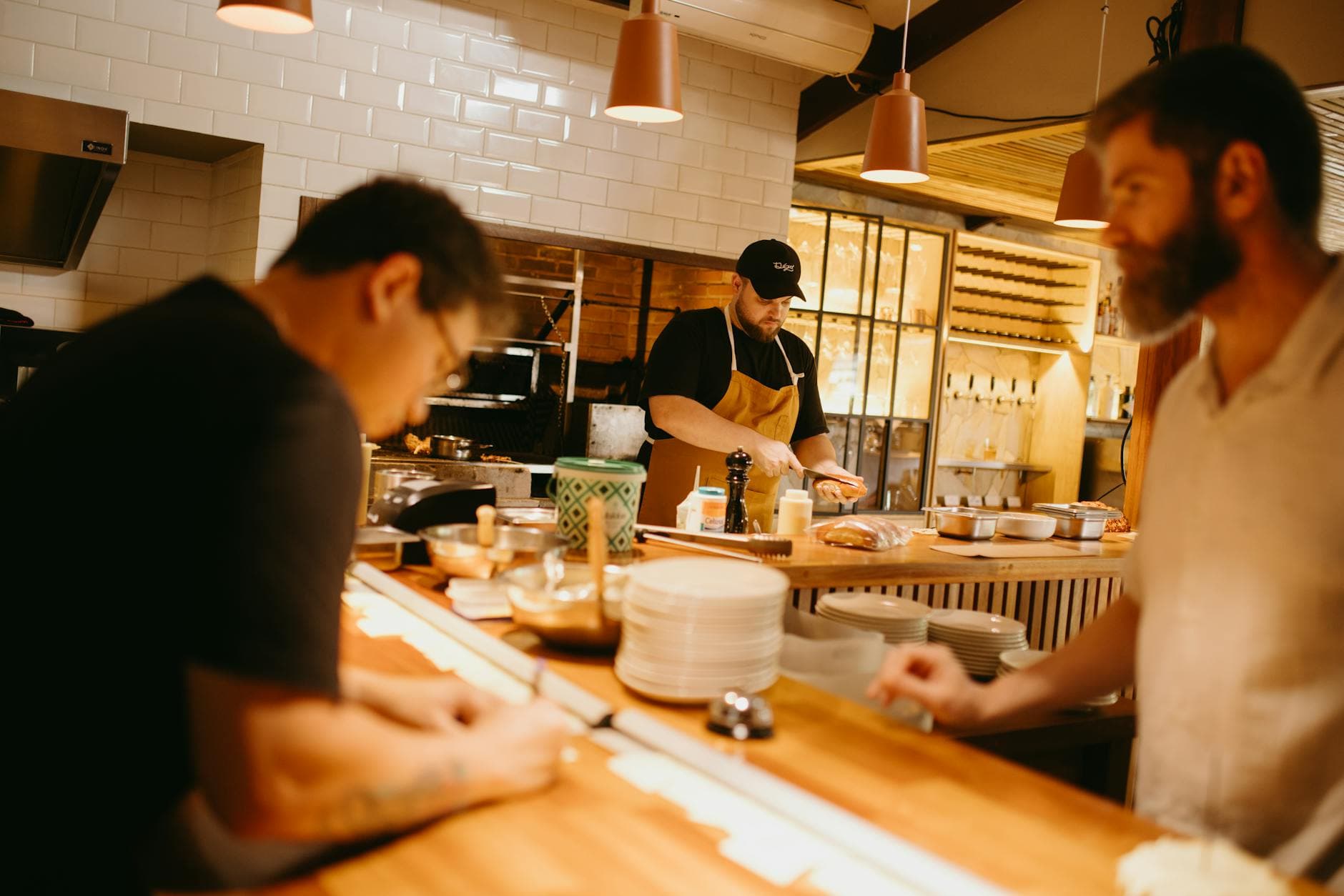
A free meal is still a perk. But it does not pay for babysitting, and it does not replace a weekend with family. That is why these newer benefits stand out: they attack the parts of restaurant work that make turnover so stubborn.
For managers, the message is blunt. Keeping people now takes more than filling the board and posting a sign in the window. It requires thinking like an HR department as much as a scheduler. For workers, the test is simpler. The restaurants that can make the job livable may be the ones that can finally keep experienced staff long enough to build a career.
This article was produced by Prism’s automated news system from verified source data, official records, and press releases, then run through automated quality and moderation checks before publishing. The system is built and supervised by the people who set the standards it runs under. Read our full AI policy.
Did this article answer your question?