Seattle Chipotle employee lawsuit targets last-minute schedule changes
A Seattle Chipotle worker’s lawsuit put last-minute shift changes back under the city’s strict scheduling rules, where missed notice can trigger predictability pay and bigger wage claims.
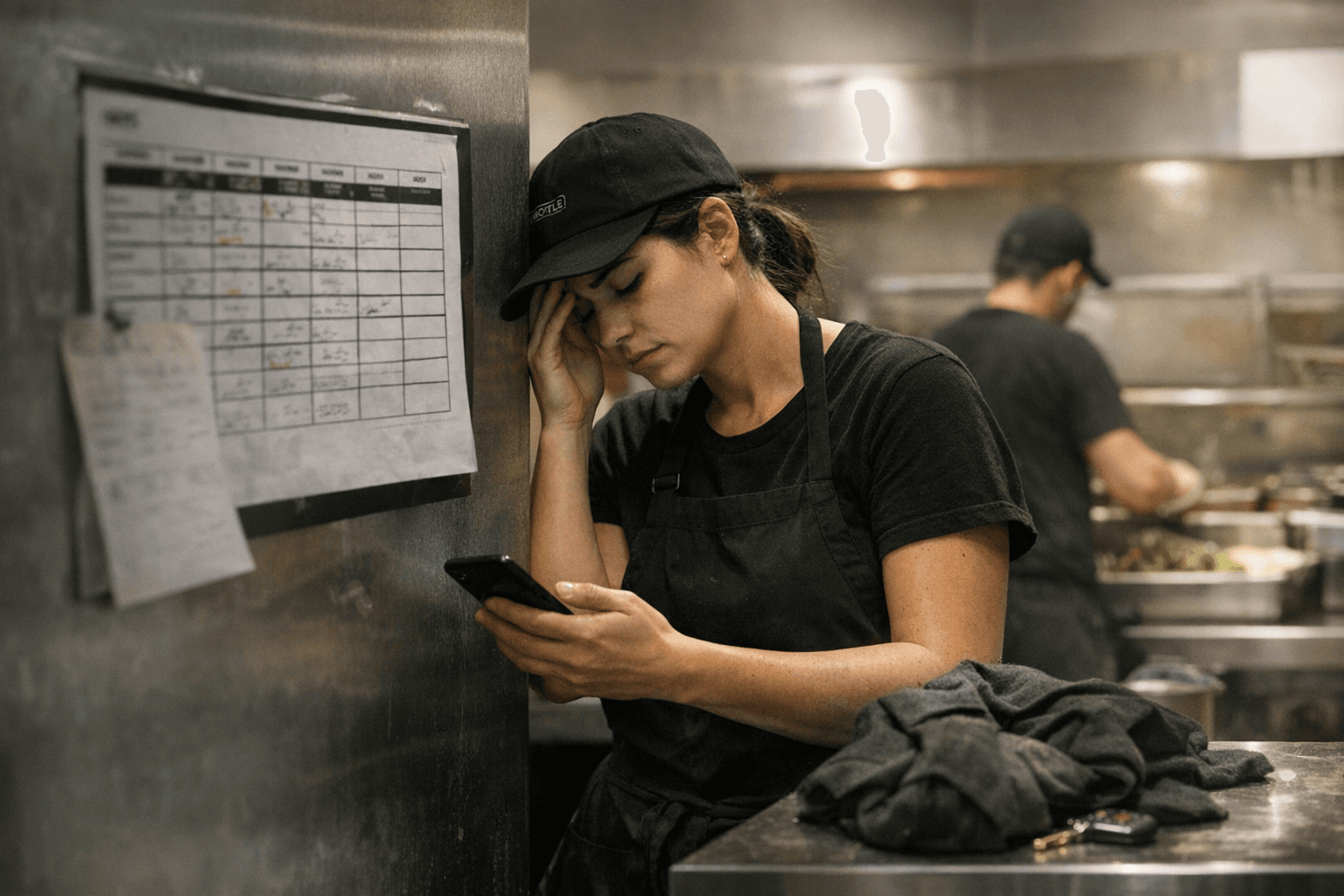
A Seattle Chipotle employee’s lawsuit put the chain’s shift-swapping practices back under one of the country’s toughest restaurant scheduling laws. The complaint, filed in Washington state court on April 13, sought to represent current and former non-exempt Chipotle workers at Seattle locations going back to 2023.
The case turned on a simple but costly question for hourly staff: when managers move shifts without enough notice, who pays for the disruption? Seattle’s Secure Scheduling Ordinance, which took effect July 1, 2017, requires covered food-service employers to give workers schedules at least 14 days in advance, pay predictability pay when shifts are changed on short notice, and provide enough rest time between shifts. For restaurant employees, that can mean the difference between a workable week and one that blows up childcare, transit plans, school pickup, second-job shifts, and weekly budgets.
The lawsuit lands in a city where scheduling compliance is already a live issue for big chains. Chipotle previously agreed to a nearly $3 million settlement over alleged paid leave and scheduling violations in Seattle, and the Seattle Office of Labor Standards said that deal was the largest under the Secure Scheduling Ordinance since the law took effect. That history raises the stakes for other restaurant operators watching the case from the sidelines: in Seattle, schedule changes are not just an internal management decision, they are a regulated labor practice.
The city’s Wage Theft Ordinance, which took effect April 1, 2015, adds another layer of risk. It requires employers to pay all compensation owed on a regular payday no later than once a month, including overtime. Under Washington law, employers may also face double damages for certain wages unlawfully withheld under RCW 49.52.070, which can turn missed pay into a far more expensive dispute than a simple back-wage correction.
For restaurant managers, that makes the lawsuit more than a one-off grievance over a few bad schedules. In a business that often adjusts labor around sales swings and manager discretion, Seattle’s rules force chains to build scheduling systems that actually work in practice. For workers, the case is a reminder that predictability is now part of the pay package, and when a shift changes at the last minute, the cost can fall on the employer, not the employee.
This article was produced by Prism’s automated news system from verified source data, official records, and press releases, then run through automated quality and moderation checks before publishing. The system is built and supervised by the people who set the standards it runs under. Read our full AI policy.
Did this article answer your question?