St. Augustine restaurant cited for no sick-worker policy, multiple violations
Inspectors found De Leon open with no sick-worker reporting system, no written health policy and eight high-severity violations.
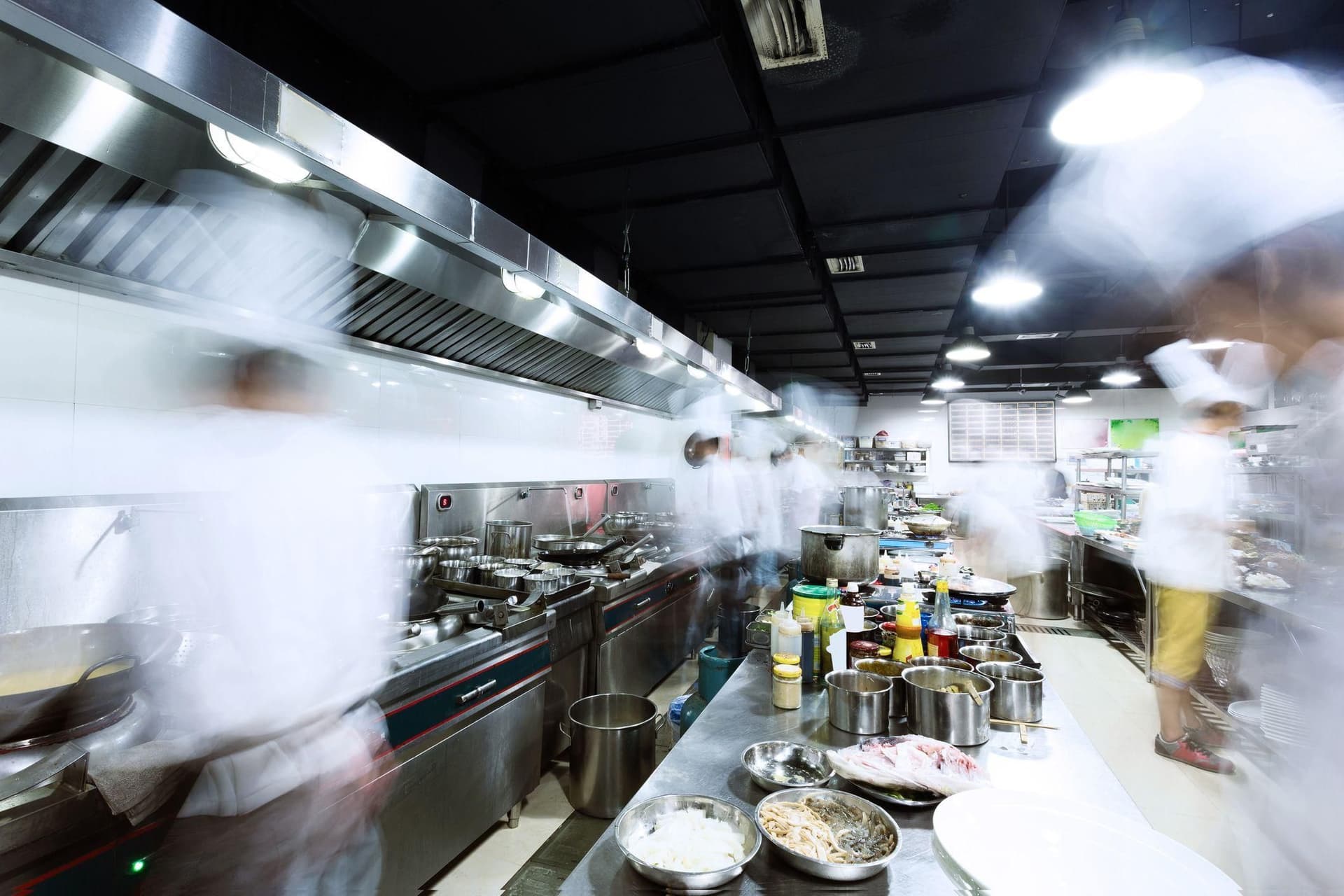
At De Leon on 1111 N. Ponce de Leon Blvd. in St. Augustine, state inspectors found a restaurant still open even as they documented no system for workers to report illness symptoms, no written employee health policy and a person in charge of food safety who was absent or not effectively doing the job.
The April 22 inspection did not shut the restaurant down. It did, however, turn up eight high-severity violations and six intermediate violations, putting the kitchen’s basic controls under a brighter light than many diners ever see.
For restaurant workers, the biggest issue is not paperwork for its own sake. A written sick-worker policy tells line cooks, servers, bartenders and dish staff when to stay home, who to notify and which symptoms mean no shift. Without that, the burden shifts onto hourly staff to guess how serious a fever, stomach bug or other symptom needs to be, often while feeling pressure to keep the line moving and the room covered.
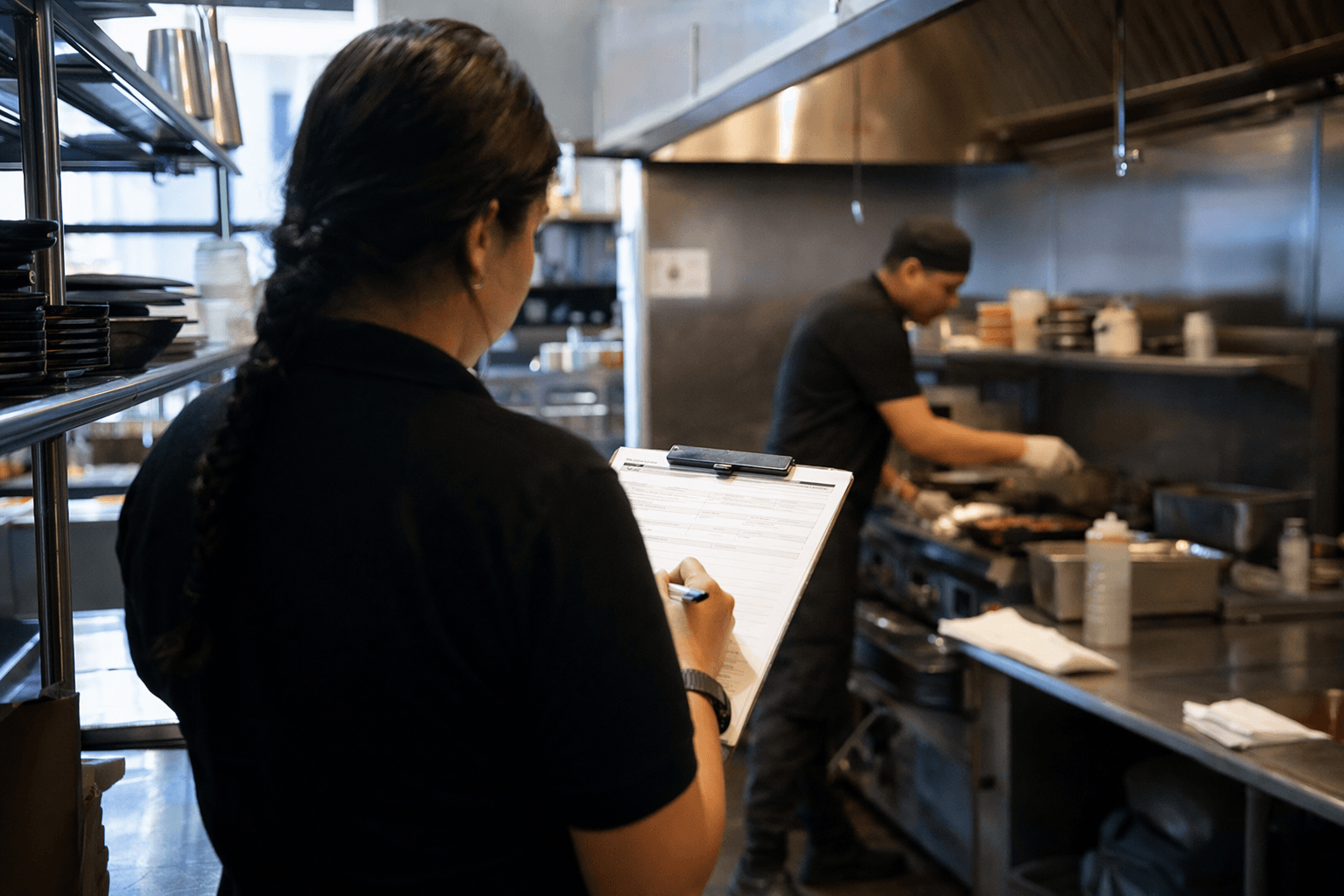
That kind of ambiguity is exactly what food-safety rules are meant to prevent. Florida Department of Health guidance says managers and those in charge of public food service establishments are required to monitor employee health and know how to respond when a worker reports illness or symptoms. The Centers for Disease Control and Prevention says restaurants should create or strengthen written policies that require food workers to report when they are sick and spell out which symptoms should keep them from working.
Florida’s food-safety oversight is split among the Department of Agriculture and Consumer Services, the Department of Business and Professional Regulation and the Department of Health, a structure that makes the manager’s role especially important on the floor. The state’s inspection materials treat employee-health-policy and employee-health-reporting failures as high-priority violations, underscoring that this is not a minor administrative miss.
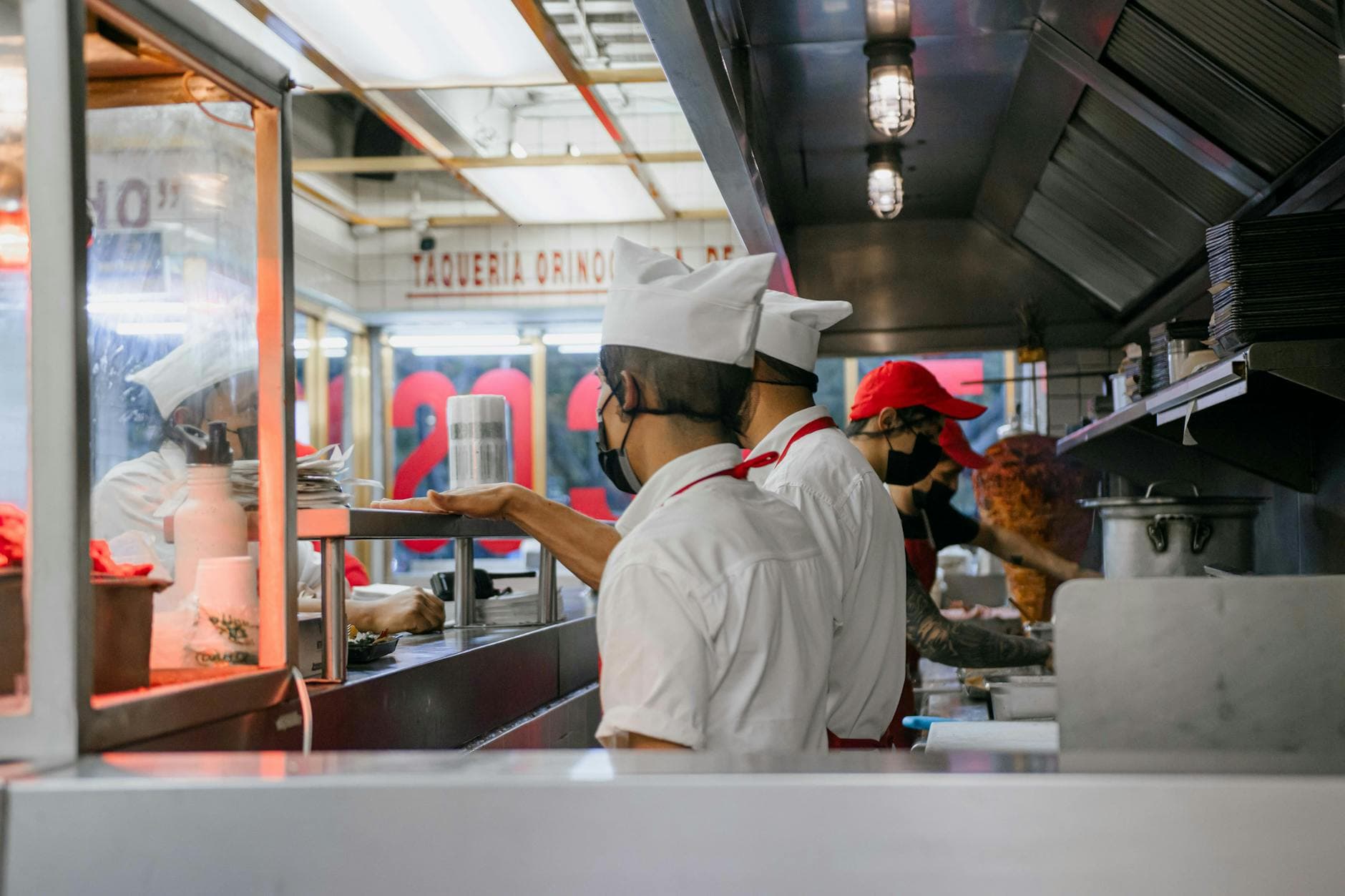
The De Leon case also landed in a broader enforcement pattern. Florida Food Safety reported 13 restaurants across the state were cited for personnel hygiene failures in a single seven-day stretch ending April 26, including five where workers were cited for failing to report symptoms of illness. That puts St. Augustine’s findings in a larger context: restaurants can stay open while inspectors flag the exact gaps that determine whether sick employees are kept off the line or left to work through it.
CDC data says more than half of U.S. foodborne-illness outbreaks are associated with restaurants, delis, banquet facilities, schools and other institutions. For workers and managers alike, the message from the De Leon inspection was blunt: when illness rules are vague or missing, the risk does not stay in the office. It reaches the pass, the prep table and every plate that leaves the kitchen.
Know something we missed? Have a correction or additional information?
Submit a Tip