Steak ‘n Shake switches to 100% grass-fed beef chainwide
Steak ‘n Shake said all its steakburgers now use grass-fed, grass-finished beef, a costly sourcing shift that could test prices, supply and crew consistency.
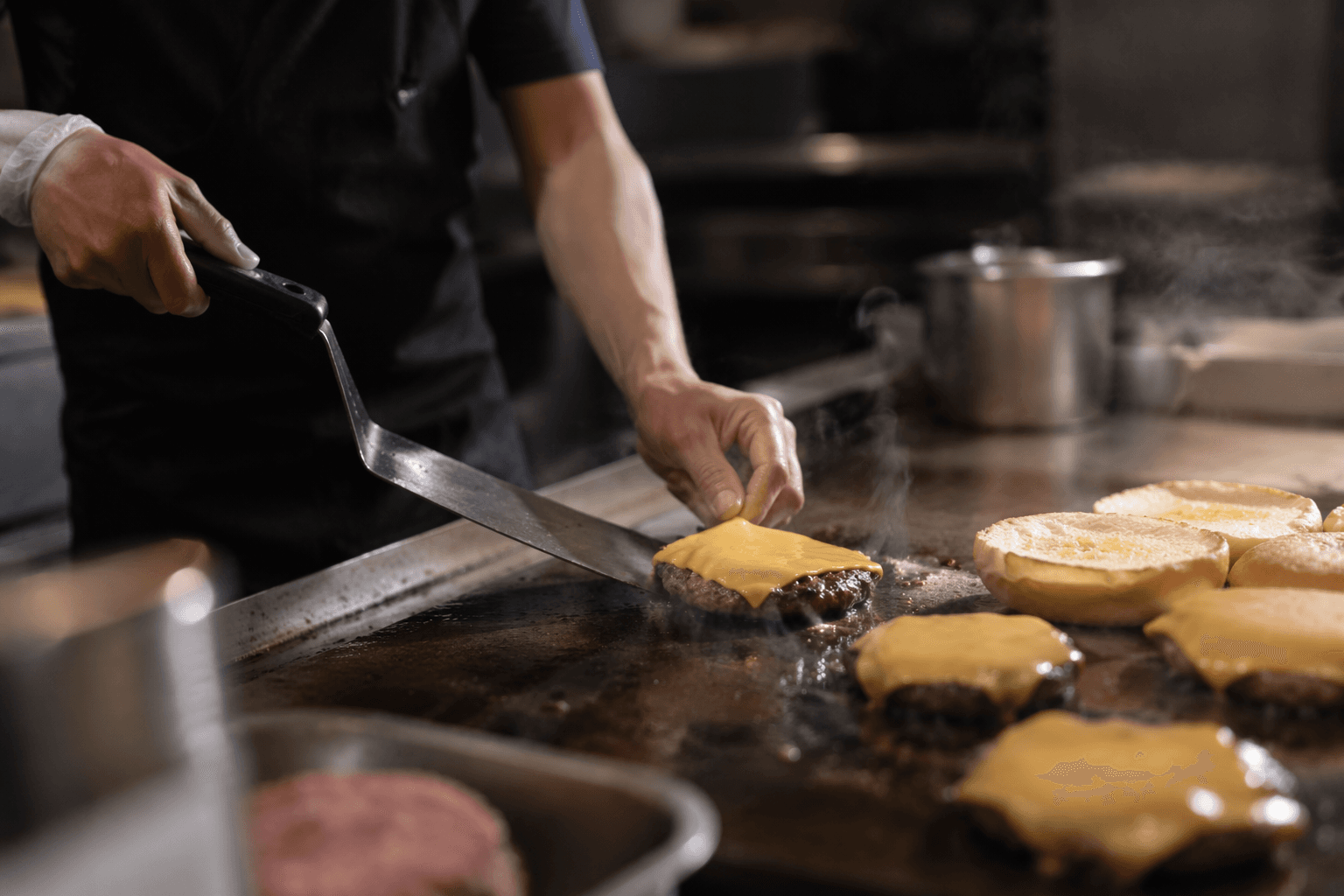
Steak ‘n Shake has pushed its burger program into premium territory, switching its steakburgers to 100% grass-fed and grass-finished beef chainwide. The company said the change took effect June 1 and that the beef comes from pasture-raised cattle with no antibiotics or hormones added.
For store crews, the bigger question is not the slogan but the execution. A chainwide move to a more expensive, tightly specified protein can change how managers talk to staff about receiving, storage and guest expectations, especially when the brand is also wrapping the rollout into its “Make America Healthy Again” push and naming Michael Boes as chief MAHA officer. Steak ‘n Shake already moved fries to beef tallow earlier in 2025, and chairman and CEO Sardar Biglari has said the company has pursued “expensive natural ingredients” as part of its turnaround.
The sourcing change lands in a market that is already tight. The U.S. Department of Agriculture’s June 2026 outlook lifted its forecast for the 2026 slaughter steer price to $250.16 per hundredweight. In January, USDA said the nation’s beef cow herd stood at 27.6 million head, down 1% from a year earlier, while total cattle and calves fell to 86.2 million head, a 75-year low. USDA also says grass-fed beef is generally more expensive to produce than grain-fed beef, and its National Grass Fed Beef Report tracks wholesale and retail prices for grass-fed cuts alongside retail comparisons to commodity beef.
That matters on the floor because a premium ingredient shift can ripple through the rest of service. If the chain passes through higher input costs, cashiers and shift leaders are the ones who hear about burger prices first. If it absorbs the cost, operators will feel pressure to protect margins elsewhere, which can show up as tighter labor scheduling, more scrutiny on waste, or faster pressure to keep ticket times down with a more expensive product.
There is also a labeling wrinkle that can affect how the story is explained to guests. USDA withdrew its old official grass-fed standard in 2016, and grass-fed claims are now reviewed through Food Safety and Inspection Service documentation and label approval. That makes the claim less simple than it sounds, even as Steak ‘n Shake moves to a version of the burger that multiple outlets have described as the first chainwide 100% grass-fed, grass-finished program at a major American burger chain. The company has not publicly disclosed its exact supplier mix, leaving the real test to the restaurants now serving it.
This article was produced by Prism’s automated news system from verified source data, official records, and press releases, then run through automated quality and moderation checks before publishing. The system is built and supervised by the people who set the standards it runs under. Read our full AI policy.
Know something we missed? Have a correction or additional information?
Submit a Tip