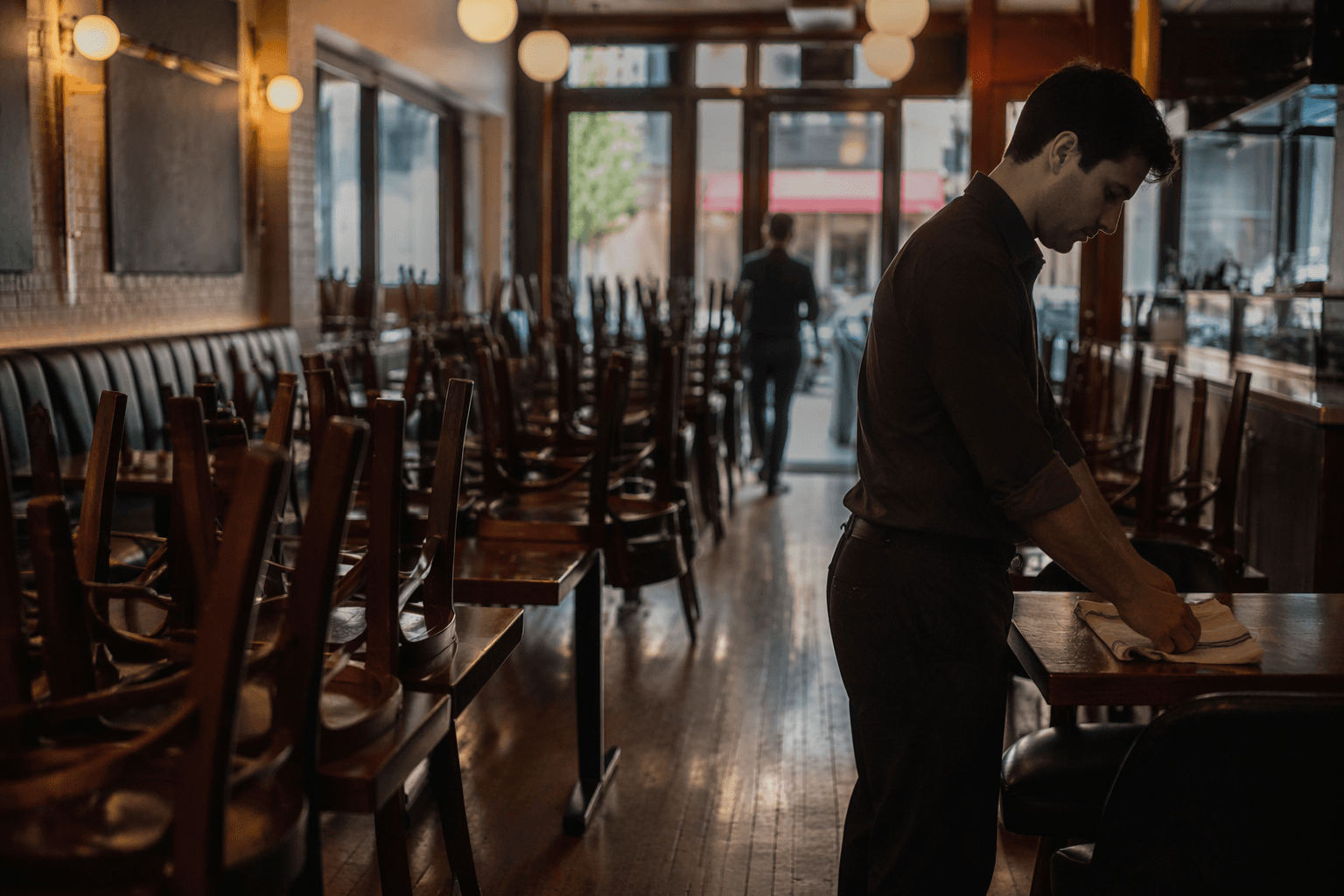
U.S. restaurants face dishwasher shortage amid immigration crackdowns
A North Carolina owner said immigration arrests left his kitchens short of dishwashers for two weeks. Across the industry, that kind of gap can slow service, strain sanitation and pull managers off the floor.
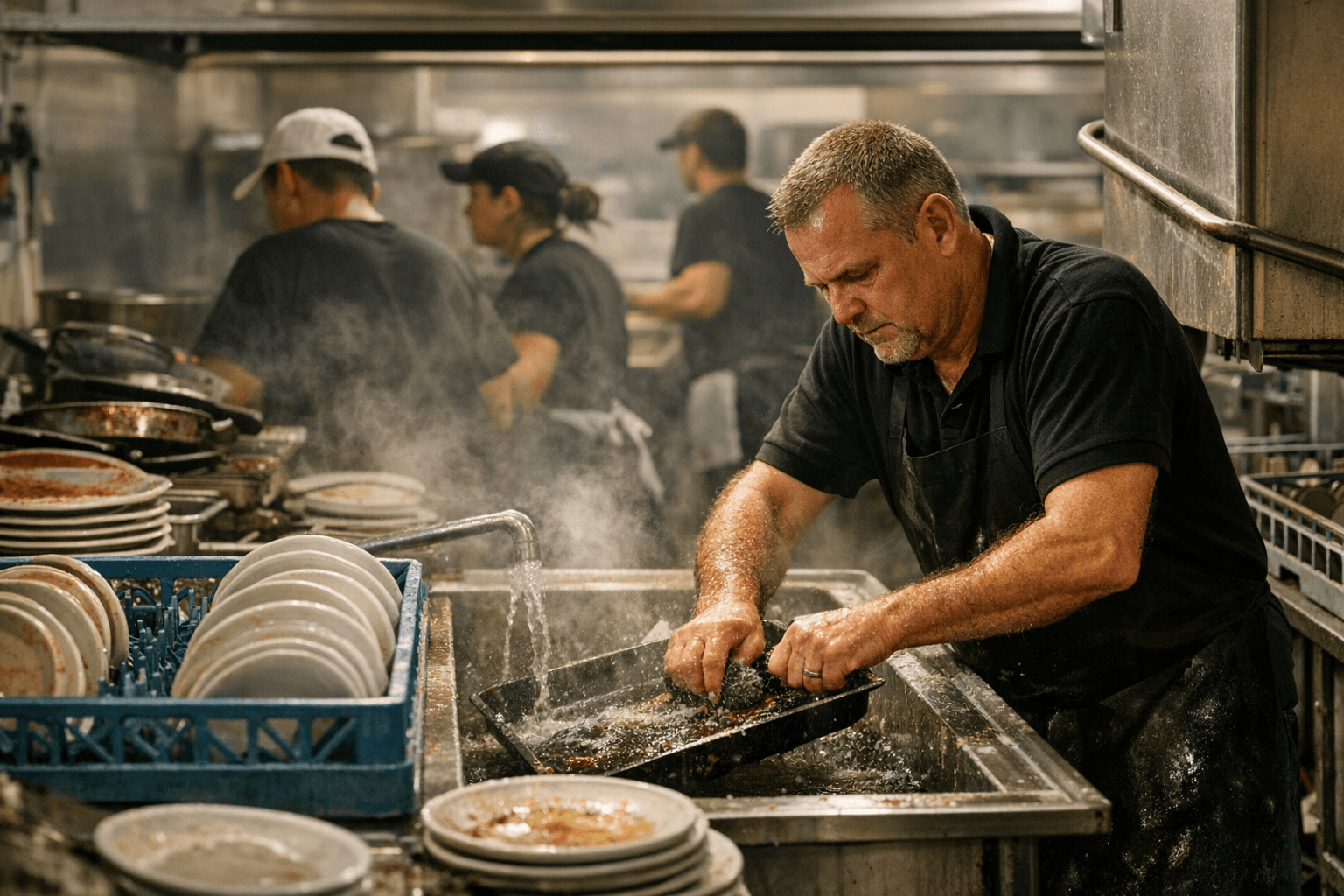
David “Woody” Lockwood said his North Carolina restaurants spent two weeks short of dishwashers, prep cooks and servers after a federal immigration crackdown in November 2025 pushed workers to stay home. In a business where clean plates, cutting boards and stock pots are the invisible gear that keeps a dining room moving, losing the dish pit is not a side problem. It is usually the first place the whole shift feels it.
That is why restaurant operators are treating immigration enforcement as more than a legal or political issue. The National Restaurant Association says the industry provides about 15.7 million U.S. jobs, roughly 10% of the workforce, and immigrants make up more than 20% of restaurant and foodservice workers. The group has described a labor gap of 689,000 workers, a reminder that many restaurants are still running with thinner crews than before the pandemic.
When dishwashers are missing, the damage shows up fast. Dirty racks back up, servers wait longer for silverware and glassware, and line cooks can run out of the pans and utensils they need to keep tickets moving. Managers who should be handling labor, ordering and the floor often end up scrubbing, bussing or helping in the kitchen just to keep service from slipping. That can mean slower table turns and more pressure on sanitation, especially in full-service operations where labor already eats a big share of sales.
The shortage is hitting a part of the workforce that restaurants have long relied on. A National Restaurant Association data brief says foodservice workers are three times more likely to be under age 25 than the overall U.S. workforce, but teens are not filling the gap the way they once did. Dishwashing and prep work are physically demanding, repetitive and often pay too little to compete with other options, which makes turnover high and recruiting even harder.
The pressure is not limited to North Carolina. Restaurants in Washington, D.C. have reported renewed immigration-related audits and detentions, adding to weak tourism and other headwinds. Trade groups including the National Restaurant Association and the Restaurant Law Center have warned that policy changes and enforcement actions can disrupt staffing and profitability, while independent restaurant advocates say immigrant workers remain the backbone of back-of-house jobs in states such as California, Texas and New York.
The economics are already tight. Among full-service restaurants, salaries and wages, including benefits, accounted for a median 36.5% of sales in 2024. With the industry forecast to reach $1.5 trillion in sales in 2025 and add about 200,000 jobs, the question is not just who gets hired next. It is whether restaurants can keep the dish room full enough to stay open at full speed.
This article was produced by Prism’s automated news system from verified source data, official records, and press releases, then run through automated quality and moderation checks before publishing. The system is built and supervised by the people who set the standards it runs under. Read our full AI policy.
Did this article answer your question?