White Castle expands automated Crave & Go kiosks to 1,000 locations
White Castle is betting on 1,000 kiosks in campuses, hospitals and workplaces, turning sliders into a distributed food network far beyond its restaurants.
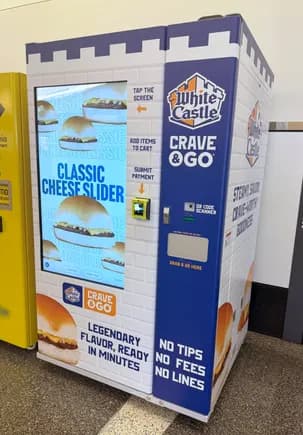
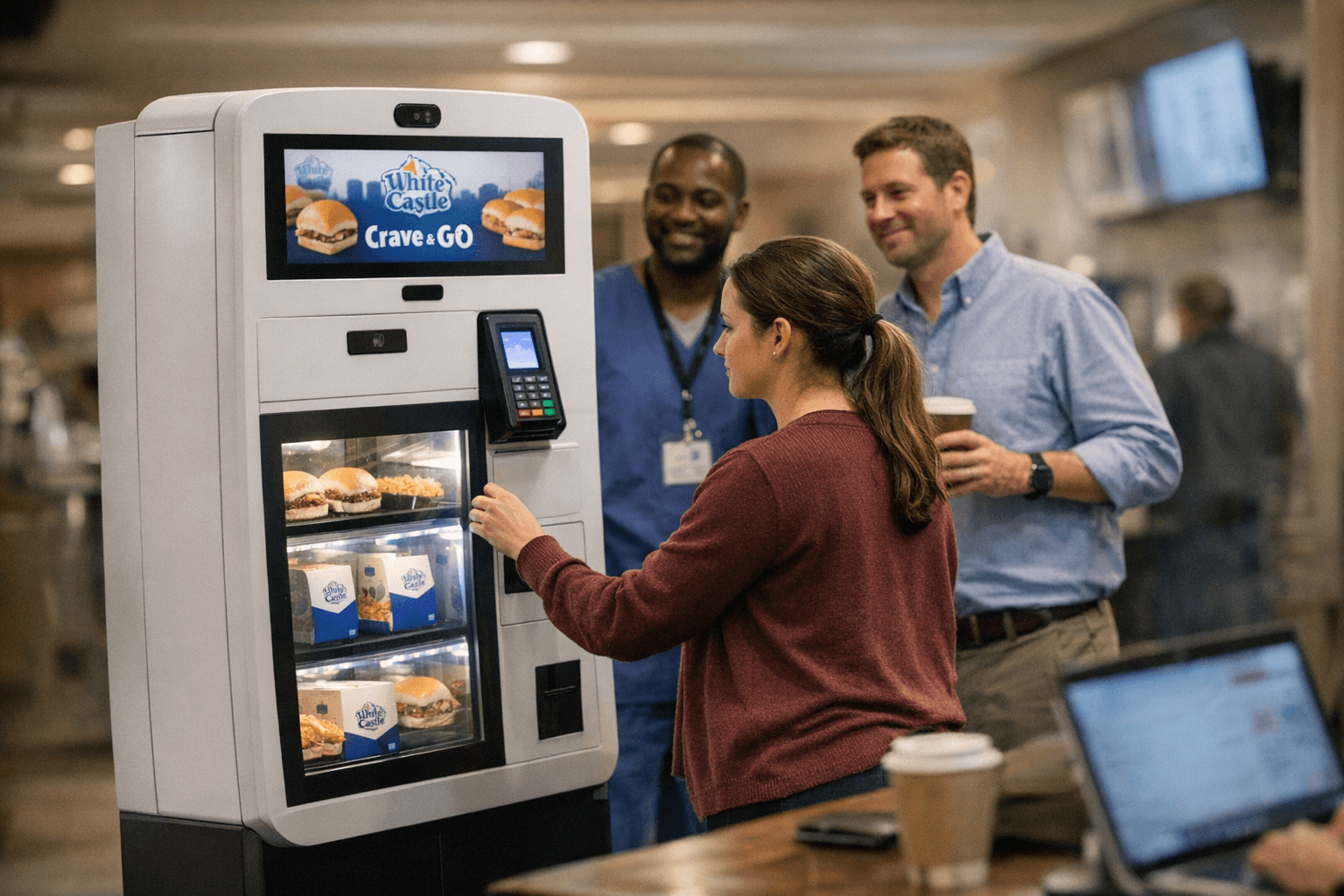
White Castle is pushing its sliders into hospital lobbies, campus food courts and workplace break rooms through an exclusive automated kiosk deal that starts with 1,000 locations. The company said the Crave & Go rollout with Automated Retail Technologies, LLC is already underway and should accelerate through 2026 as more sites come online.
The kiosks are meant for places a full-size restaurant cannot easily serve, including campuses, hospitals, workplaces, colleges, healthcare systems, corporate campuses and transportation hubs. White Castle said the units prepare hot, ready-to-eat sliders on demand, a move that makes the brand look less like a fixed-chain restaurant and more like a distributed food service operation built for high-traffic spaces.
For restaurant workers, the bigger story is not whether a kiosk can take an order. It is how much labor gets shifted around it. A network like this still needs people to restock product, monitor temperatures, clean machines, resolve guest problems and keep food safe in places where there may be no full crew on site. That can create new work in maintenance and remote site management, but it can also mean fewer front-counter and cashier shifts than a traditional expansion would have added.
White Castle’s chief marketing officer, Jamie Richardson, said the partnership is meant to let the company meet consumers “on campuses, in hospitals and at workplaces.” ART founder David Chessler said the point is to make White Castle favorites available in places where a traditional restaurant may not be available. ART’s Just Baked platform is already deployed in colleges, healthcare systems, corporate campuses and transportation hubs, giving White Castle a ready-made path into those off-site environments.
The kiosk push extends a brand that has spent years layering automation onto a century-old identity. White Castle says Billy Ingram founded the family business in 1921 with $700 and an idea, and that the chain has grown to nearly 350 restaurants and about 10,000 team members. The company also calls itself the world’s first fast-food hamburger chain and says it was the first to sell its sliders in freezer aisles nationwide.
White Castle has been testing a more automated future inside its restaurants, too. In October 2025, it opened its Castle of Tomorrow prototype in Columbus, Ohio, at 1025 Alum Creek Drive, with Flippy, Julia AI, self-order kiosks, a double drive-thru and a mobile-order pickup window. In September 2025, Great Place To Work and Fortune ranked White Castle No. 18 on the Best Workplaces in Retail list, a reminder that the chain is pairing a public image of workplace culture with an aggressive automation strategy.
Know something we missed? Have a correction or additional information?
Submit a Tip