South Korea police raid Starbucks Korea headquarters over promo scandal
Police raided Starbucks Korea’s Seoul headquarters over its “Tank Day” promo, escalating a scandal already hurting card spending and putting stores under sharper scrutiny.
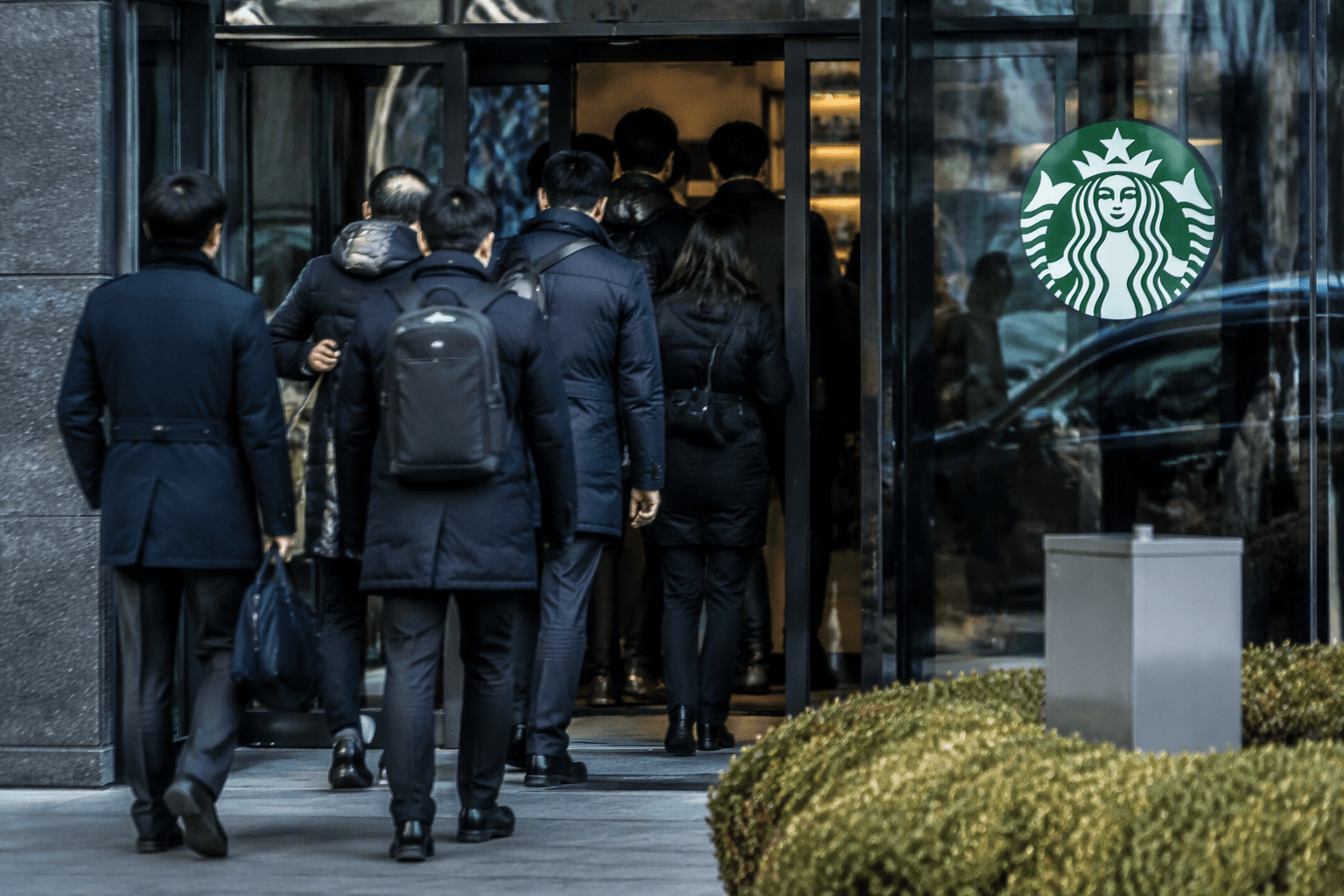
Police raided Starbucks Korea’s headquarters in Seoul and seized materials on August 5 in a compulsory investigation tied to the company’s controversial “Tank Day” promotion. The search centered on allegations that officials insulted victims of the 1980 Gwangju pro-democracy protests, a fight that has already spilled beyond headquarters and into the company’s store-level reputation.
The Seoul Metropolitan Police Agency’s Metropolitan Investigation Unit Public Crime Investigation Division carried out the search at Starbucks Korea’s offices in the Centerfield building in Yeoksam-dong, Gangnam District. One warrant reportedly cited insult charges, and police were trying to determine whether the campaign’s planning involved intent. Korea JoongAng Daily said this was the first compulsory investigative measure in the case, which authorities opened about two months earlier after a civic group filed criminal complaints against Shinsegae Group chairman and related officials.
For Starbucks Korea managers and supervisors, the immediate issue is no longer just public criticism of a promotion. A headquarters raid usually means more document checks, more internal questions about who approved what, and more attention on how the company handled the event from planning through rollout. The controversy has also left the brand carrying reputational baggage into stores, where workers are often the ones who field customer complaints, explain promotions, and absorb the fallout when headquarters mistakes land on the floor.
The political sensitivity matters too. The Korea Times said the controversy evoked painful memories of the military suppression of the May 18 pro-democracy uprising, which is why the reaction has not faded nearly three months after the promotion first sparked national backlash. Aju Press said the issue continued to haunt Starbucks Korea and Shinsegae Group in the weeks that followed. In a market where brand perception can shift quickly, that kind of backlash does not stay abstract for long: it can shape traffic, customer hostility, and the tone of day-to-day work behind the counter.
The business damage was already showing before the raid. A Korea Herald report on August 4 said Starbucks had been dethroned in card spending after the Tank Day campaign, with Twosome Place taking the lead and Mega Coffee moving up behind it. For Starbucks workers in South Korea, that means the scandal is now doing two things at once: putting senior leadership under police scrutiny and creating fresh pressure inside stores where staff still have to sell the brand, keep service moving, and answer for a promotion that backfired far beyond the marketing team.
This article was produced by Prism’s automated news system from verified source data, official records, and press releases, then run through automated quality and moderation checks before publishing. The system is built and supervised by the people who set the standards it runs under. Read our full AI policy.
Did this article answer your question?