Starbucks links worker benefits and community impact in 2025 report
Starbucks paired $200 million in coffee sustainability with up to 18 weeks of parental leave, as workers weigh whether the story matches store life.

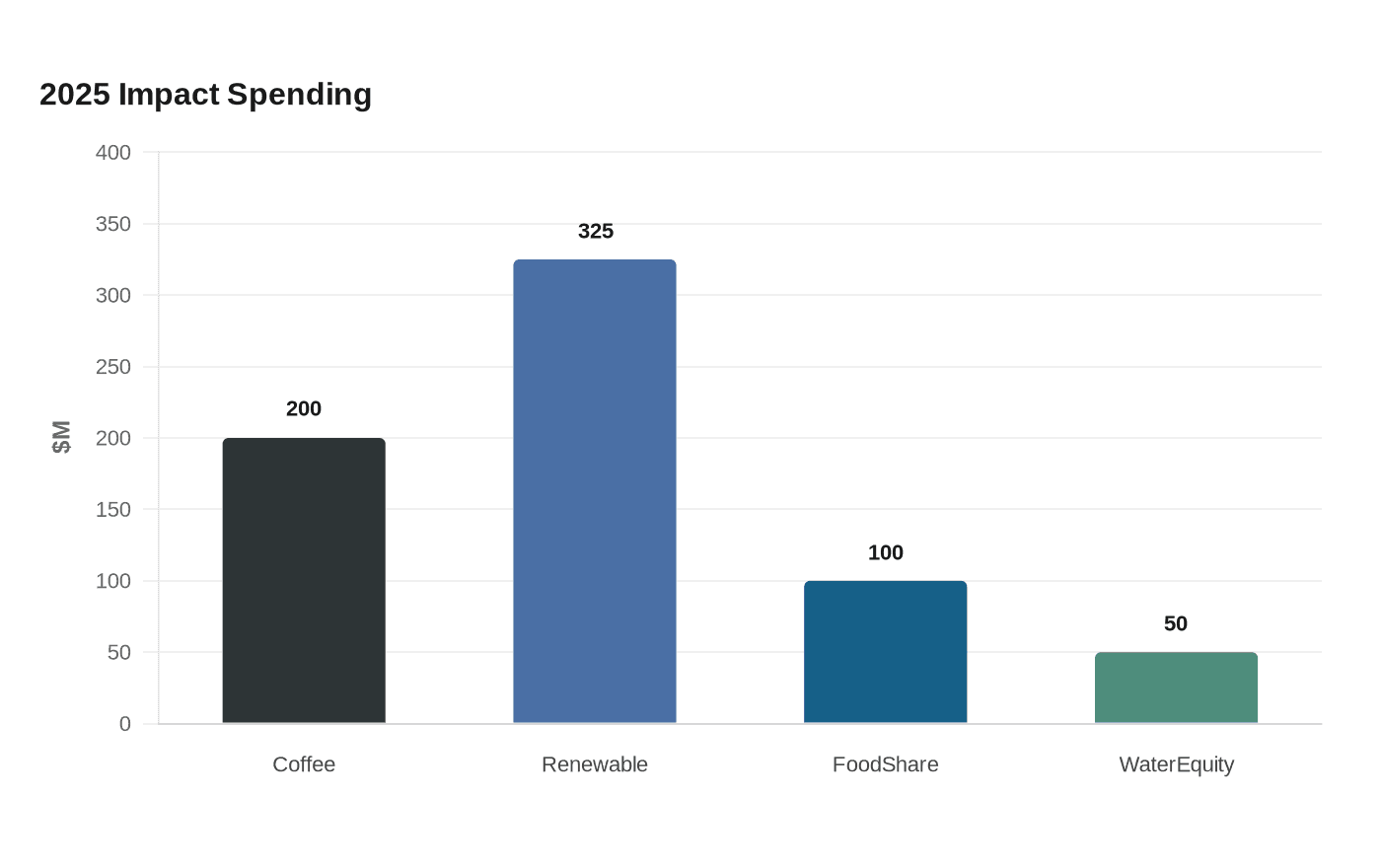
Starbucks put about $200 million into coffee sustainability, more than $325 million into renewable energy projects, more than $100 million into FoodShare hunger relief and $50 million into WaterEquity funds in its Fiscal 2025 Global Impact Report.
Starbucks expanded paid parental leave to up to 18 weeks for U.S. retail partners, and 2,800 partners graduated debt-free through the Starbucks College Achievement Plan in fiscal 2025. That brought the total to nearly 20,000 graduates as of May 2026. Hourly partners working 20 or more hours a week receive total pay and benefits valued at more than $30 per hour, including healthcare, stock awards, a paid college degree and flexible leave.
FoodShare delivered more than 16 million meals in fiscal 2025 and nearly 122 million meals since 2016, and Starbucks had already met its $100 million hunger-relief and food-waste-reduction goal five years ahead of schedule. More than 700,000 people in coffee-growing communities have gained better access to water and sanitation, and its tree program has hit a goal of donating 100 million coffee trees that began in 2017 in El Salvador, Guatemala and Mexico. Starbucks plans to add another 50 million trees in Ethiopia, Tanzania, Indonesia, Colombia, Costa Rica and Honduras.
Starbucks sourced more than 99% of its coffee from farms and supply chains meeting C.A.F.E. Practices standards and completed deployment of more than $100 million in Global Farmer Fund financing to smallholder farmers. Scope 1 and 2 market-based greenhouse gas emissions fell 17% from fiscal 2019, even as its overall emissions footprint rose 7% because of value-chain emissions. Starbucks is evaluating a more focused set of goals, including deforestation- and conversion-free sourcing for strategically sourced coffee and cocoa by the end of 2026 and a 50% absolute reduction in scope 1, 2 and 3 emissions by the end of 2030 using fiscal 2019 as the baseline.
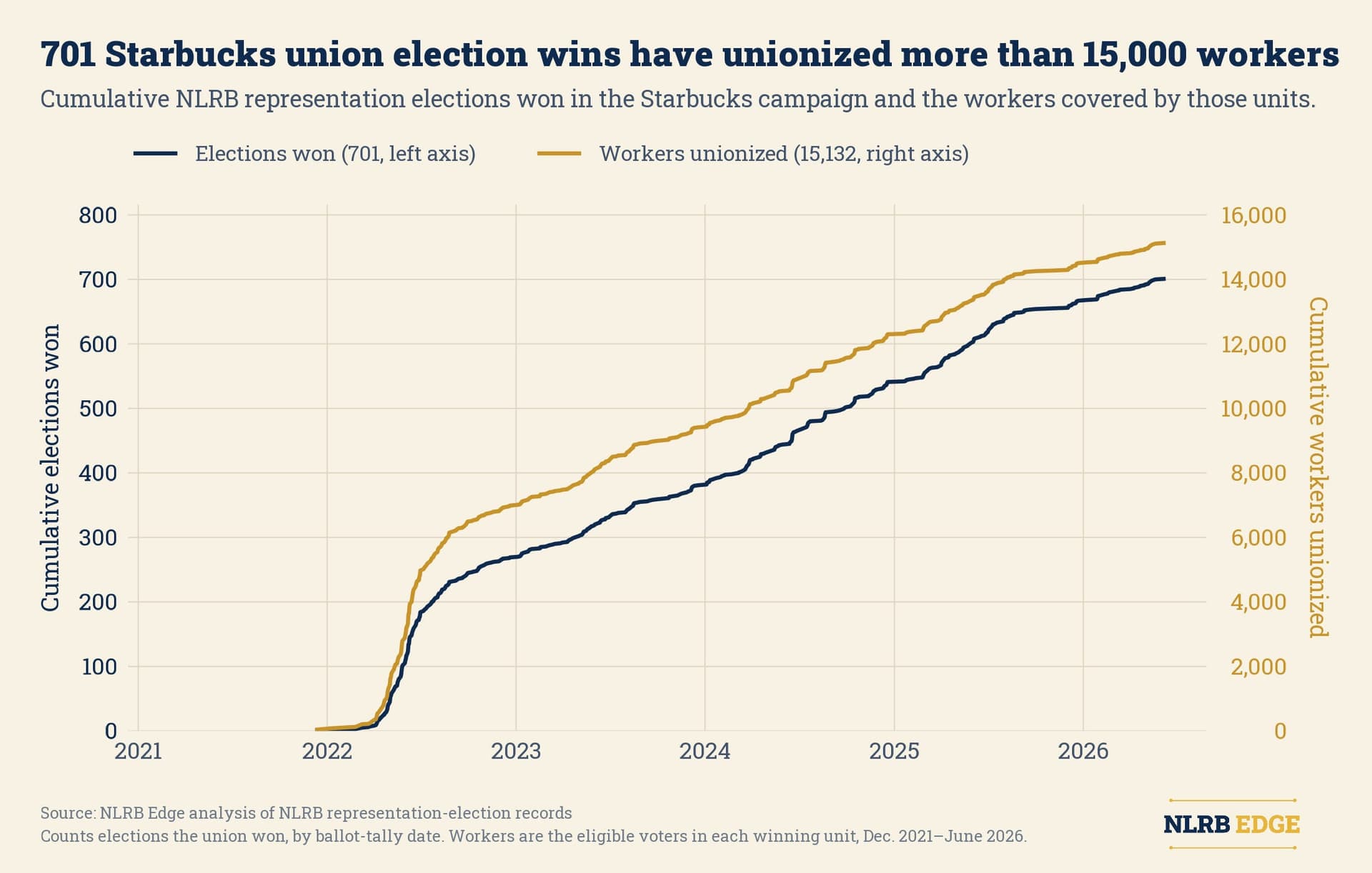
Starbucks Workers United represents about 6% of Starbucks’ company-owned U.S. stores, and bargaining has remained strained. Starbucks’ board dissolved its Environmental, Partner and Community Impact Committee in November 2025, after the panel was created in 2023 under shareholder pressure and a vote that forced the company to hire an outside auditor to review labor relations. Starbucks said, “our actions drive growth, resilience and efficiency, creating value for partners (employees), customers and shareholders.”
This article was produced by Prism’s automated news system from verified source data, official records, and press releases, then run through automated quality and moderation checks before publishing. The system is built and supervised by the people who set the standards it runs under. Read our full AI policy.
Did this article answer your question?