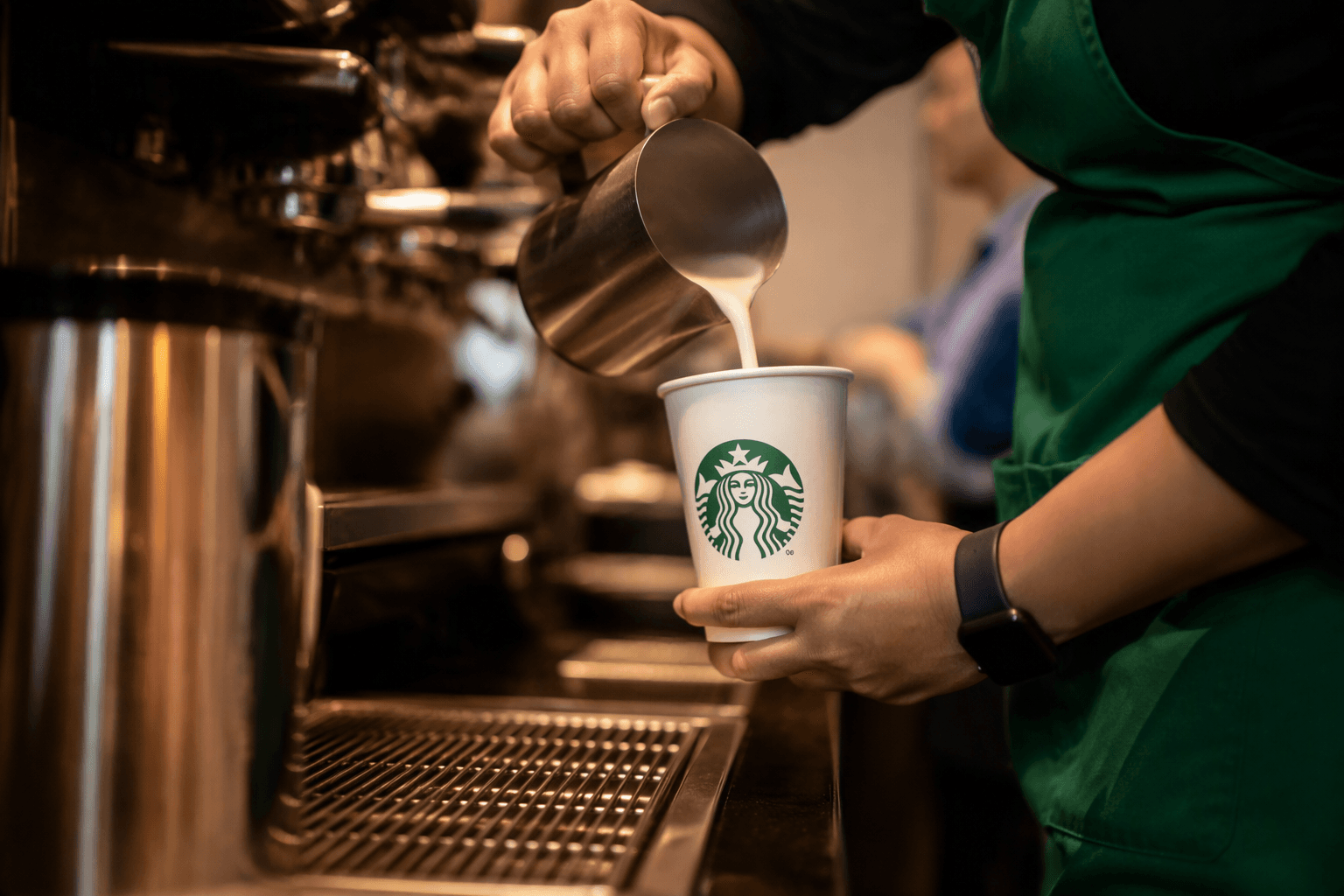
Starbucks workers say new blending powder is making them cough
Baristas said a silica-based powder in Blended Refreshers was making them cough and giving them sore throats, and Starbucks Workers United pushed for bargaining over the rollout.
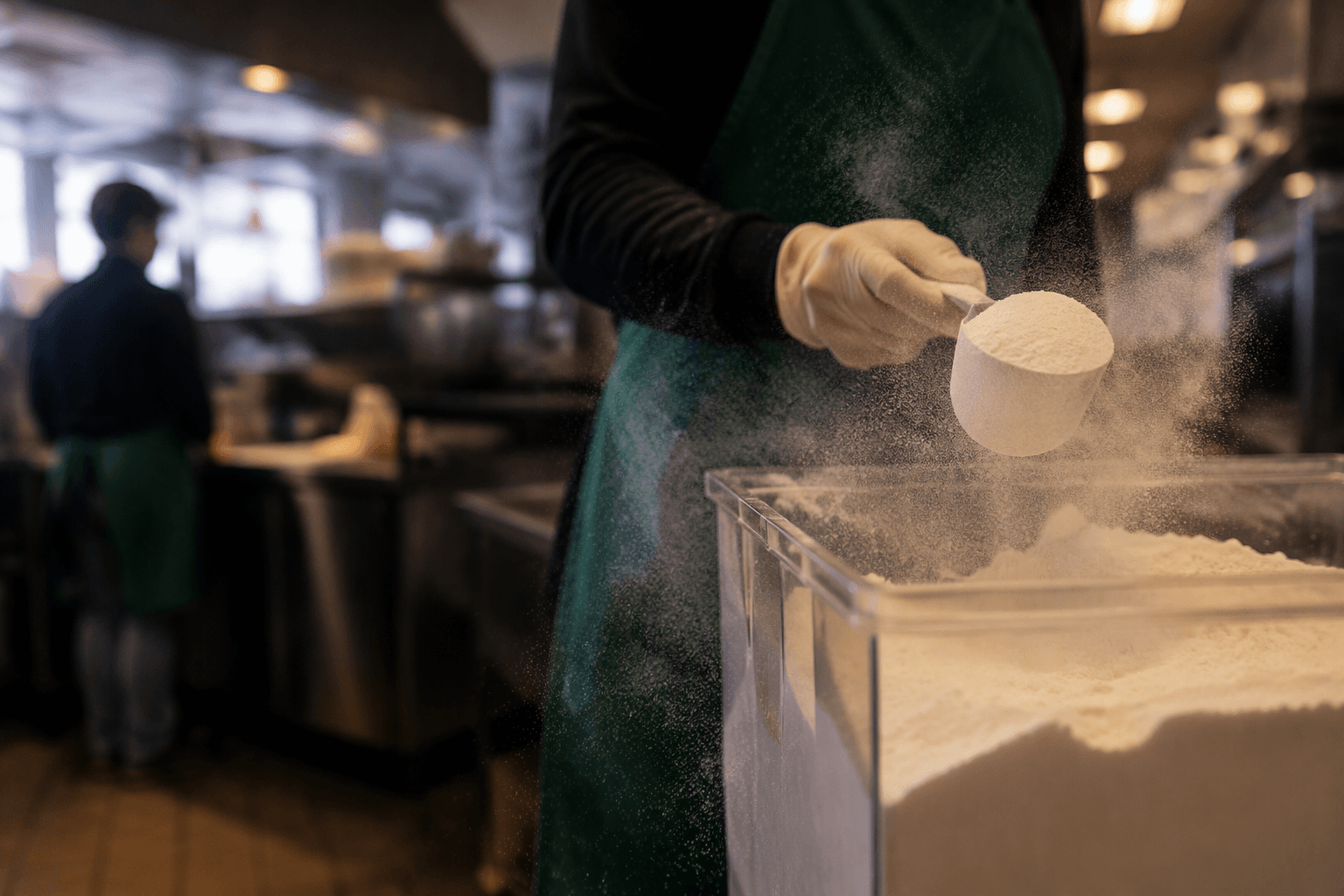
Starbucks workers said a new blending powder introduced in mid-July left them coughing, with sore throats and headaches during shifts, especially while making Blended Energy Refreshers. The complaints turned a menu change into a workplace exposure issue, with baristas describing symptoms that followed the powder’s rollout on the store floor.
Starbucks also put up a press page on About Starbucks headed, “Is the blending powder used for Blended Refreshers safe?” That public response came as workers and the union kept pressing the company over what the ingredient was doing in stores, not just how the drinks tasted to customers.
Starbucks Workers United, which says it represents more than 12,000 partners, said the powder was silica-based and became airborne easily. In a post, the union said, “Breathing in silica powder can be dangerous.” The union also said it had heard concerns from baristas about the new Starbucks Blended Refreshers and had demanded to bargain with Starbucks while seeking more information, including an OSHA demand.
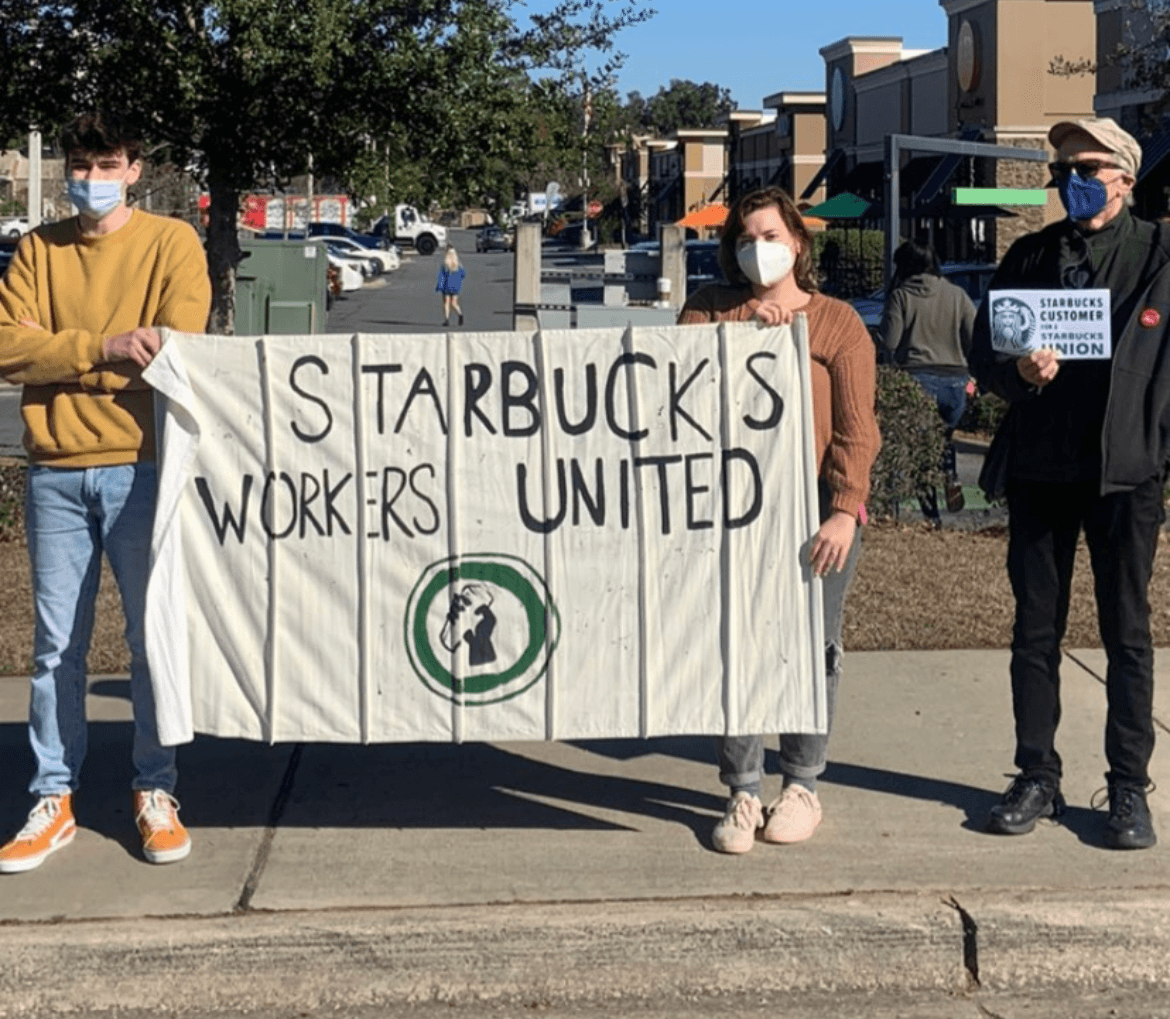
Workers’ complaints were not limited to throat irritation. A Starbucks Workers United post said partners had reported headaches, sore throats, coughing fits, chest irritation and even hives after the powder’s introduction. The union also used Threads to call on customers not to buy Starbucks until baristas got protections and better in-store conditions finalized in fair union contracts.

For shift supervisors and store managers, the issue sits squarely at the intersection of recipe rollout, labor relations and day-to-day safety. If a powder used in frozen drinks is producing airborne dust, the immediate questions are how it is stored, how it is handled, what training partners received, and whether the company gave stores enough warning before asking them to serve the new beverages at speed. In a company where drinks are constantly being added and promoted, workers are now treating the new powder as a test of whether Starbucks will protect the people handling it, not just market it.
This article was produced by Prism’s automated news system from verified source data, official records, and press releases, then run through automated quality and moderation checks before publishing. The system is built and supervised by the people who set the standards it runs under. Read our full AI policy.
Did this article answer your question?