BLS productivity gains put pressure on Taco Bell speed and labor costs
BLS data showed retail productivity up 2.9% as hours worked fell, sharpening the question Taco Bell crews know well: better tools, or fewer hands on the rush?

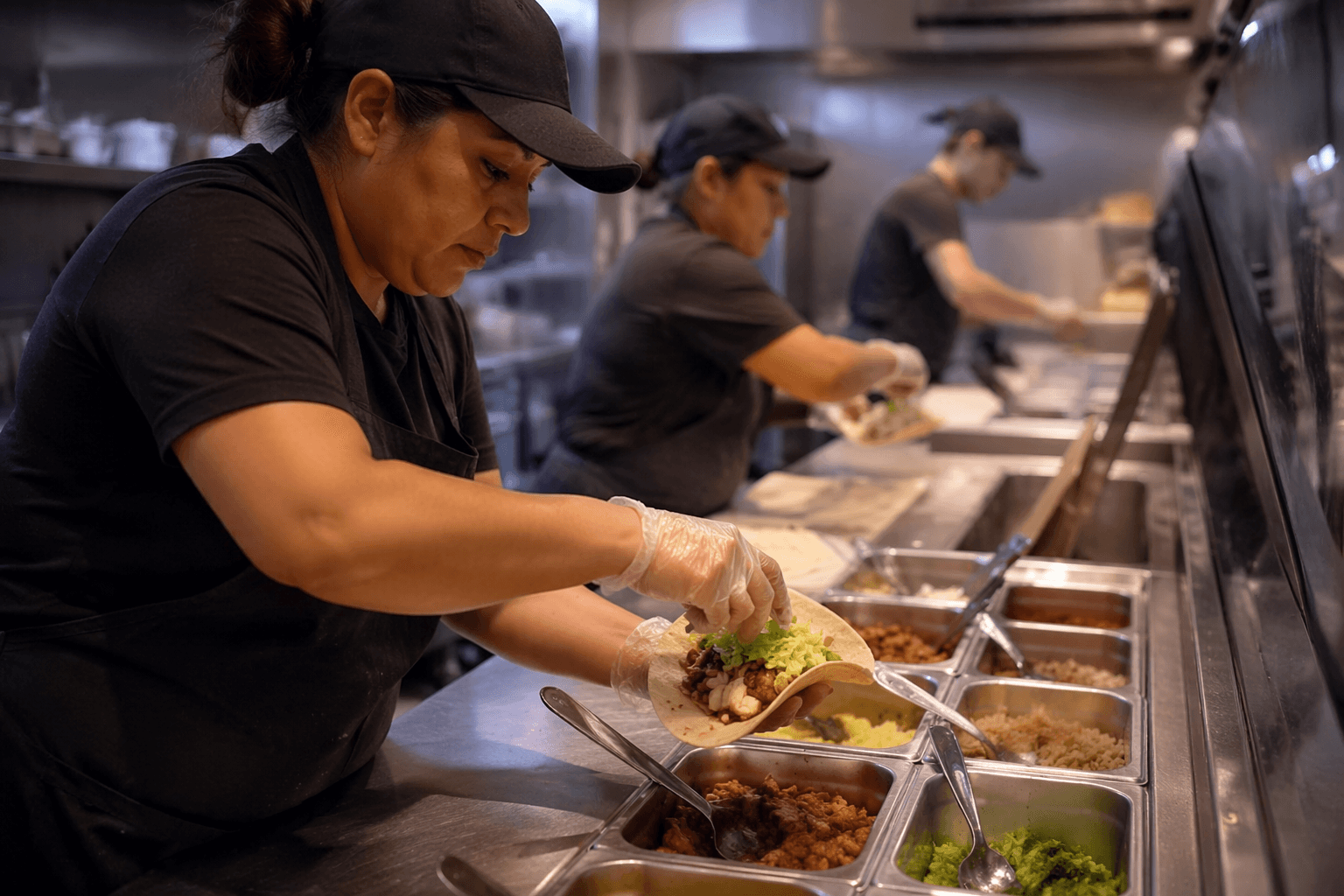
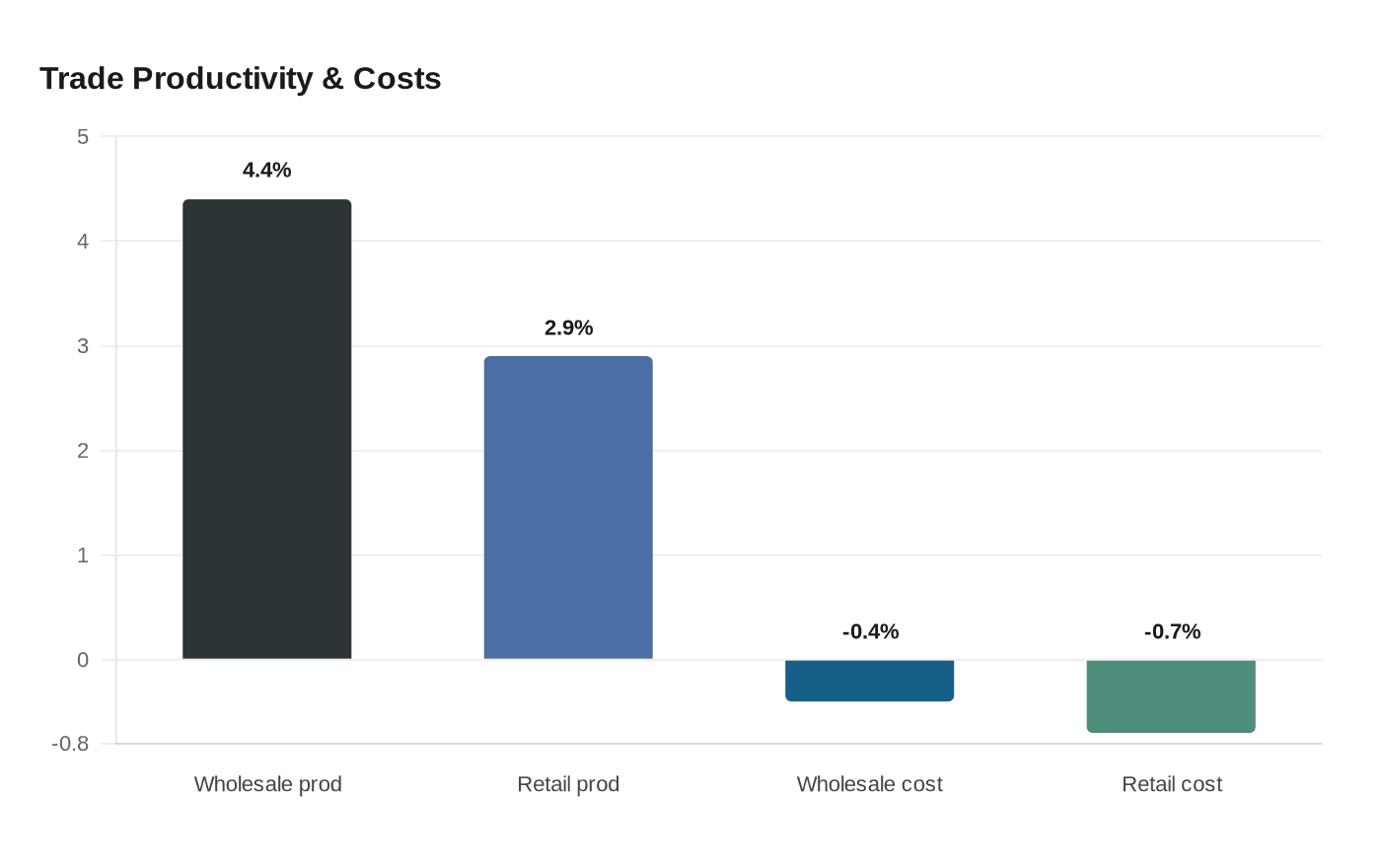
A new BLS productivity reading showed output rising while hours worked fell in retail trade and wholesale trade, a combination that usually means every minute on the floor has to do more work. In 2025, labor productivity increased in 35 of 46 trade industries, wholesale trade productivity rose 4.4%, retail trade productivity rose 2.9%, and unit labor costs declined 0.4% in wholesale trade and 0.7% in retail trade. For Taco Bell workers, that does not read like an abstract economics chart. It translates into tighter drive-thru timing, cleaner handoffs, more accurate orders, and less room for a slow prep stretch or a missing team member to throw off the whole shift.
That is why Taco Bell’s own push into Voice AI matters to crews, not just executives. In July 2024, Yum! Brands said the system was already running in more than 100 Taco Bell drive-thrus across 13 states and was headed for hundreds of U.S. locations by the end of that year. The company said the aim was to ease task load for team members, improve order accuracy, reduce wait times, and support profitable growth. In plain terms, that means the chain is betting that technology can absorb some of the pressure that used to land on a cashier or shift lead during a dinner rush.
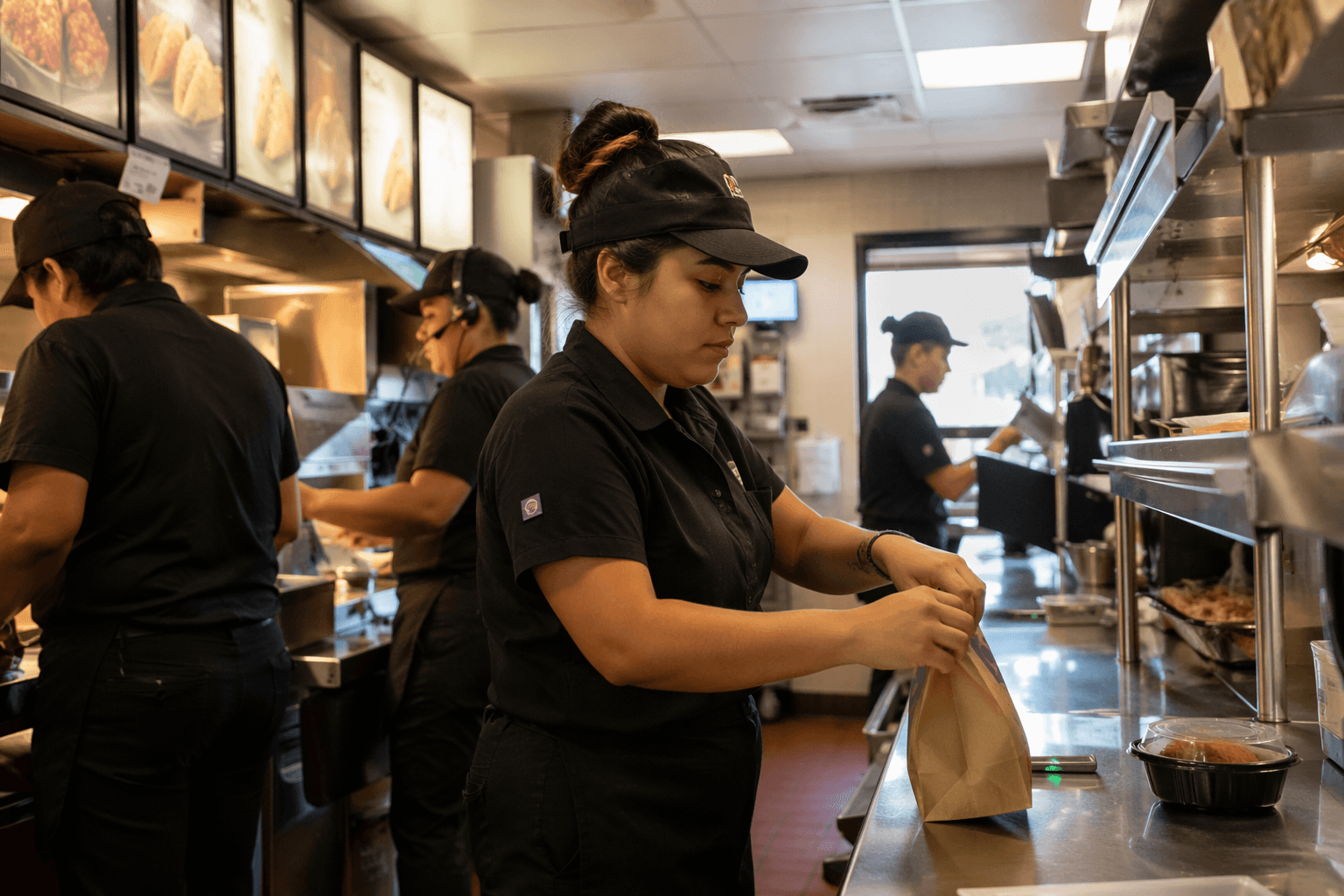
The business case is clear in Taco Bell’s own numbers. In March 2025, the company said 2024 digital sales grew 32% to $6 billion, operating profit hit $1 billion for the first time, and the brand opened 347 gross-new locations across 25 countries, bringing its total to 8,757 restaurants. That scale depends on standardization. The more Taco Bell leans on digital ordering, drive-thru automation, and repeatable station flow, the more productivity gains become part of the labor model, not just a back-office metric. For a crew member, that can mean better station design and more consistent prep. It can also mean cross-training becomes mandatory, because one person now has to cover more than one role when the line gets backed up.
Taco Bell has also tried to pair efficiency with retention, a clue that the company knows productivity without labor stability does not hold. In October 2025, Taco Bell said it had 250,000-plus U.S. team members, company-owned-store retention improved 17% year over year, and general manager vacancy fell 27% in company-owned restaurants. It also expanded Tacos & Tuition through InStride. Those moves point to the same tension workers feel on the floor: the best version of higher productivity is smoother operations with better tools and steadier schedules. The worst version is simply fewer people being asked to cover the same rush.
The next BLS productivity release for selected service-providing industries will arrive this summer and include full-service restaurants, which will give the restaurant business a broader comparison point. For Taco Bell, the message is already visible: speed and labor costs are moving together, and the real test is whether the gains show up as easier shifts or as more pressure packed into every station.
This article was produced by Prism’s automated news system from verified source data, official records, and press releases, then run through automated quality and moderation checks before publishing. The system is built and supervised by the people who set the standards it runs under. Read our full AI policy.
Know something we missed? Have a correction or additional information?
Submit a Tip