Colorado governor vetoes bill curbing card fees on sales tax
Polis blocked a sales-tax swipe-fee ban, but Taco Bell franchisees still face the same card-cost pressure on every high-volume transaction.
Colorado’s veto of a bill aimed at card fees on the tax portion of a sale kept the restaurant industry’s swipe-fee fight alive, even after lawmakers in the Democratic-controlled legislature approved it. For Taco Bell franchisees, the issue is not abstract: every dollar that goes to payment processing is a dollar that cannot be used to cushion food inflation, protect labor hours, or keep prices in check.
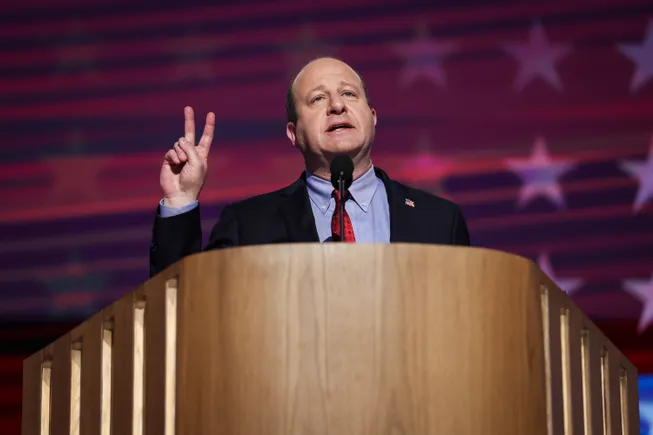
Gov. Jared Polis vetoed SB26-134 on June 3, and the decision became public June 4. The bill would have barred payment card networks from charging interchange fees on the part of a transaction tied to state or local taxes, and it also would have blocked attempts to shift those costs onto the nontax portion of the purchase to get around the rule. It would have applied to card networks and financial institutions with more than $60 billion in consolidated worldwide assets. Polis said the measure carried too much legal and operational risk and could create problems for the national payments system.
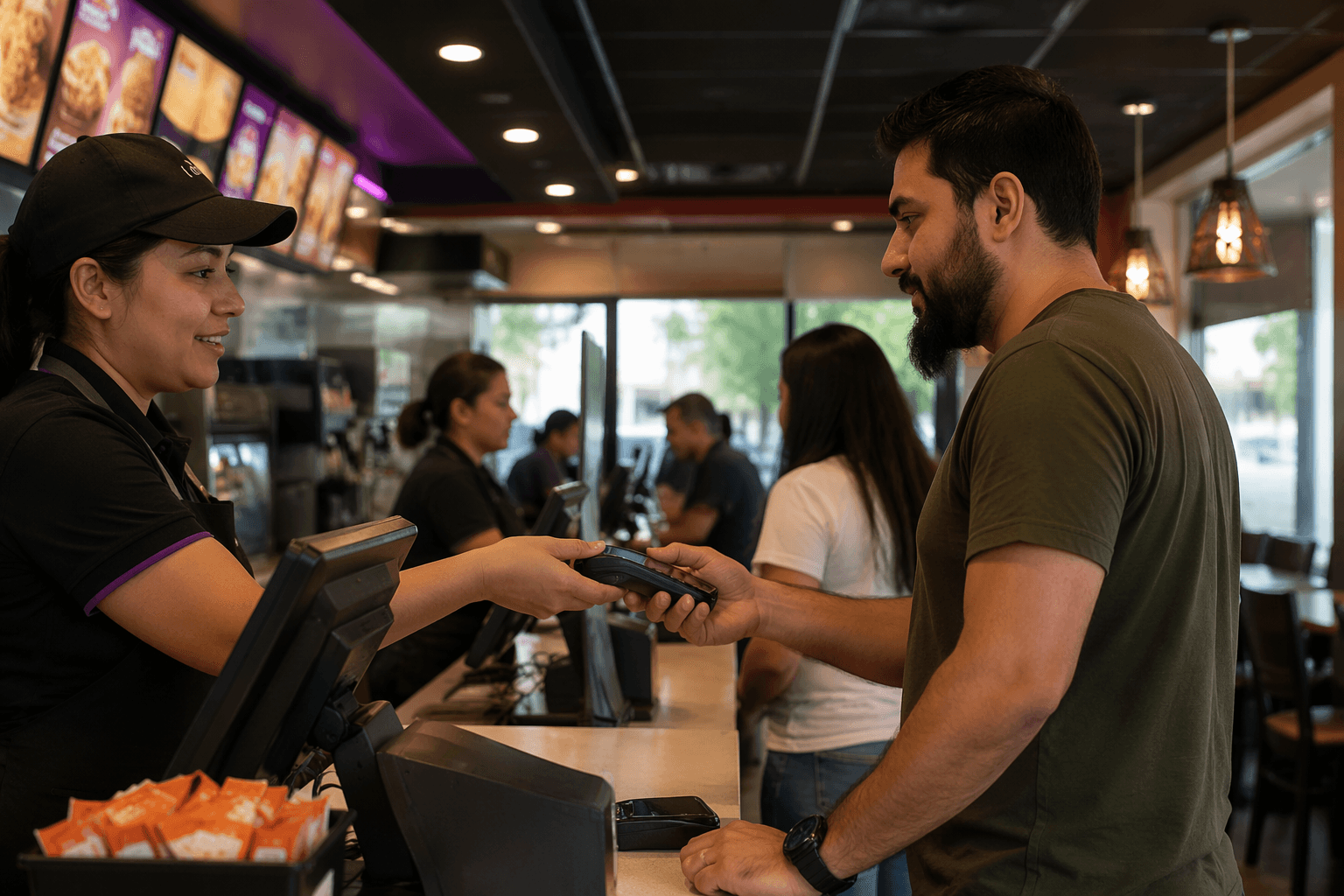
The restaurant industry had pushed hard for the change because the savings could be meaningful at store level, even if they look modest on paper. The National Restaurant Association estimated Colorado restaurants would have saved an average of $3,500 a year. For a Taco Bell location running a high-volume, value-driven menu, that kind of money can mean the difference between absorbing a cost spike and passing it on. If a franchisee does not get relief on processing fees, the pressure often shows up somewhere else: tighter schedules, slower hiring, shorter labor budgets, or menu-price increases that can hit traffic.
The fight is still very much alive because Colorado was not acting in a vacuum. Illinois became the first state to enact an interchange-fee prohibition when Gov. J.B. Pritzker signed the Illinois Interchange Fee Prohibition Act on June 7, 2024. That law was originally scheduled to take effect July 1, 2025, then was pushed back to July 1, 2026 amid litigation, and a federal judge recently granted an injunction blocking it. Polis pointed to that legal battle as part of his concern, saying Colorado should not step into the same uncertainty.
The lobbying around SB26-134 brought restaurants, hotels, breweries, liquor stores, small businesses, banks, card networks and credit unions into the same fight. That is the real takeaway for Taco Bell workers and managers: payment policy is now part of the same cost conversation as wages, staffing and supply prices. If the fee fight eventually breaks one way or the other, it will shape how much room franchisees have to protect margins without squeezing crews or raising prices at the register.
This article was produced by Prism’s automated news system from verified source data, official records, and press releases, then run through automated quality and moderation checks before publishing. The system is built and supervised by the people who set the standards it runs under. Read our full AI policy.
Know something we missed? Have a correction or additional information?
Submit a Tip