FDA, CDC urge Taco Bell teams to tighten daily food safety habits
FDA and CDC say the riskiest food-safety failures are the ordinary ones: bad handwashing, weak illness reporting, and sloppy cross-contamination control.
A clean Taco Bell line is not just about avoiding a bad review. It is what keeps a shift from turning into a shutdown, a callback, or a foodborne illness report.
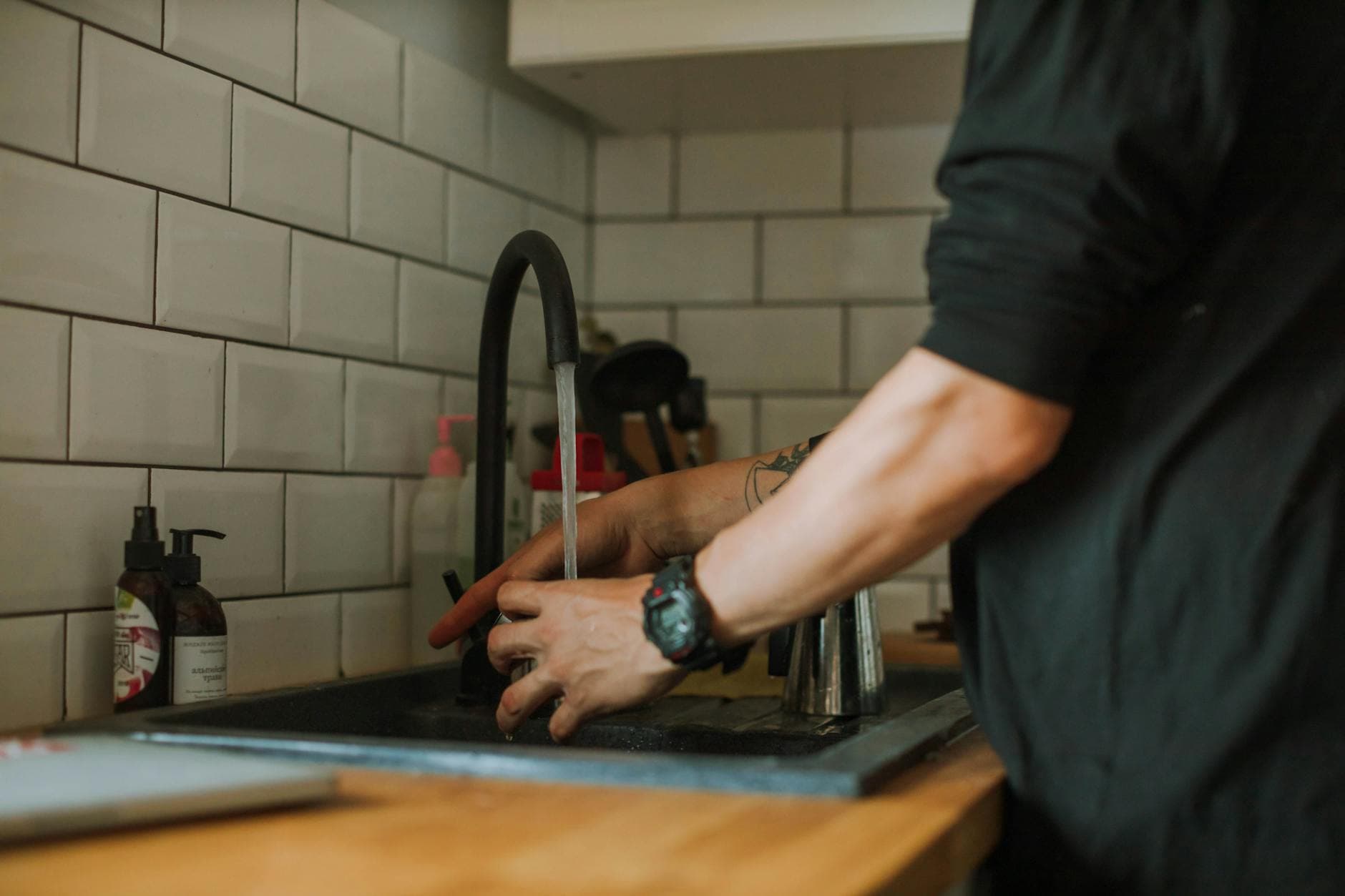
That is the practical message behind the U.S. Food and Drug Administration’s Employee Health and Personal Hygiene Handbook, which was updated in 2022 for retail food managers and food employees. The handbook is built to stop food workers from spreading bacteria and viruses such as Salmonella and norovirus, and the agency’s retail food protection guidance centers the daily behaviors that matter most: wash hands correctly, stay home when illness policy and law require it, keep gloves and utensils clean, and avoid cross-contamination.
The Centers for Disease Control and Prevention pushes the same point from a different angle. Its restaurant food safety guidance says managers should review kitchen practices, look for weak spots in food safety, and talk with workers about the barriers that keep them from handling food safely. The agency says a weak food safety culture is an emerging common risk factor for foodborne outbreaks, and more than half of all foodborne outbreaks in the United States are associated with restaurants, banquet facilities, schools, and other institutions. The CDC also offers a restaurant food safety culture tool that helps managers score worker responses and identify gaps in beliefs and behavior.
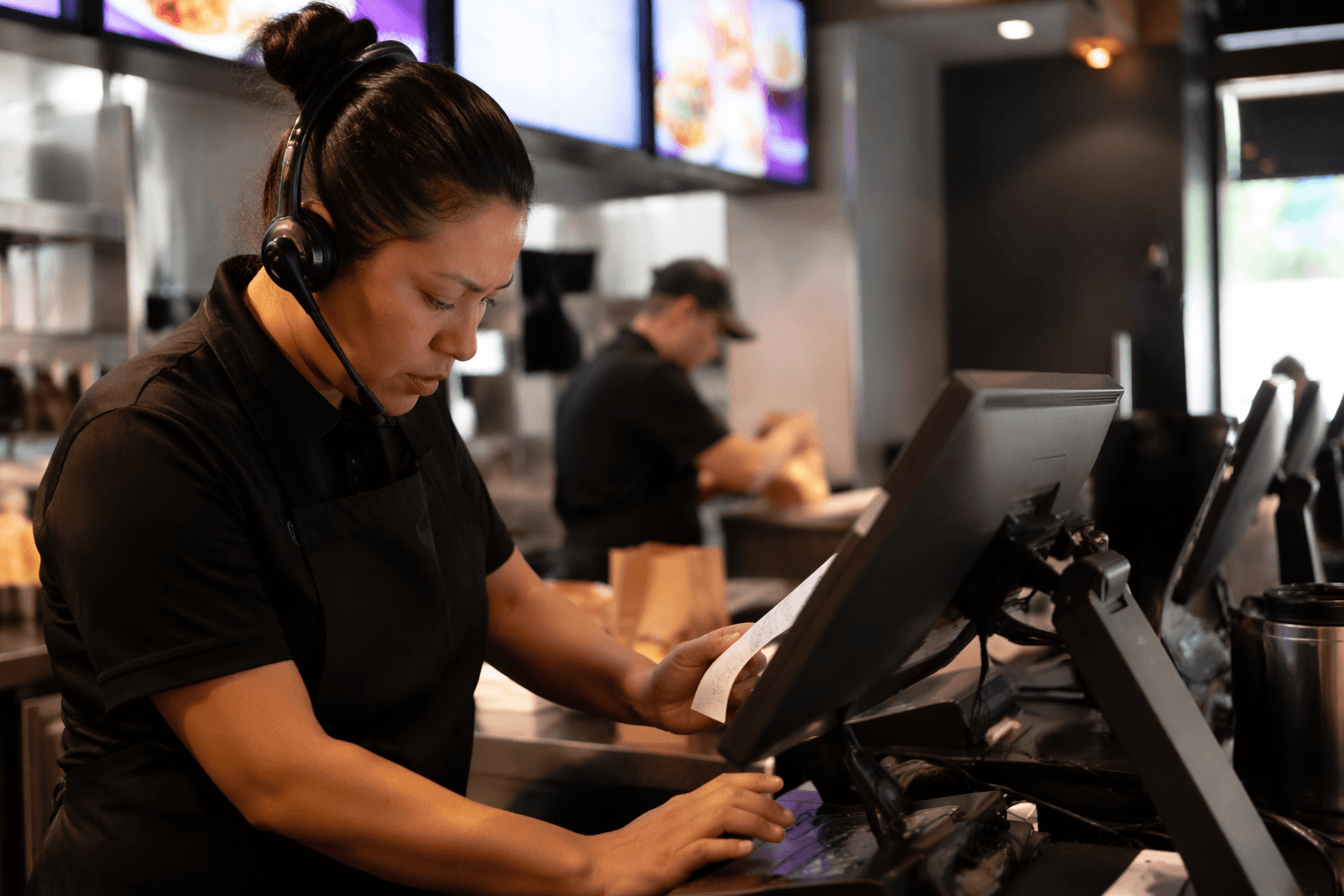
For Taco Bell crews, that turns food safety into an operations issue, not a wall poster. Handwashing, temperature checks, safe storage, glove changes, and illness reporting protect guests, but they also protect the shift from call-backs, food-safety incidents, and the kind of chaos that makes a manager’s job harder. A line that runs clean is usually a line that runs faster, with fewer interruptions and fewer problems that roll into the next shift.
Taco Bell says food quality and safety are top priorities, and that it has worked with suppliers, industry experts, regulatory groups, and even competitors to improve food safety from farm to restaurant. During the COVID-19 period, the company said it rolled out enhanced restaurant safety steps across all U.S. restaurants and sealed every order once completed, underscoring how much the brand leans on visible controls when risk rises.
The stakes are not theoretical. The CDC archived a 2006 multistate E. coli O157 outbreak linked to Taco Bell restaurants in the northeastern United States, and investigators said shredded lettuce consumed at Taco Bell was the most likely source. The CDC said contamination likely happened before the lettuce reached restaurants, a reminder that food safety depends on both supplier controls and what crews do once product arrives. With the CDC currently coordinating between 17 and 36 multistate foodborne illness investigations each week, the boring habits of the Taco Bell line remain one of the few defenses that can protect both the brand and the crew.
This article was produced by Prism’s automated news system from verified source data, official records, and press releases, then run through automated quality and moderation checks before publishing. The system is built and supervised by the people who set the standards it runs under. Read our full AI policy.
Know something we missed? Have a correction or additional information?
Submit a Tip