Illinois swipe fee law delayed again as court blocks ban
A court blocked Illinois’ swipe-fee ban while lawmakers delayed it to 2027, keeping a cost fight alive that could hit Taco Bell labor budgets.
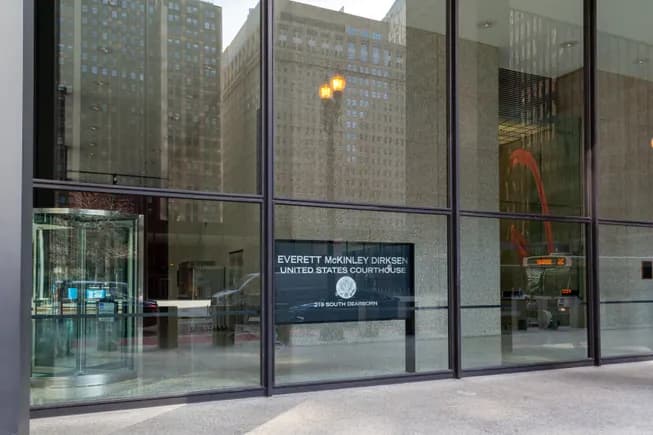
For Taco Bell crews in Illinois, the biggest question is not the courtroom drama itself but whether another delay on swipe-fee rules will eventually show up in store schedules, hiring plans and hour cuts. A federal court on June 1 blocked enforcement of Illinois’ Interchange Fee Prohibition Act against national banks, federal savings associations, certain out-of-state banks and payment card networks, even as the Illinois General Assembly pushed the law’s effective date back to July 1, 2027.
The law, passed in 2024 and first set for July 1, 2025, targets interchange fees on the sales-tax and tip portions of card transactions and also limits how payment-card data can be used beyond processing the sale. The Merchants Payments Coalition says the delay will cost Illinois consumers and businesses more than $500 million a year. In restaurant kitchens and back offices, that kind of money matters because it is the kind of cost that does not show up on a worker’s paycheck, but can change what a franchisee does next with labor.
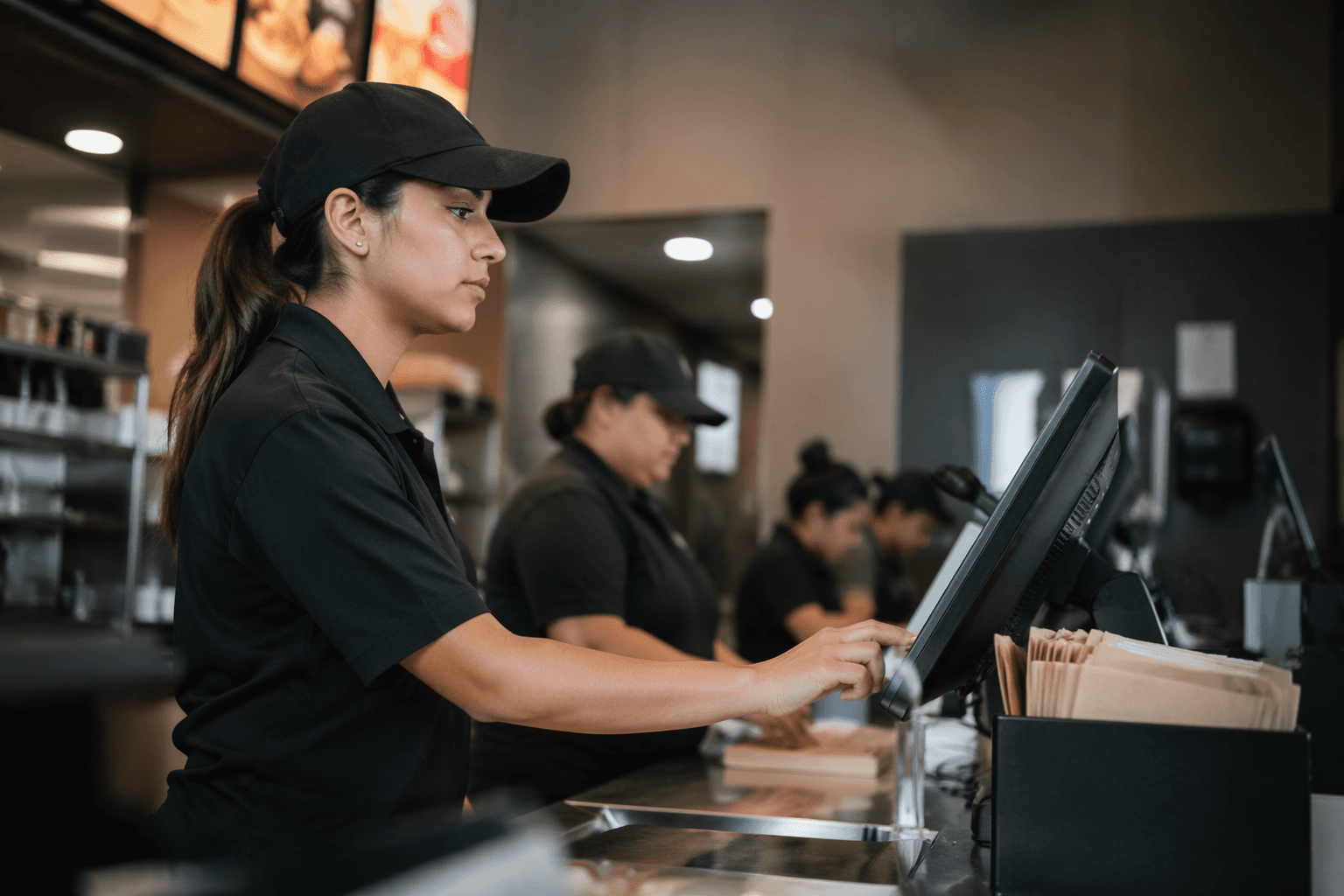
At Taco Bell, where nearly 8,000 U.S. locations are franchised, the pressure lands first on franchise owners and managers, not on corporate headquarters. If card processing costs rise, franchisees can try to absorb them in tighter margins, but they may also respond by slowing hiring, trimming training hours, reducing the number of people on during slower shifts or becoming more cautious about adding coverage for rushes and late-night demand. That is especially relevant as more orders move through apps, kiosks and digital wallets, where every transaction adds to the same backend fee structure.
The legal path has moved quickly. A federal judge upheld major parts of the law in February before the 7th U.S. Circuit Court of Appeals sent the dispute back to district court after new preemption actions by the Office of the Comptroller of the Currency. Restaurant and merchant groups say the Illinois fight could shape other states, while banking groups argue the law clashes with federal banking law and the national payments system. For Taco Bell workers, the real-world stakes are simpler: if the fee fight sticks, it could influence how much labor a store can afford, and how hard managers have to squeeze the schedule to keep margins intact.
This article was produced by Prism’s automated news system from verified source data, official records, and press releases, then run through automated quality and moderation checks before publishing. The system is built and supervised by the people who set the standards it runs under. Read our full AI policy.
Know something we missed? Have a correction or additional information?
Submit a Tip