Maryland woman charged after allegedly threatening Taco Bell workers with gun
A Chester Taco Bell worker's wait-time complaint allegedly turned into a handgun threat, ending with Ashley Andrews charged and banned from the store.
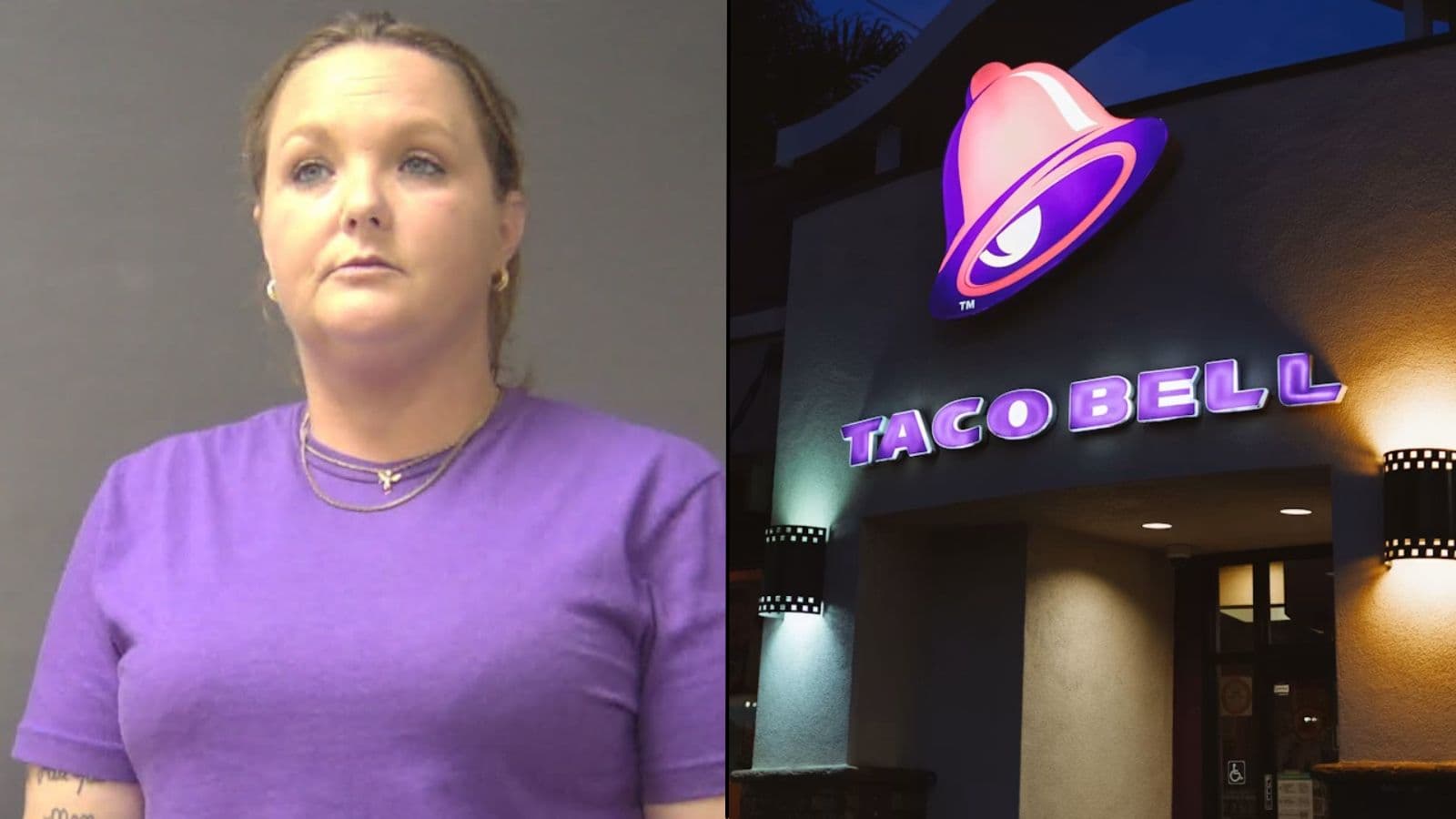
Ashley Andrews, 30, of Chester, Maryland, was charged after deputies said she threatened Taco Bell workers with a handgun during a dispute over how long her order was taking at the Chester restaurant on Kent Island. Investigators said the June 18 confrontation escalated fast enough that staff handed police restaurant surveillance video and cellphone footage recorded by an employee. The Queen Anne's County Sheriff's Office later said Andrews was banned from the property.
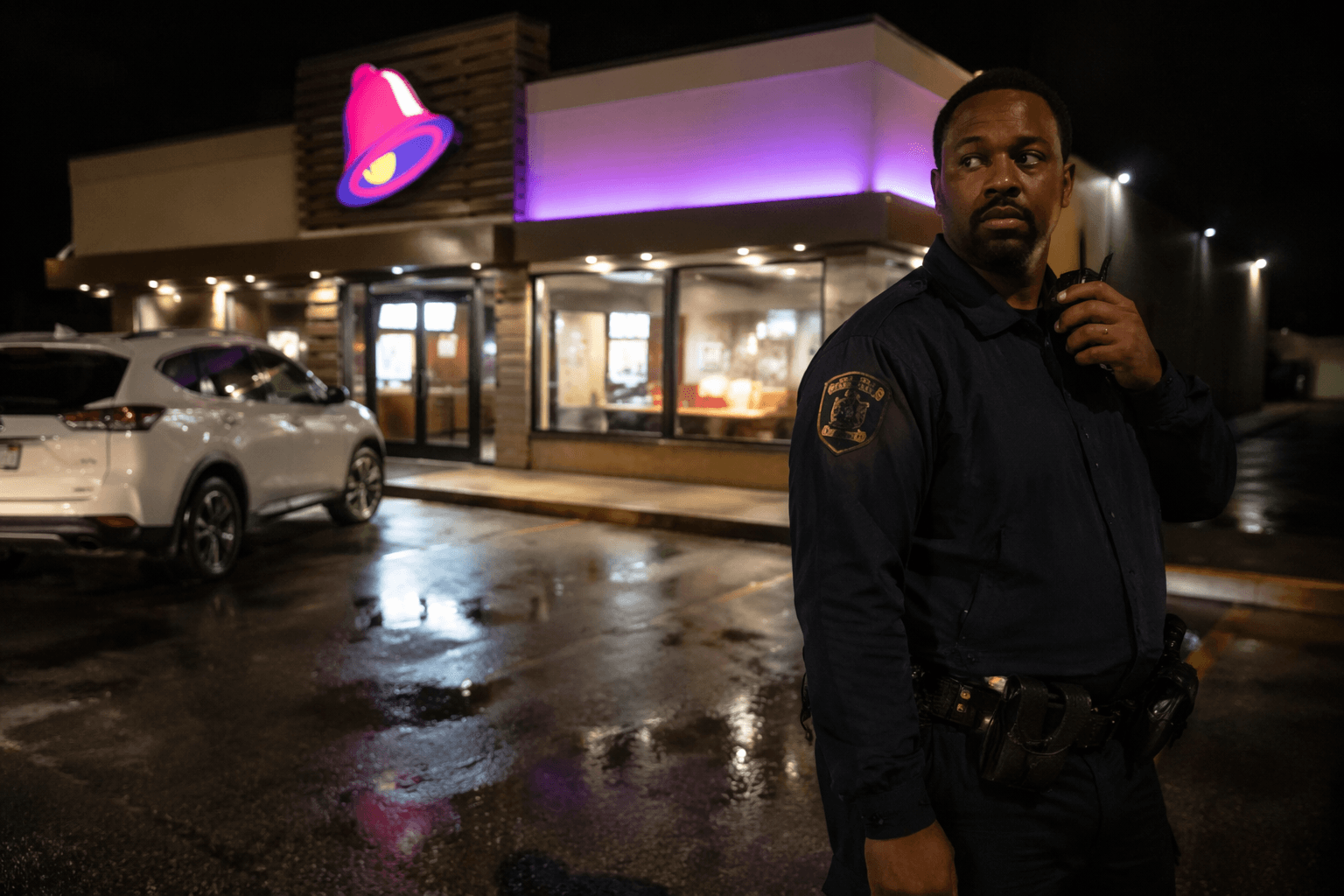
Deputies with the Queen Anne's County Sheriff's Office responded to the Taco Bell in the Kent Towne Market area after a report of a woman displaying a firearm during a verbal altercation. Staff told deputies Andrews became angry about the wait, told employees to meet her outside in the parking lot, and then lifted her shirt to reveal a handgun while arguing with them. Deputies initially detained two people at the scene before determining Andrews was the suspect, and investigators said they recovered a loaded handgun.
Andrews was charged with second-degree assault, displaying a handgun to a person, disturbing the peace or disorderly conduct and reckless endangerment. Local reports said she was booked on a $5,000 bond and posted bail on June 19. Court records listed a trial date of July 23, and Andrews was represented by a public defender while invoking her right to a speedy trial.
For Taco Bell crews, the case is a direct reminder that wait-time frustration can become a frontline safety threat before a shift manager has time to calm the situation. The response points are concrete: keep de-escalation steps simple, do not let employees follow an angry customer outside, and make sure one manager knows who calls law enforcement, who preserves footage and who checks on the team after the confrontation.
The employee video and store surveillance also show why reporting matters inside a fast-food restaurant. When workers document a threat in real time, managers can act on evidence instead of rumor, and deputies can sort out what happened more quickly. In a job where employees have little control over ticket times, a service complaint can turn into a weapons case in seconds, and the store's response has to move just as fast.
This article was produced by Prism’s automated news system from verified source data, official records, and press releases, then run through automated quality and moderation checks before publishing. The system is built and supervised by the people who set the standards it runs under. Read our full AI policy.
Know something we missed? Have a correction or additional information?
Submit a Tip