OSHA tool lets Taco Bell workers check store safety history
Taco Bell crews can now check whether a store’s OSHA record points to repeat slips, burns, violence, or chemical problems before the next rush.

Why the safety record matters on a Taco Bell shift
A Taco Bell store can look routine from the dining room and still carry a long paper trail behind the counter. OSHA’s Establishment Search lets workers look up a location by establishment name, inspection number, NAICS, or SIC, and it shows citation information for violations Federal OSHA has cited. The database runs through June 2, 2026, and OSHA says its inspection records go back to 1972, so the history can reveal whether a hazard was a one-off or something the store keeps cycling through.
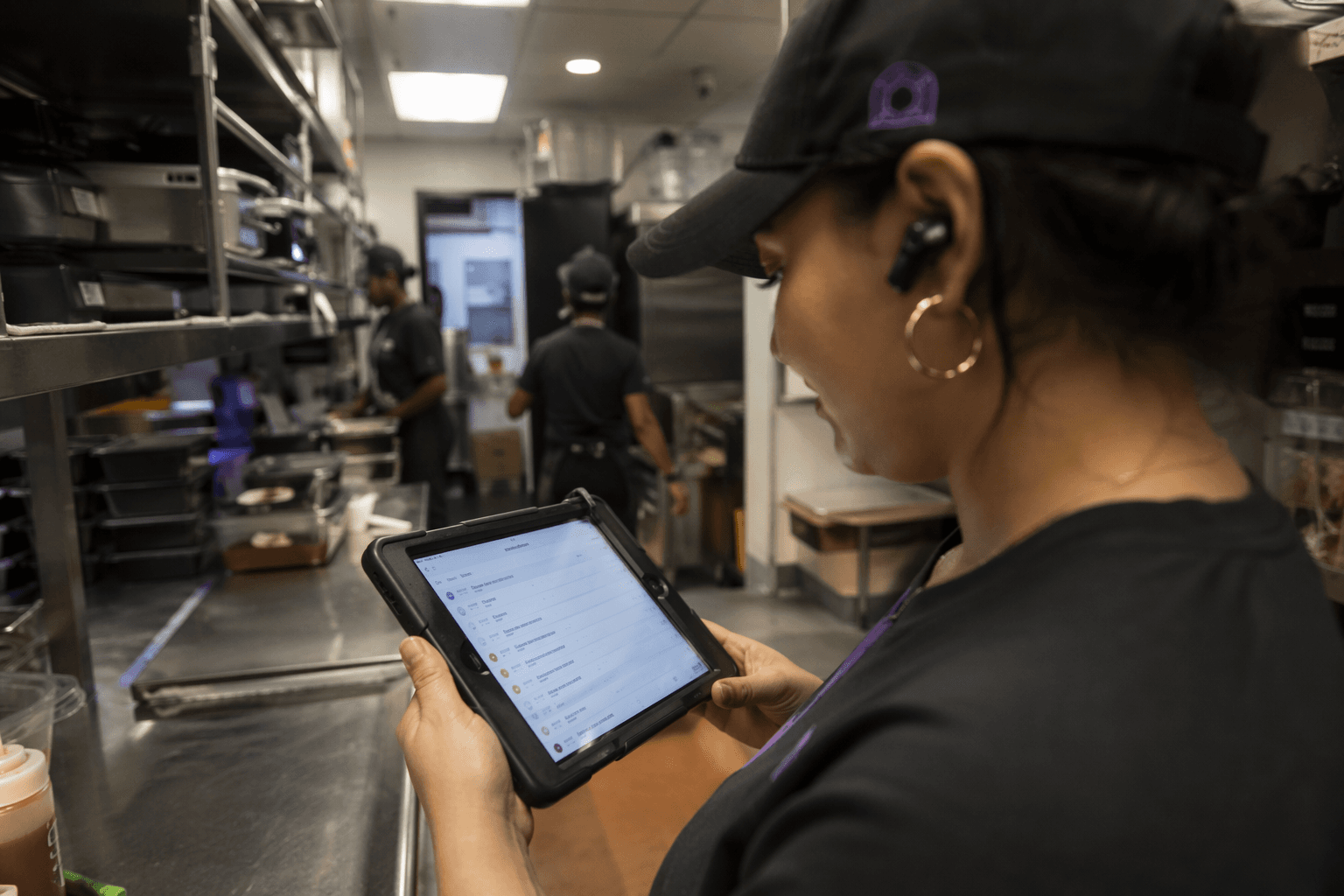
That matters in a chain built on fast turns, tight labor, and pressure to keep drive-thru times down. When pay is near the bottom of the hourly market, when franchise and corporate stores do not always feel the same on the floor, and when minimum wage debates keep reshaping what crews expect from the job, safety becomes part of the real compensation package. If the same store keeps showing up for the same kind of problem, that is not abstract compliance talk. It is a sign that somebody on the shift may be carrying the cost.
What the OSHA search can tell you before the next rush
The tool is more than a lookup page. It can show whether a restaurant has prior inspections, what violations were cited, and whether the history points to recurring enforcement patterns. For a Taco Bell manager, that makes it useful as part of a real audit routine, not just a curiosity to browse after hours.
The strongest signal is repetition. A location with a past citation tied to clean-up, cooking, delivery and storage, drive-thru, food preparation, or serving deserves a closer look at the way training, equipment, and supervision are actually working on the floor. If the same kind of issue appears more than once, that usually means the fix was incomplete, the follow-through was weak, or the staffing level never matched the task. In a restaurant, those are not small details. They are the conditions that decide whether a busy Friday ends with a normal close or an injury report.
The hazards that hit fast-food crews hardest
OSHA’s restaurant safety materials point to a familiar list of dangers, and most of them are easy to recognize in a Taco Bell kitchen or lobby. The risks include slips, trips, and falls, burns and scalds, knives and cuts, hazardous chemicals, strains and sprains, workplace violence, electrical hazards, fire hazards, and machine guarding.
The agency also breaks those dangers out across the parts of the restaurant where they show up most often:
- Clean-up, where workers may face burns and scalds, cuts, electrical hazards, hazardous chemicals, slips, trips, and falls, and strains and sprains.
- Cooking, where fryers, hot surfaces, and fast-paced prep create burn and cut risks.
- Delivery and storage, where lifting, carrying, stacking, and moving bins can lead to strains and sprains.
- Drive-thru, where traffic, speed, and exhaust add pressure and exposure.
- Food preparation and serving, where knives, hot food, rushes, and crowding can turn a normal task into an injury.
OSHA specifically notes that restaurant workers can be exposed when washing dishes, mopping floors, emptying trash, carrying trays or bins, using fryers, and handling hot surfaces. That is the everyday work crews already know well, which is exactly why the inspection history matters: the most common tasks can also be the most common injury points when the store is understaffed or rushed.
Why this hits young workers so hard
Restaurant work is one of the biggest entry points into the labor market for teens and young adults. OSHA says restaurants and other eating and drinking businesses employ 11.6 million people in the United States, and nearly 30% of those workers are under age 20. OSHA also says the service industry ranks highest among U.S. industries for injury among workers ages 16-19.
That statistic should land inside Taco Bell especially hard. The chain relies on a workforce that often includes first-job crew members, recent hires, and workers still learning the pace and routines of the kitchen. When pay debates are already squeezing the floor, and when franchise stores may feel every labor hour, the temptation is to move faster than training allows. OSHA’s data does not fix that pressure, but it helps show why it is so dangerous to treat safety as optional during a dinner rush or a late-night close.
What crew members can do with the information
For crew members, the biggest value in the OSHA record is context. If a store has a documented history of unsafe conditions, that is useful when deciding whether a manager is taking training seriously or simply pushing through the same problems again. It can also help workers see that a concern is not imaginary or isolated. It is part of a documented enforcement system with real consequences.
Federal labor rules also give workers some protection when they speak up. The U.S. Department of Labor says complaints tied to safety rights are confidential, retaliation for filing is illegal, and workers can file retaliation complaints within 30 days of the adverse action. OSHA also says employees have the right to safe and healthful working conditions, the right to information, and the right to file a complaint asking for an on-site inspection.
That means the most practical move is not to treat the database like a scoreboard. It is to use it as proof that safety concerns can be tracked, documented, and challenged. In a restaurant where speed is rewarded, that paper trail gives workers something concrete to point to when a problem keeps coming back.
What managers should be watching now
For managers, the search tool should function like an inspection mirror. If the record shows repeat hazards, the response should be immediate and operational: retrain the team, check equipment, review storage, tighten chemical handling, and reset closing procedures before the next shift starts. A history of citations does not solve the problem by itself, but it can show where the store keeps slipping.
The real value is pattern recognition. A single slip does not tell you much; repeated slips in the same area do. The same goes for burns near the fry station, chemical exposure during clean-up, or strain injuries from the same heavy lift every night. Once a pattern is visible, managers have a better basis for improving supervision and reducing the shortcuts that often happen when labor is thin and the clock is unforgiving.
OSHA’s database is useful because it stretches across decades, but the most important lesson is current. A Taco Bell shift can turn dangerous fast when the same hazards stay in place and everyone treats them as part of the job. The inspection history is the clearest way to see whether a store is learning from its mistakes or just repeating them under a different manager.
This article was produced by Prism’s automated news system from verified source data, official records, and press releases, then run through automated quality and moderation checks before publishing. The system is built and supervised by the people who set the standards it runs under. Read our full AI policy.
Know something we missed? Have a correction or additional information?
Submit a Tip