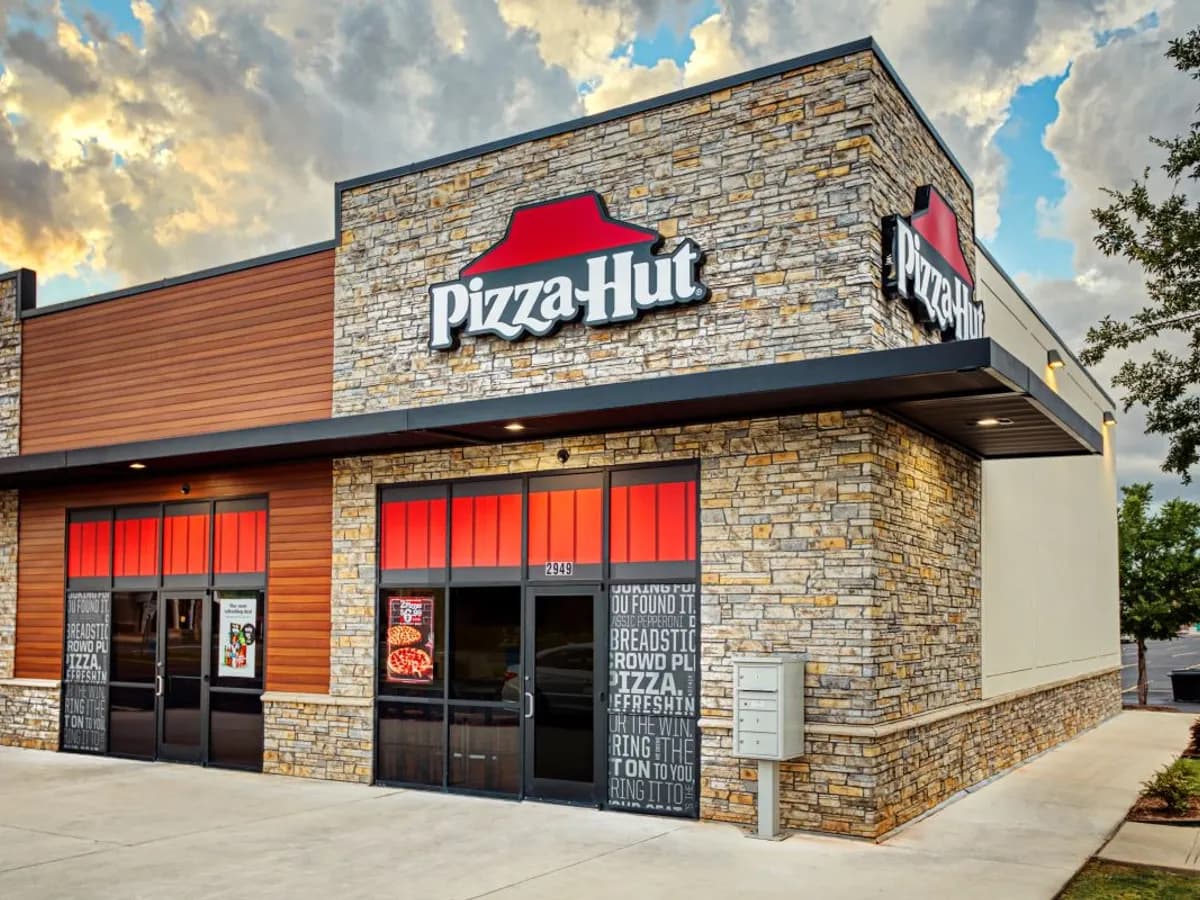
Pizza Hut franchisee sues over mandatory tech, cites $100 million losses
A Pizza Hut franchisee says mandated Dragontail software slowed delivery across 111 stores and helped drive more than $100 million in losses, a warning for Taco Bell rollouts.
For the people actually running stores, the risk is not the lawsuit itself. It is what happens when a required system gums up delivery flow, stacks orders, lengthens rack times and leaves crews taking the heat for service problems they did not create.
Chaac Pizza Northeast filed suit on May 12, saying Pizza Hut’s mandatory Dragontail software caused operational disruptions and more than $100 million in losses across 111 locations in New York, New Jersey, Maryland, Washington, D.C. and Pennsylvania. The franchisee says the system slowed delivery, reduced customer satisfaction and made Pizza Hut’s minimum delivery-speed standards harder to meet after the rollout.

The complaint also says Pizza Hut’s national delivery contract with DoorDash stripped away some local control over how orders moved through the store. Managers, the filing says, were not trained beyond basic order entry. Additional reporting on the case says the integration “invited stacking and other algorithmic behaviors” that slowed service times, a phrase that captures the kind of front-line breakdown crews feel immediately: more friction at the make line, more pressure at dispatch, and more complaints when food sits too long before it reaches a driver.
That is why the case matters to Taco Bell operators, even though the lawsuit is aimed at Pizza Hut. Yum! Brands has made digital systems central to its operating playbook, and Taco Bell has said its 2025 strategy centers on “Digital Connections,” with a goal of having 100% of transactions enabled by digital platforms. Yum has also introduced Byte by Yum!, an AI-driven SaaS platform it says is meant to streamline operations and improve customer and team-member experiences across its brands, while pairing with NVIDIA to speed AI development in restaurants.
For restaurant managers, the hard question is not whether software can help. It is whether a mandated rollout fits the real rhythm of the store. If training stops at basic order entry, if vendor support is thin, if a delivery contract overrides local judgment and if the system slows a rush instead of smoothing it out, the result is not innovation. It is chaos on the line, tighter labor pressure, longer waits and worse results at store level.
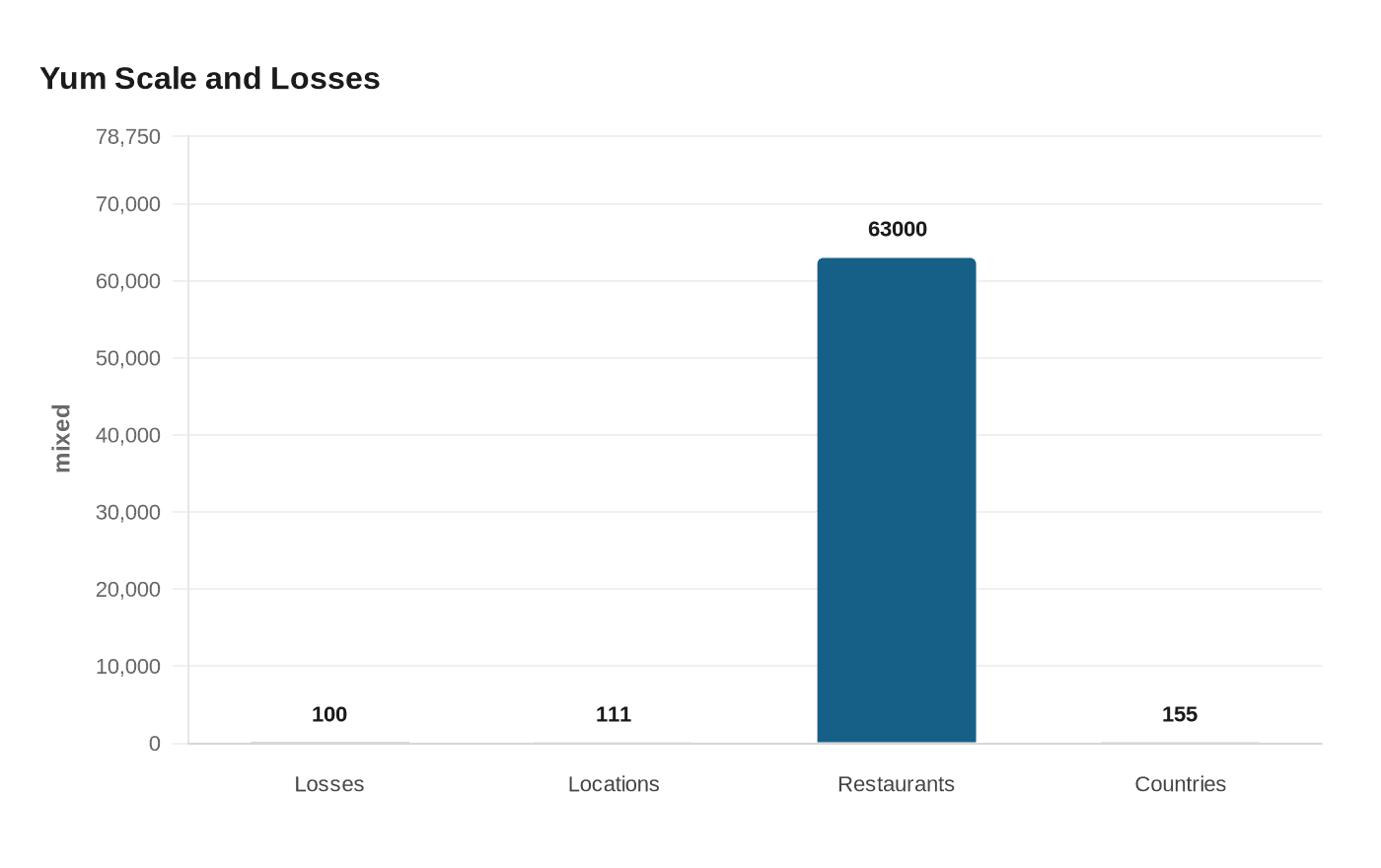
The stakes are large because Yum is large. The company says it operates more than 63,000 restaurants in 155 countries and territories, so a tech decision in one brand can ripple across the whole system. Taco Bell franchisee buy-in matters too, with FRANMAC serving as the brand’s franchisee advisory council since 1985. The Pizza Hut fight is a reminder that when headquarters mandates software, the real test is whether it helps the crew or hands them a more expensive problem.
Know something we missed? Have a correction or additional information?
Submit a Tip