Taco Bell expands West ranching partnership to support sustainable beef supply
Taco Bell’s ranching program now covers seven Western states, with nearly $1.8 million already awarded to restore grazing land and wildlife habitat.
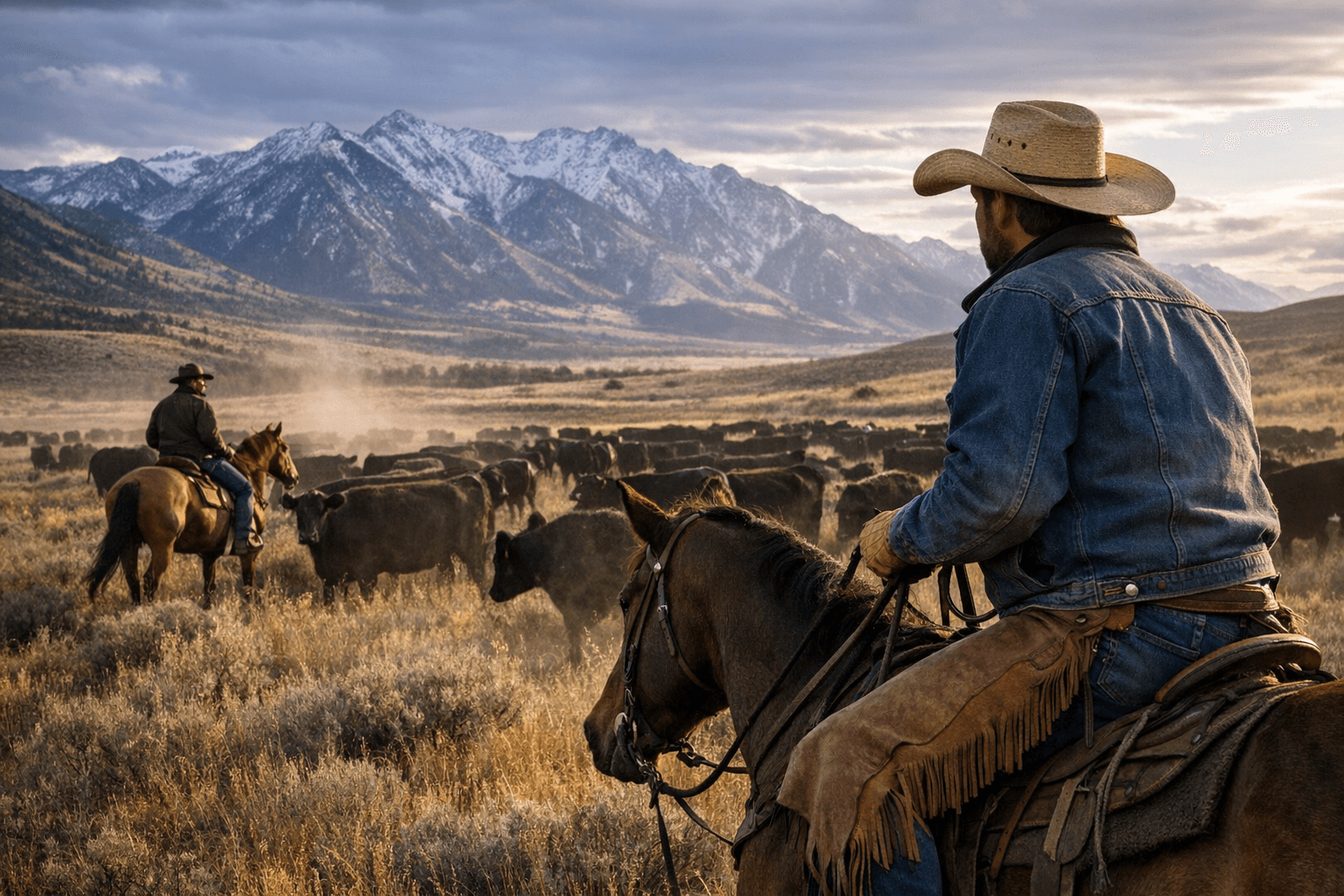
Taco Bell is pushing its beef-sourcing partnership deeper into the West, tying a ranching program that began in 2023 to the kind of supply stability and store-level consistency crew members feel when ingredients arrive on time and the line keeps moving. The work with the National Fish and Wildlife Foundation is aimed at healthier grazing lands, better water management and more sustainable ranching practices across parts of seven states, a footprint that reaches from Colorado and Idaho to Wyoming.
For restaurant workers, the operational value is not abstract. A beef supply chain that is managed with ranchers, conservation groups and a major supplier like Cargill is meant to support a steadier flow of product into distribution and store kitchens, while also giving Taco Bell a sourcing story that resonates with customers who care where food comes from. The partnership also reflects a bigger reality for managers and franchisees: sustainability has moved from a side topic to something that can shape the standards, training and operating expectations attached to the brand.
Yum! Brands used its Earth Month release on April 20, 2026, to frame that approach as part of a broader sustainability push across Taco Bell, KFC, Pizza Hut and Habit Burger & Grill. Yum! said it operates in more than 155 countries and territories and is making progress through everyday actions and strategic partnerships, a reminder that the company sees environmental work as part of long-term brand management, not just packaging or recycling.
The Taco Bell-NFWF effort has been active since 2023 and now spans the Intermountain West across Colorado, Idaho, Montana, Nevada, Oregon, Utah and Wyoming. Taco Bell and Cargill previously said they would commit $2 million and leverage up to another $2 million from NFWF, creating a $4 million pool for the Rocky Mountain Rangelands Program to back grants for U.S. beef producers. Those grants were meant to support conservation and regenerative agriculture, increase carbon sequestration, improve wildlife habitat and strengthen the ecosystem for people and species that depend on those rangelands.
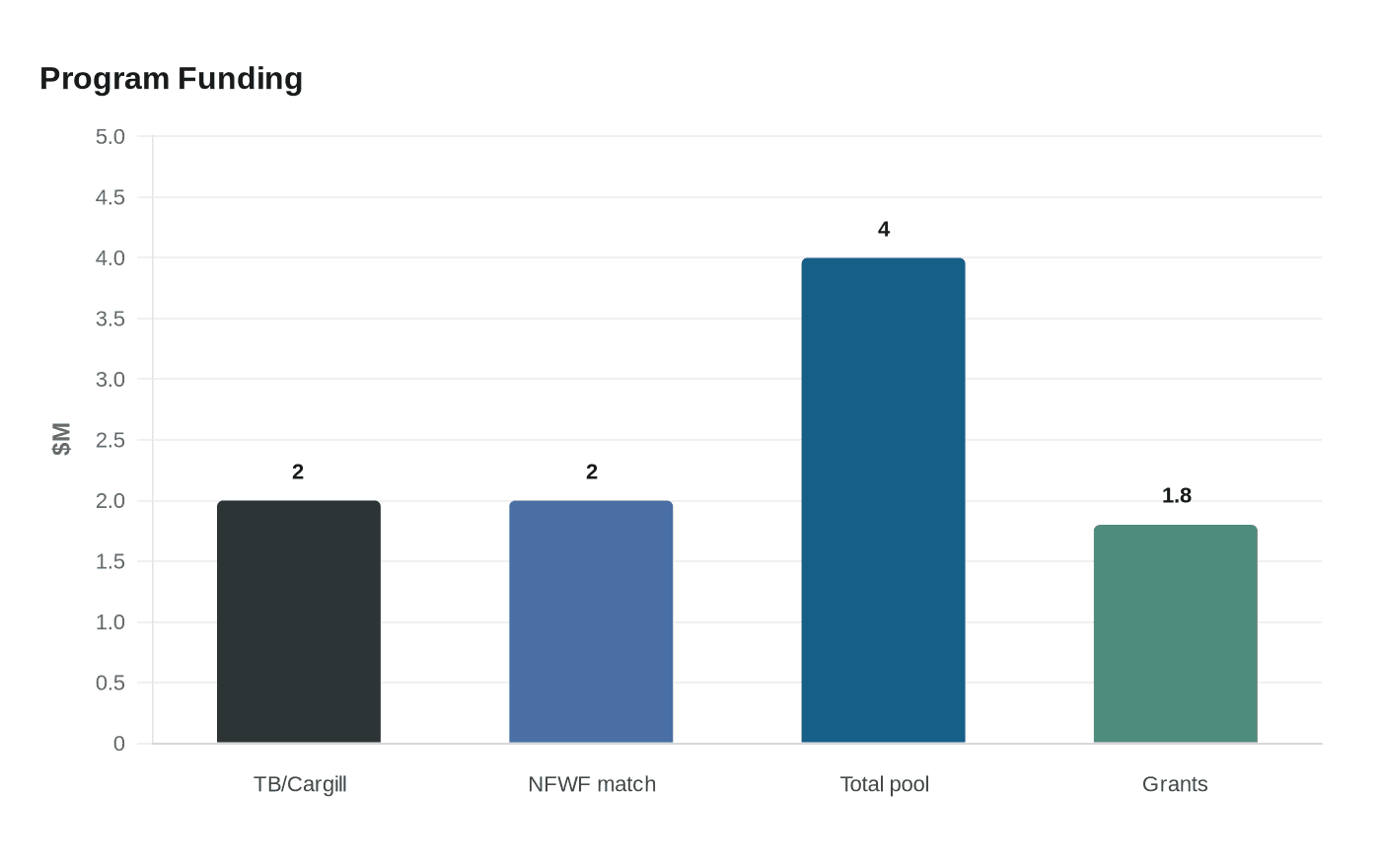
The latest sign of progress came on April 10, 2026, when NFWF said it had awarded nearly $1.8 million in grants to restore, improve and conserve sagebrush, mesic wet meadow and big game migratory corridor habitats in Idaho, Utah and Wyoming. The work includes restoring hundreds of acres, improving grazing across more than 300,000 acres and protecting migration corridors, all of which keeps the program rooted in the land that feeds Taco Bell’s beef pipeline and the workers who depend on it.
This article was produced by Prism’s automated news system from verified source data, official records, and press releases, then run through automated quality and moderation checks before publishing. The system is built and supervised by the people who set the standards it runs under. Read our full AI policy.
Did this article answer your question?