Taco Bell faces rising labor costs as BLS reports wage growth
Rising BLS compensation costs point to tighter scheduling, more cross-training and tougher staffing calls inside Taco Bell stores.
.png&w=1920&q=75)
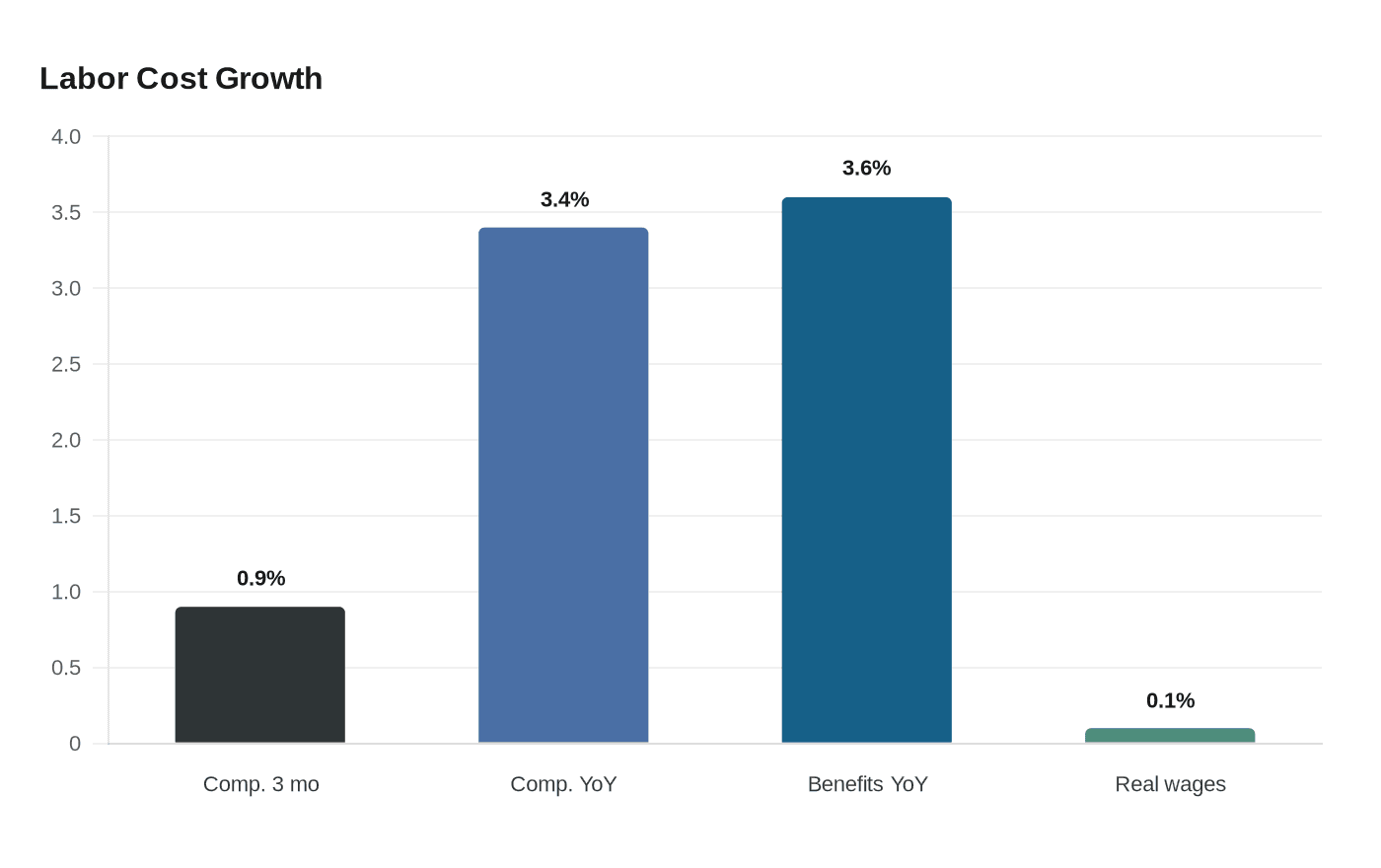
The newest labor-cost data is a warning light for Taco Bell operators: compensation costs for civilian workers rose 0.9% from December 2025 to March 2026 and were up 3.4% over the year, with wages and benefits both still climbing. In plain store terms, that means starting pay, shift staffing and manager expectations are all under more pressure at the same time, while inflation-adjusted wages barely rose 0.1%.
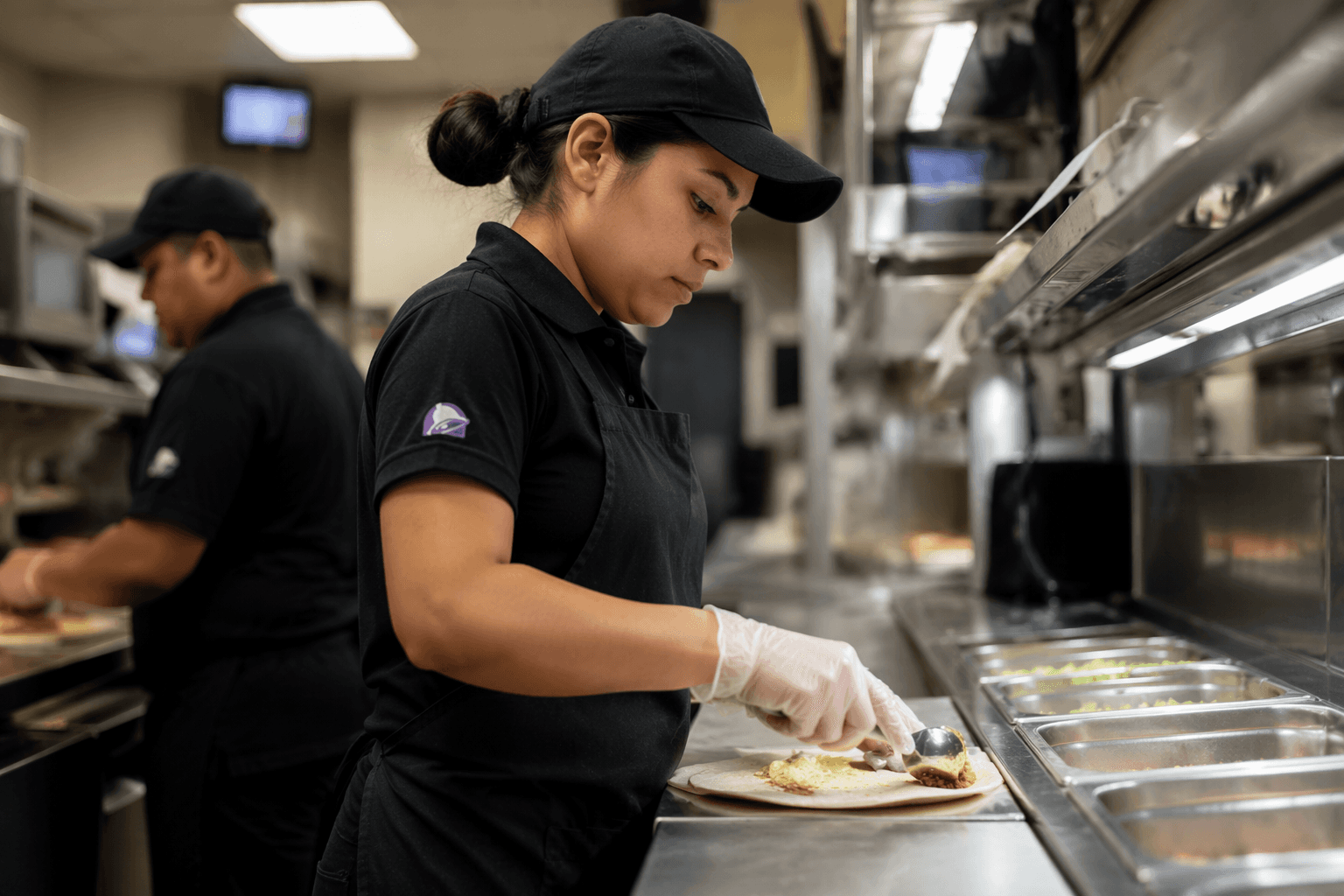
For crew members, that can cut both ways. Higher compensation costs can help support better wage offers and more competitive hiring, especially in a business that has to staff late-night drives, weekend rushes and thin weekday lunch periods. But when labor gets more expensive, Taco Bell franchisees and corporate leaders usually look for savings somewhere else: tighter schedules, more cross-training, more scrutiny on labor targets and more pressure to get each hour of coverage to produce more tickets. That can mean fewer buffer shifts, tougher overtime approvals and a stronger push for managers to keep speed high without adding labor.
The Bureau of Labor Statistics said benefit costs rose 3.6% over the 12 months ending in March 2026, a sign that the cost problem is not just about hourly wages. When benefits rise alongside pay, operators often shift attention from simply raising rates to managing productivity, retention and task planning on the floor. The next Employment Cost Index release is scheduled for July 31, 2026, and Taco Bell workers will be watching it for another read on how much room restaurant employers have left.
Taco Bell has already leaned into that reality by treating staffing as both a pay issue and a pipeline issue. In October 2025, the chain said it had more than 250,000 U.S. team members, that company-owned restaurant team-member retention improved 17% year over year in 2025, and that restaurant general manager vacancy fell 27%. Taco Bell also said nearly 25% of company-owned restaurant general managers had been with the brand for more than 15 years, average GM tenure was about 10 years, and 67% of leadership roles at company-operated restaurants were filled internally. It extended its Tacos & Tuition education benefit to employees at participating franchise locations through a partnership with InStride, a move that shows how much the brand is relying on retention and promotion from within.
The broader restaurant economy explains why. The National Restaurant Association said salaries and wages, including benefits, represented a median 36.5% of sales in 2024 among fullservice respondents, and it projected the industry would reach $1.5 trillion in sales in 2025 while adding more than 200,000 net new jobs. Taco Bell’s scale, with 347 gross new locations across 25 countries and a projected 8% U.S. same-store sales increase in early 2025, makes those pressures especially visible. In a business where Taco Bell averaged 4 minutes, 16 seconds in the 2025 Intouch Insight and QSR drive-thru study, rising labor costs will keep pushing the chain toward faster, leaner and more tightly managed shifts.
This article was produced by Prism’s automated news system from verified source data, official records, and press releases, then run through automated quality and moderation checks before publishing. The system is built and supervised by the people who set the standards it runs under. Read our full AI policy.
Know something we missed? Have a correction or additional information?
Submit a Tip