Taco Bell Foundation drives scholarships, grants, and worker pride
Taco Bell’s biggest education dollars are not just PR, they are a real pipeline for students, some crew members, and local nonprofits. The catch is knowing who qualifies, how much is on the table, and where the money actually lands.
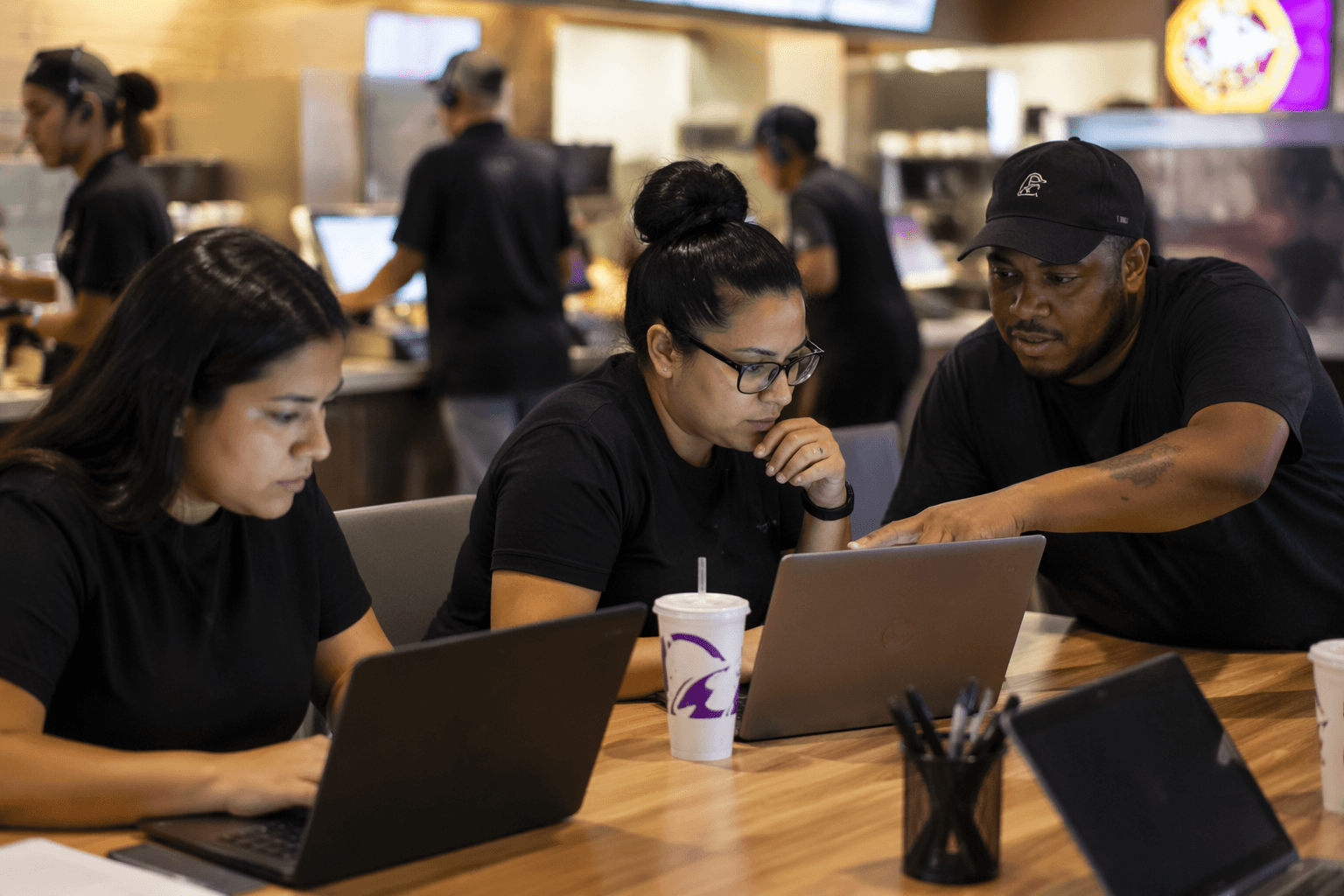
The Taco Bell Foundation is one of the clearest examples of how a fast-food brand turns community spending into workplace messaging. Founded in 1992 as a 501(c)(3), it says it has reached nearly 12 million young people and awarded more than $231 million in grants and scholarships. For crew members and shift leaders, that matters because the program is not just about image on a corporate website. It reaches into recruiting, retention, local pride, and the way stores explain the company to people deciding whether Taco Bell is just a job or a place that can help them move forward.
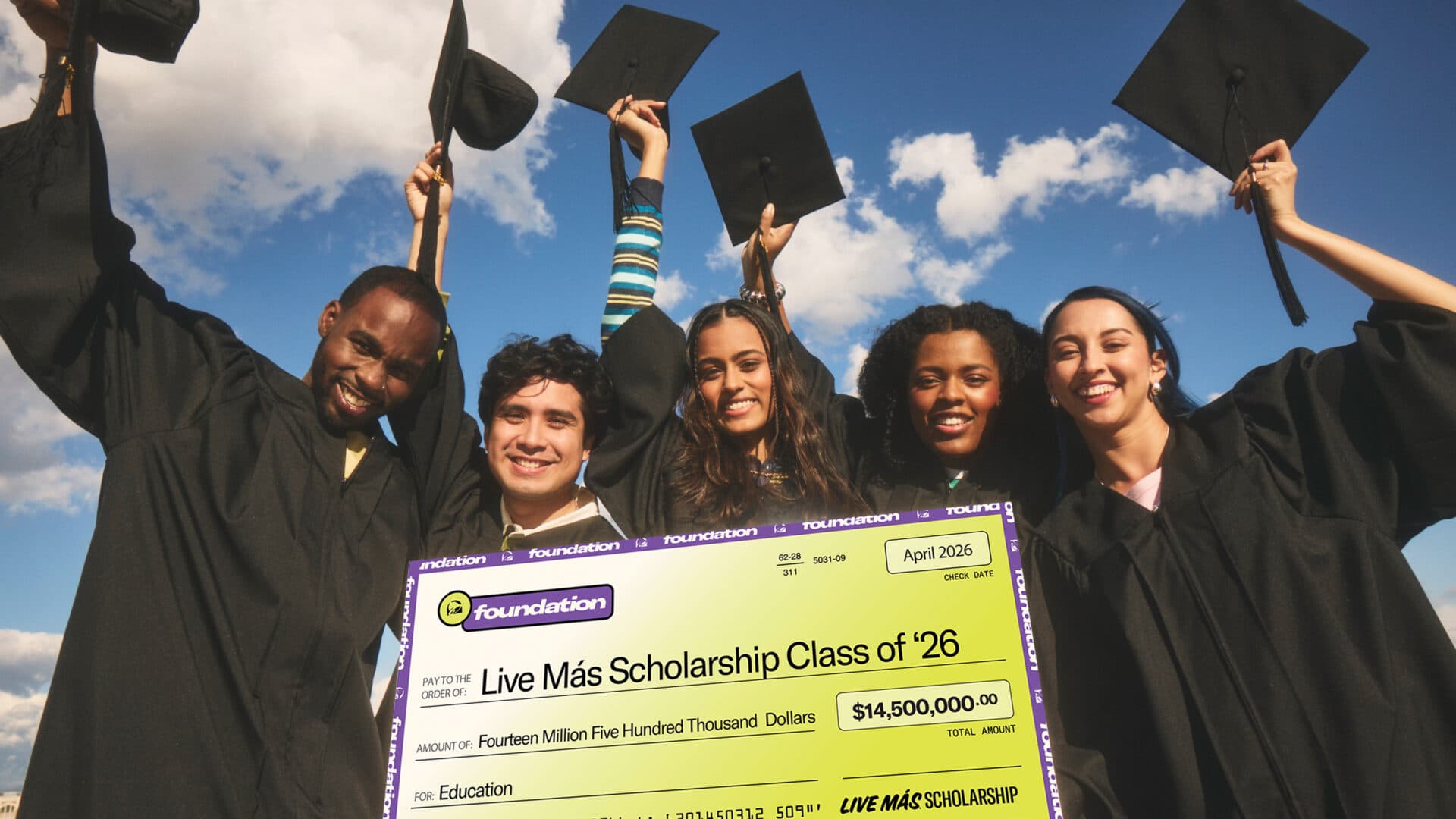
The real test is scale, and Taco Bell has put real numbers behind it. In April 2024, the foundation awarded $10 million in Live Más Scholarships to more than 1,000 students, with $7 million going to Taco Bell fans nationwide and $3 million reserved for restaurant team members. A month later, it said it was handing out nearly $23 million in grants to more than 450 U.S.-based nonprofits, the largest grant round in its history. Those are not small gestures or one-off check-writing exercises. They are the kind of figures that can shape how workers, applicants, and local nonprofit partners judge whether the company is serious about opportunity.
Who actually qualifies is the first thing workers should understand. The Live Más Scholarship is open to students ages 16 to 26, including Taco Bell Team Members and customers, so it is not an employee-only benefit and it is not a blanket tuition program for everyone on payroll. Awards range from $5,000 to $25,000 per recipient, and the foundation says recipients also gain mentorship and career-building resources, not just cash. That distinction matters on a restaurant floor where people often hear broad talk about “opportunity” but need to know whether there is an actual path they can apply for.
A practical way to sort the foundation’s programs is this:
- Live Más Scholarship: for students ages 16 to 26, including team members and customers.
- Community Grants: for nonprofits doing youth-facing work in local communities.
- Round Up: for customer donations at the point of sale, including counter, kiosk, drive-thru, web, and app.
That structure shows why the foundation is more than a feel-good side project. It is a mix of individual aid, nonprofit funding, and store-level fundraising that depends on whether managers and franchise owners actually push it. In other words, the program’s value is uneven from location to location, and workers should expect the local operator to have a big say in how visible it is inside the restaurant.
For restaurant teams, the Community Grants program is where the foundation becomes a local institution instead of a corporate slogan. Taco Bell says the program supports more than 500 nonprofit organizations focused on youth academic success, mentorship, college and career exploration and readiness, financial literacy, entrepreneurship, 21st-century skills, and socio-emotional well-being. It also said its 2024 Community Grants supported more than 380 charitable organizations and about 1.4 million young people through impact reporting. That kind of funding can matter in neighborhoods where the restaurant is one of the most visible employers, because it links the brand to schools, youth groups, and local nonprofits that workers may already know.
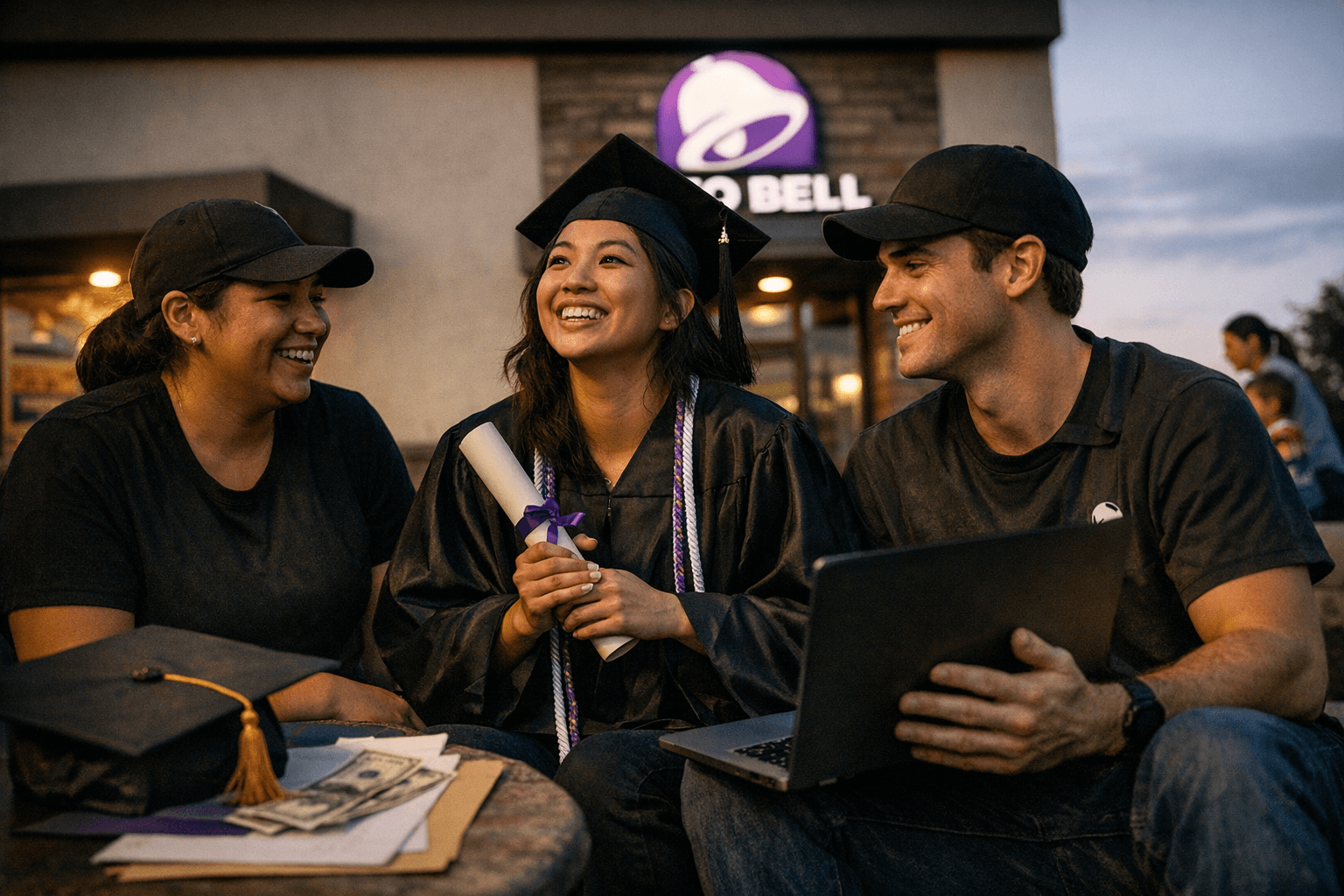
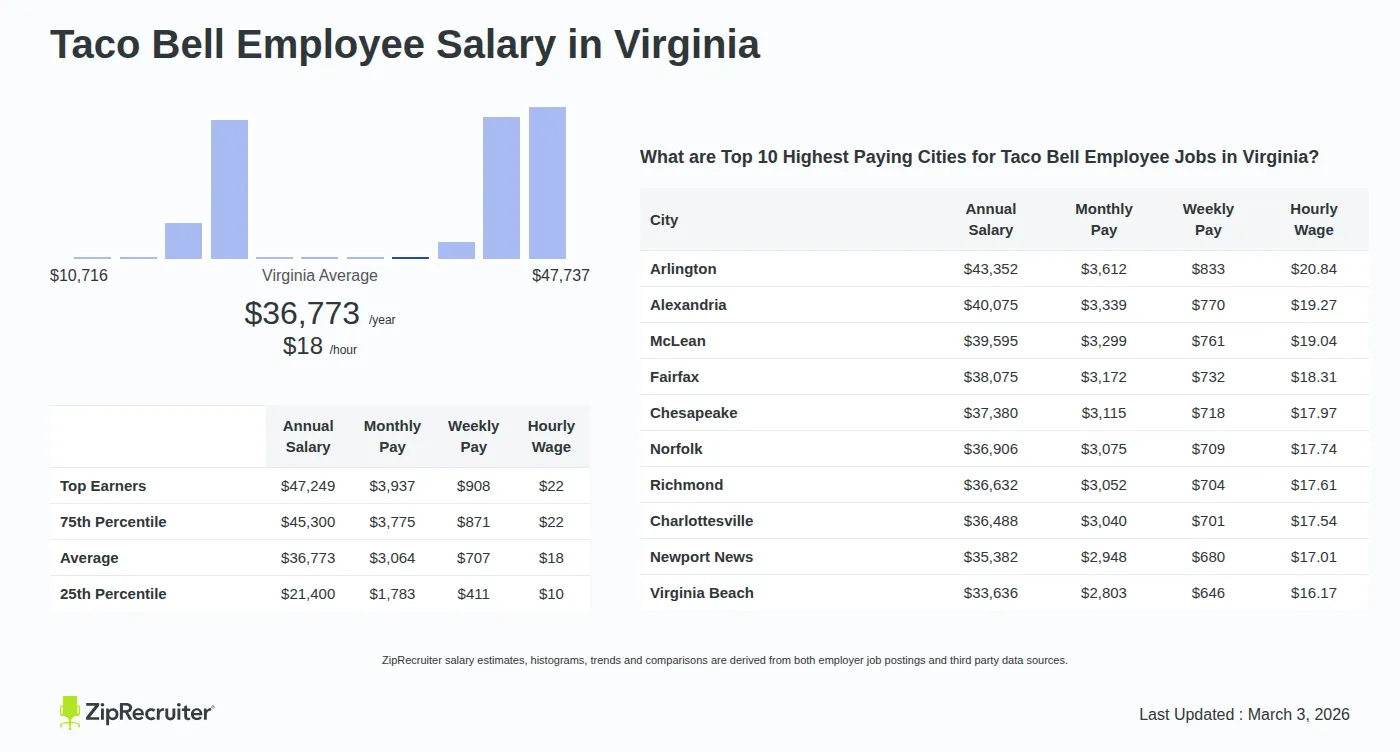
That local connection has a workplace effect. In a fast-food labor market where hourly workers compare brands on pay, scheduling, and how much a company respects the people doing the work, visible community investment can influence who applies and who stays. Managers know that the most reliable retention tool is still pay and scheduling stability, but a brand that shows up for local schools and youth programs gives employees a reason to feel that their store is part of something bigger than a transaction counter. That does not replace wage debates or solve pay equity questions, but it can change the way workers talk about the company to friends, family, and potential hires.
The Round Up program is where the foundation’s scale gets built one small transaction at a time. Taco Bell says customers can donate by rounding up purchases at the counter, kiosk, drive-thru, web, or app, which means the fundraiser is embedded in the daily flow of the restaurant. In 2025, Taco Bell said Round Up raised $52 million and was named the top point-of-sale fundraiser in Engage for Good’s 2025 America’s Charity Checkout Champions report. The average Round Up donation was 44 cents, a small amount that adds up fast when it is repeated across a national restaurant system.
That matters inside the store because fundraising is not an abstract corporate metric. It takes cashier prompts, team buy-in, and manager coaching to keep donations visible without making the interaction feel forced. Taco Bell says some franchise owners’ restaurants averaged $5,000 or more in annual fundraising per location, while others reached $1 million or more overall. That tells you the program works best where franchise operators see it as part of store culture, not just a line on a fundraising dashboard.
The franchise angle is important because it shows how closely the foundation sits between corporate leadership and the people running restaurants. The board includes Taco Bell executives and major franchise operators, including Sean Tresvant and Neil Borkan, which ties the program directly to both management strategy and day-to-day restaurant operations. For workers, that usually means the foundation is strongest where local leadership treats it as part of the store’s identity. For managers, it is a reminder that community messaging is not just external marketing, it is also an internal tool for building morale and keeping a team together.
The larger takeaway is that Taco Bell Foundation’s value is not in slogans about giving back. It is in the mechanics: scholarship eligibility that includes team members, grant money that flows to local youth nonprofits, and a Round Up engine that can turn spare change into serious money. In a company where workers are always comparing pay, stability, and respect, that kind of program can become part of the retention story, but only if the store-level version is real enough for employees to see.
This article was produced by Prism’s automated news system from verified source data, official records, and press releases, then run through automated quality and moderation checks before publishing. The system is built and supervised by the people who set the standards it runs under. Read our full AI policy.
Did this article answer your question?