Taco Bell franchisee to pay $1.5 million over fair scheduling violations
More than 760 Taco Bell and Dunkin workers in New York City will get back pay after Salz Management missed fair scheduling rules. The case signals a growing compliance risk for franchise operators.
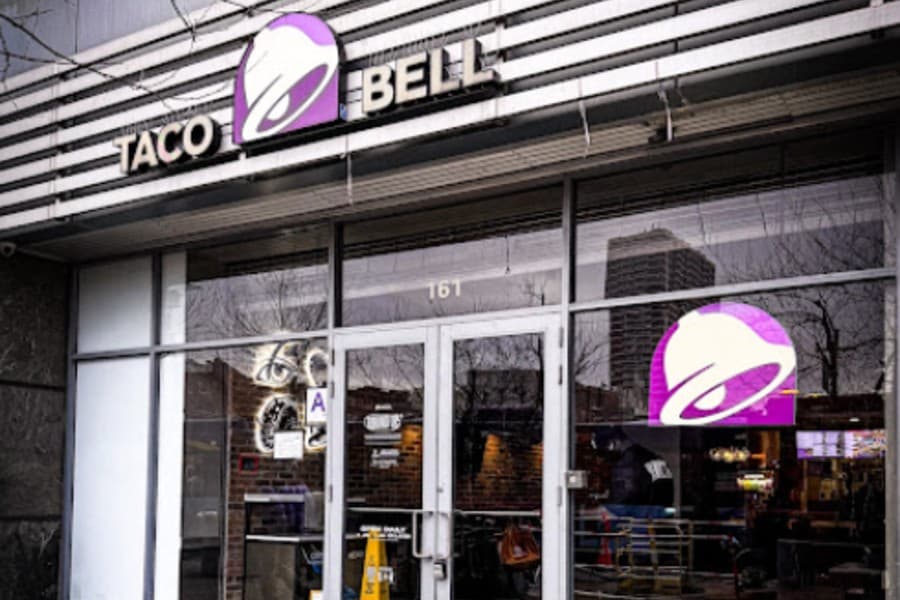
More than 760 workers at 24 Taco Bell and Dunkin locations in Manhattan and Queens are set to receive more than $1.5 million after New York City found Salz Management LLC violated fair scheduling rules by failing to post schedules 14 days in advance and by changing shifts without the required consent.
The restitution is part of a broader March 24 enforcement action that will deliver more than $1.8 million to more than 830 workers, along with more than $176,000 in civil penalties and costs. The city said workers do not need to file a complaint to get paid, a sign that enforcement can move from a legal filing to money in workers’ pockets without each employee having to fight case by case.
For Taco Bell crews, the issue is not abstract. Fair scheduling rules are built around the daily realities that make fast-food jobs hard to hold together: childcare, second jobs, transit, and sleep. In New York City, fast-food employers must provide regular schedules, give 14 days’ notice, pay premiums for schedule changes, and handle clopening shifts carefully. The city says schedule-change premiums can range from $10 to $75 per shift. If a worker agrees in writing to a clopening with less than 11 hours between shifts, that worker is owed a $100 premium.
That makes the Salz case more than a local payroll cleanup. It shows how quickly predictable scheduling problems can turn into a legal and financial liability for franchise operators, especially in a business where labor is thin, turnover is high, and managers lean on last-minute coverage to keep stores open. Salz Management, based in Jericho on Long Island, also operates other restaurant brands, which underscores how a franchise group’s labor practices can ripple across multiple chains, not just one Taco Bell.
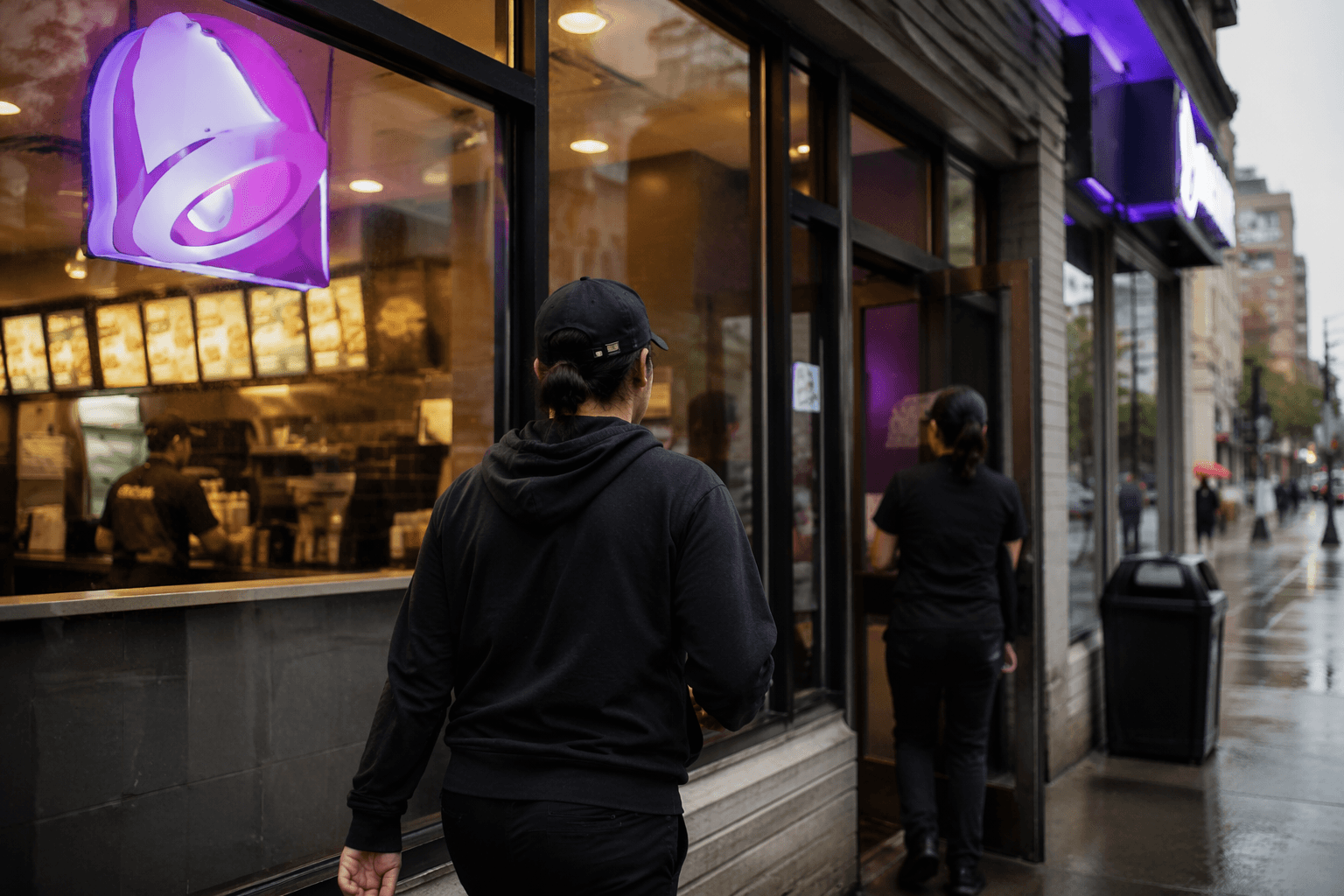
New York City has spent the last year treating fair scheduling as a serious enforcement priority. The city’s Fair Workweek Law took effect on November 26, 2017, and fast-food amendments followed on July 4, 2021. In December 2025, the city announced a $38.9 million Starbucks settlement, calling it the largest worker protection settlement in city history and saying it involved more than 500,000 violations and over 15,000 workers. The Taco Bell and Dunkin case now fits into that larger pattern of citywide pressure on employers that rely on unstable scheduling.
Mayor Zohran Mamdani said, “Every worker deserves a predictable schedule,” while DCWP Commissioner Sam Levine said, “Compliance is not optional.” Deputy Mayor for Economic Justice Julie Su said the goal was protecting workers’ time so they can plan life outside work. For franchise operators, the message is even sharper: in New York, scheduling is no longer just an operations choice. It is a compliance risk with a price tag.
This article was produced by Prism’s automated news system from verified source data, official records, and press releases, then run through automated quality and moderation checks before publishing. The system is built and supervised by the people who set the standards it runs under. Read our full AI policy.
Know something we missed? Have a correction or additional information?
Submit a Tip