Taco Bell HR chief highlights talent strategy built on employee growth
Taco Bell is betting that training, scholarships, and peer recognition can keep workers longer. The hard part is whether the culture pitch reaches the floor in pay, growth, and daily shifts.
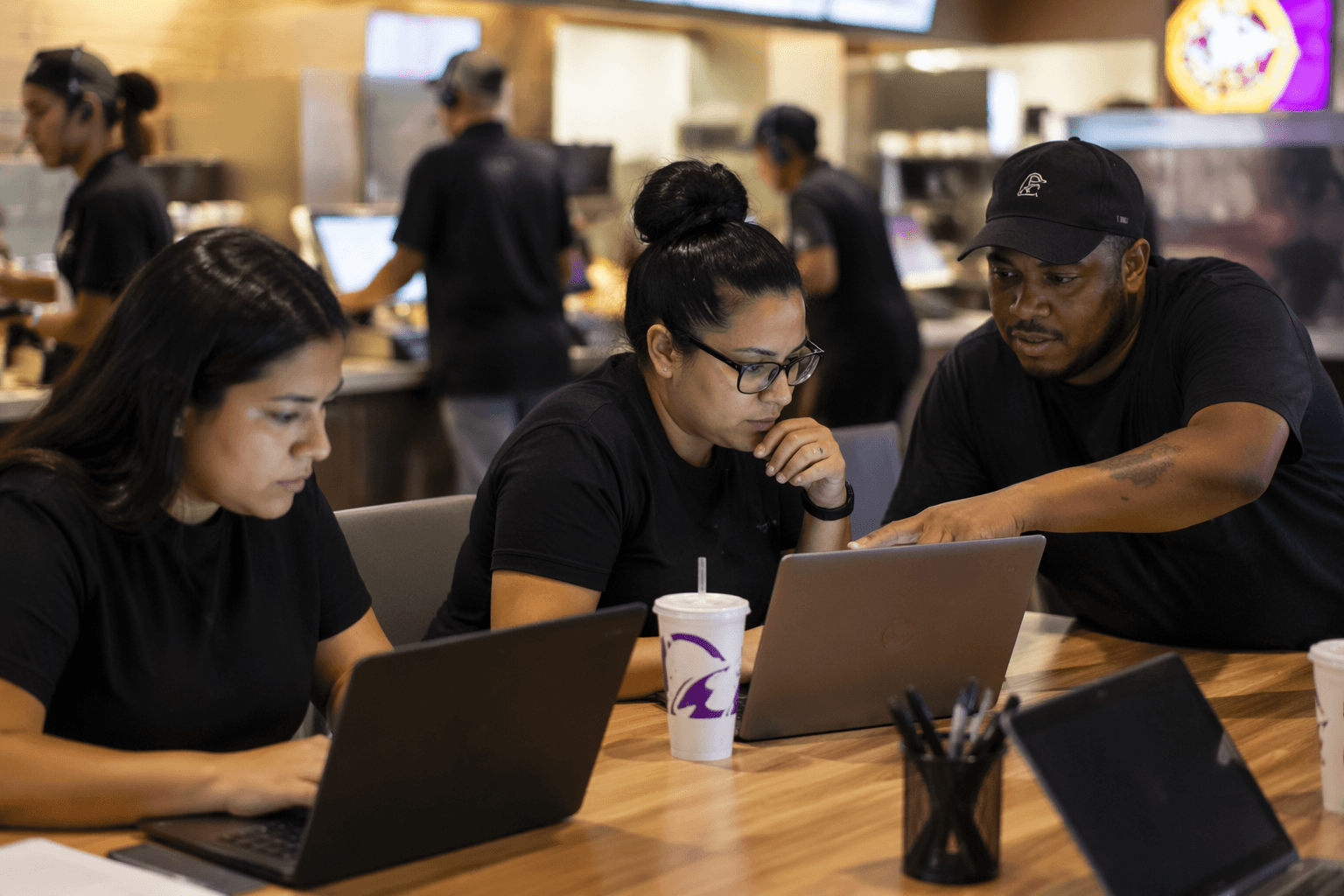
Taco Bell is trying to sell something bigger than a job: a path. In Jamie Harrison, the brand has a human resources chief who knows the floor from the inside, having started as a frontline worker three decades ago before stepping into the VP of human resources role this year. With more than 260,000 team members in the system, the company’s talent strategy is not a side project. It is a core operating question: how do you keep crew members, shift leaders, and restaurant managers moving forward in a business built on constant turnover?
A people strategy built to scale
The center of Taco Bell’s message is Start With Us, Stay With Us, the platform it launched on November 8, 2016. At the time, the company tied the program to a goal of creating 100,000 new U.S. jobs by 2022, said it had 40,000 employees, and laid out plans to reach 8,000 U.S. locations by the end of 2022. Later coverage described the company as aiming to hire 1.5 million young adults over 10 years, a sign that Taco Bell sees itself not just as a restaurant chain but as a large-scale entry point into work.
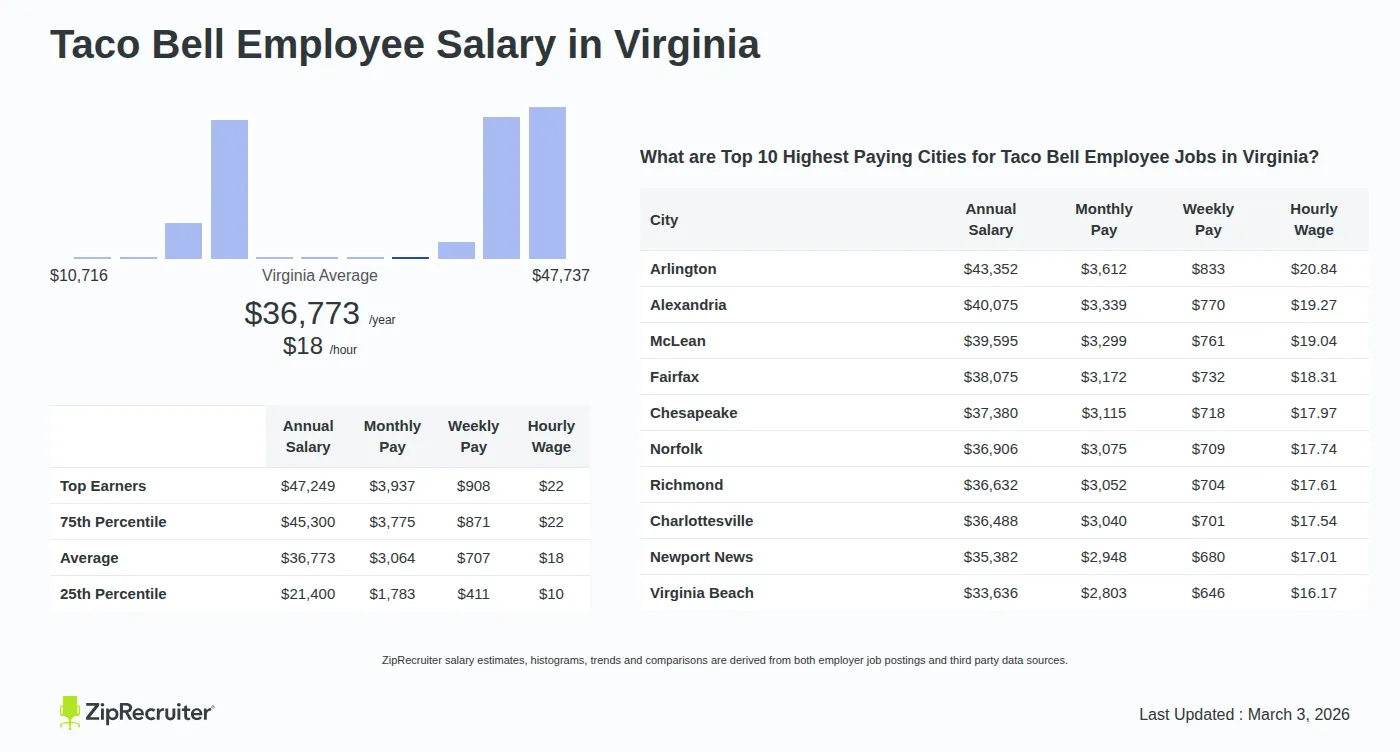
For crew members, that matters because the promise is not only about getting hired, but about what happens after the first few shifts. Taco Bell has repeatedly framed the program as support for people starting careers and for those who want to stay and build one. That is the part workers tend to judge against the realities of hourly pay, scheduling, tip policy debates elsewhere in food service, and the gap between a company slogan and the way a busy line actually feels on a Friday night.
Scholarships as a retention tool, not just a perk
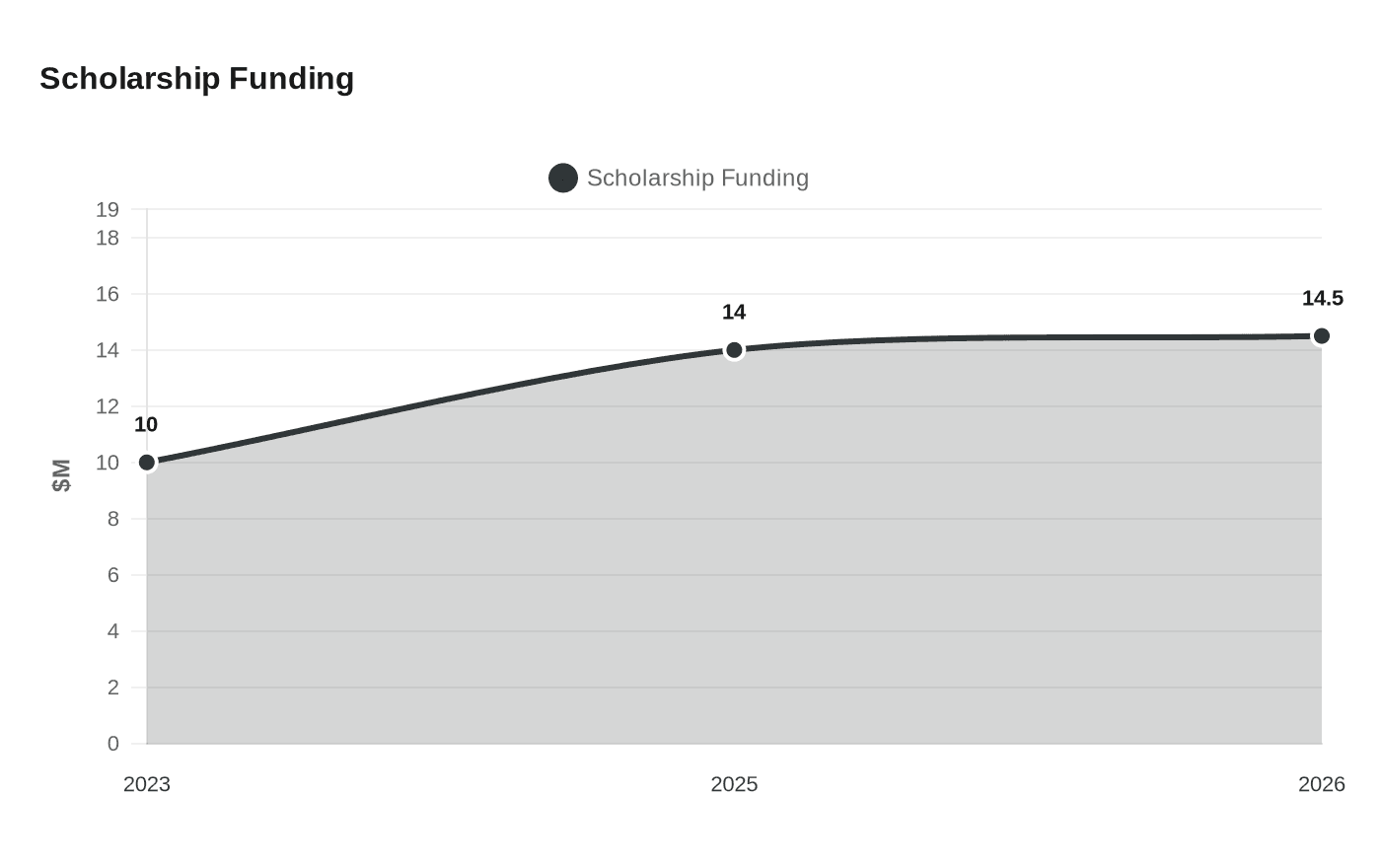
The Live Más Scholarship sits at the center of that longer game. Launched in 2015, it has awarded more than $64 million to over 3,000 Taco Bell fans and team members nationwide. In 2023, the program handed out more than $10 million to 980 students, and in 2025 Taco Bell Foundation said it would distribute up to $14 million. By 2026, that grew again to a record $14.5 million scholarship class, with more than 41,000 applications.
The size of the program matters, but so does the structure. Taco Bell said the 2026 application cycle, in the scholarship’s 11th year, offered video and written-response options for the first time. That kind of change lowers the barrier for workers who may not have the same comfort with formal essays, polished resumes, or college counseling support. For a crew member juggling shifts, classes, and family obligations, a scholarship program can become a real retention lever only if it feels reachable, not ceremonial.
That is also why this story goes beyond education philanthropy. In a labor market where workers compare offers on pay, tuition support, advancement, and schedule flexibility, Taco Bell is trying to make its scholarship money part of the total value of staying with the brand. The company is not promising that a scholarship fixes low wages or the strain of short-staffed shifts, but it is making a clear bet that education support helps workers imagine a longer future there.
Ideas from the floor can shape the brand
Harrison’s profile is not just about development benefits. It is also about who gets to shape the business. Taco Bell’s internal incubator is designed to invite employees at all levels to help solve real business problems, and QSR reported that the incubator helped create Bell Bravo, a peer-to-peer recognition program. That is a significant detail for anyone working the line or managing a store, because it suggests ideas do not have to stop at the shift supervisor if they are framed as useful to the business.
In practice, this kind of program can change the tone inside a restaurant. If recognition is peer to peer instead of top down only, a crew member who keeps the line moving, catches a mistake before it becomes a customer complaint, or helps a new hire learn a register routine can be noticed in the day-to-day rhythm of work. That may sound small, but in quick service, small signals are often what determine whether people feel invisible or invested.
Taco Bell’s own logic is that employee input should improve the customer experience. Harrison argues that when people feel connected and valued, they perform better and the guest notices. For managers, that means culture is not a wall poster. It becomes an operational tool tied to cleanliness, execution, and how smoothly new menu items roll out when the kitchen is under pressure.
Retention is the proof point
The strongest evidence that Taco Bell wants to connect people strategy to business results is its retention story. In 2025, QSR reported that the company improved retention by 17% in company-run stores. Taco Bell also said average general managers spend 10 years with the brand, a statistic that stands out in a sector where many operators lose managers as quickly as they train them.
The company has also tried to celebrate its strongest performers publicly. Its 2024-2025 people strategy included the annual Golden Bell celebration in Hawaii for top performers, a signal that recognition is not limited to raises or promotions. For restaurant managers, that kind of recognition can reinforce a path inside the brand. For crew members, it raises a harder question: are the people getting celebrated the ones who also had access to training, support, and upward mobility, or just the ones already closest to corporate attention?
That question matters even more when you separate corporate-run restaurants from franchise stores. The retention gain cited by QSR applies to company-run locations, where Taco Bell has more direct control over staffing, training, and promotion. Franchise operators may adapt the same culture language, but the day-to-day reality of wages, scheduling, and advancement can look different once ownership is one step removed. Workers know that gap well, because a strong corporate message does not automatically translate into a better shift if local labor conditions stay tight.
What the strategy means on the floor
For workers inside Taco Bell, Harrison’s approach says the company wants to be seen as a place where the first job can become a longer path. That includes scholarships for young employees, recognition systems like Bell Bravo, and an internal incubator that gives frontline people a way to shape how the brand works. It also includes a leadership narrative built around someone who started in the same kind of job many crew members hold now.
The real test is whether that philosophy keeps showing up in the parts of the job that matter most: fair pay, realistic schedules, usable training, and actual chances to move from crew to shift lead to management. Taco Bell has put real numbers behind its pitch, from 100,000 new U.S. jobs to a $14.5 million scholarship class and a 17% retention improvement in company-run stores. That makes the company’s talent strategy more than branding. It is a claim about how a fast-food chain can keep people long enough for growth to feel real.
This article was produced by Prism’s automated news system from verified source data, official records, and press releases, then run through automated quality and moderation checks before publishing. The system is built and supervised by the people who set the standards it runs under. Read our full AI policy.
Did this article answer your question?