Taco Bell leans into value and novelty as consumers cut spending
Consumers are pulling back, but Taco Bell is countering with cheap thrills and a deeper innovation pipeline. That mix is already showing up in sales.
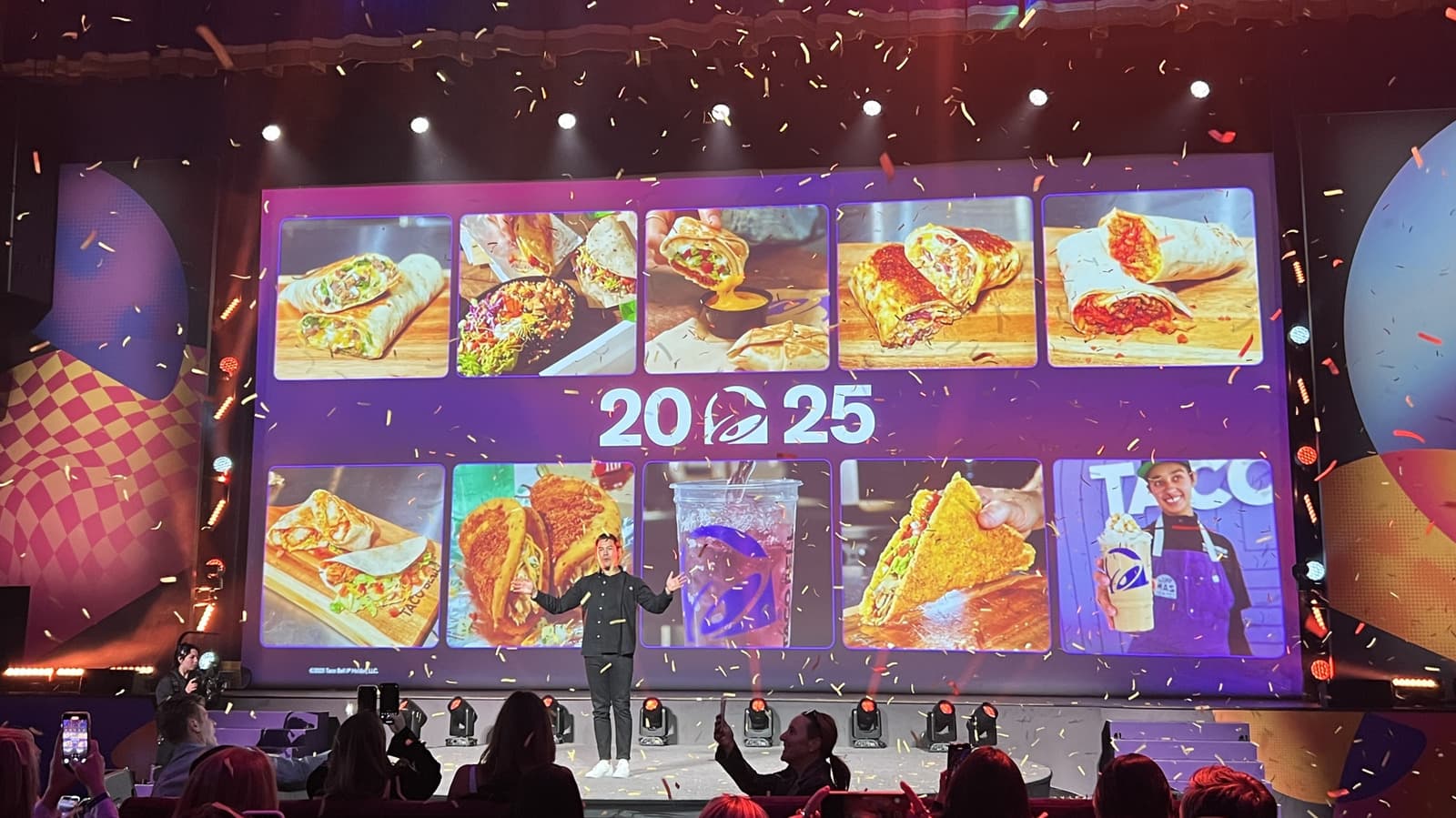
Taco Bell is meeting a more anxious, more price-sensitive customer with two tools at once: value messaging and menu novelty. That matters because consumer sentiment is at an all-time low, higher gas prices are not offering much relief, and Nation’s Restaurant News said 35% of consumers now report spending more than they take in each month, two-thirds say they are struggling to make ends meet, and four in 10 reduced restaurant frequency in 2025.
That pressure helps explain why Taco Bell has leaned so hard into affordable experimentation. On March 4, 2025, the chain said it was launching R.I.N.G. The Bell, its business growth plan, with a goal of doubling innovation in 2025. The playbook has continued into 2026 with Live Más Live menu reveals that included the Crème Brulee Crunchwrap Slider, Mountain Dew Baja Midnight Pie and Diablo Dusted Crispy Chicken Nuggets. The message to customers is simple: even if they are cutting back, they can still get something new without paying full premium prices.
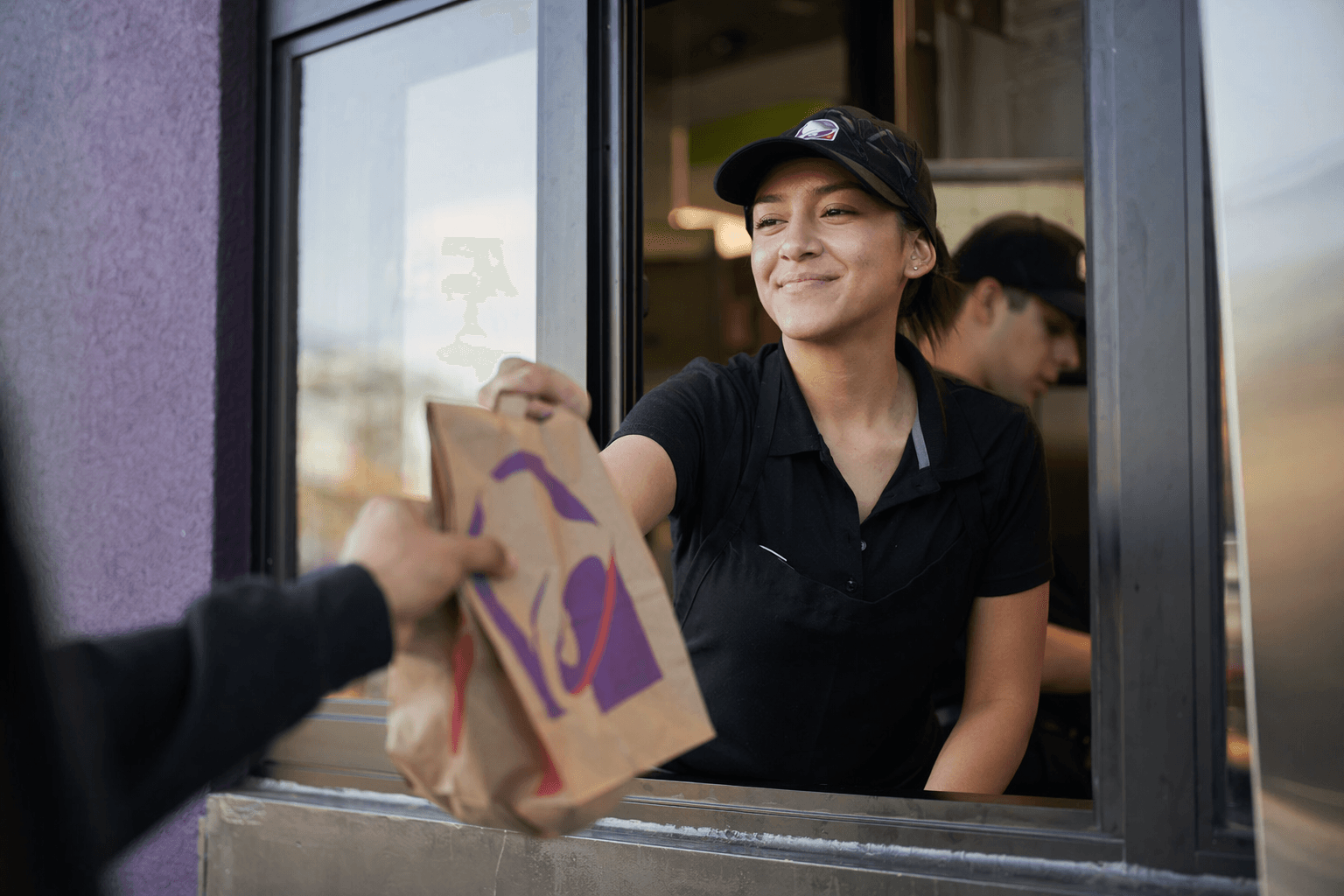
The strategy is showing up in the numbers. In Yum! Brands’ first-quarter results on April 29, 2026, Taco Bell posted 8% same-store sales growth, far ahead of much of the quick-service market. Yum! said first-quarter system sales grew 11% and digital system sales mix reached a record 63%, a sign that Taco Bell is not just pulling in traffic but also moving more orders through its app and other digital channels. For store managers, that combination usually means more attention on speed, order accuracy and upselling, especially when guests are looking for deals, bundles and low-cost add-ons rather than larger-ticket meals.
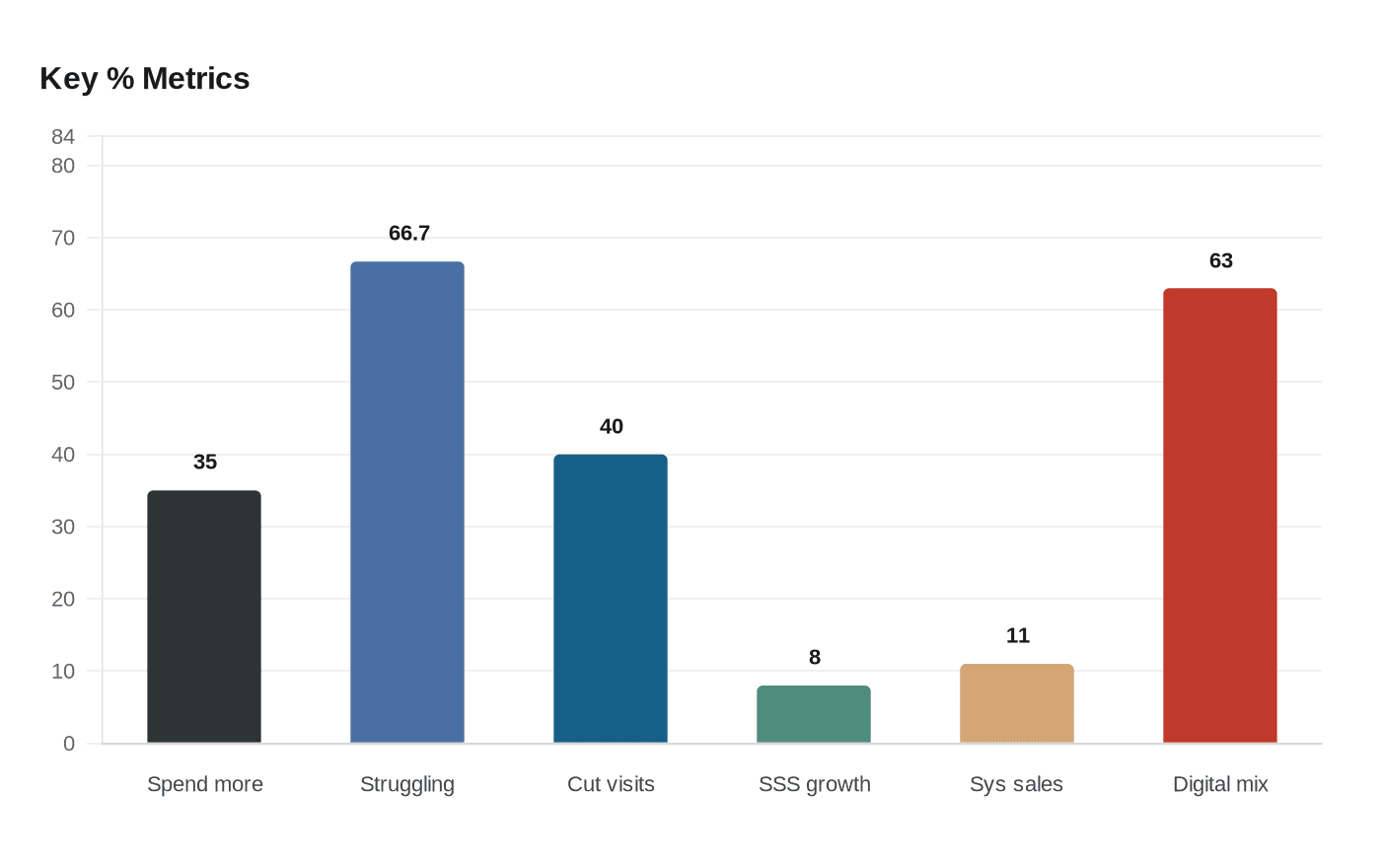
For crews, the operational question is not simply whether traffic is up or down. It is what kind of traffic is coming through the door, and when. Value-driven guests can be more promotion-sensitive and more willing to trade up only if the pitch is clear, which puts pressure on cashiers and drive-thru teams to communicate offers cleanly and keep service tight during bursts tied to new items. That also affects labor planning, because a launch can create short spikes in demand even when the broader customer mood is cautious.
The larger restaurant backdrop still argues against catastrophe. The National Restaurant Association’s 2026 outlook projects $1.55 trillion in restaurant and foodservice sales and says 61% of adults consider dining out essential to their lifestyles. The demand is there, but it is selective. For Taco Bell, that means the winning formula is likely to stay the same: give customers a reason to spend a little, then give crews the systems to turn that small spend into repeat visits.
Know something we missed? Have a correction or additional information?
Submit a Tip
%3Amax_bytes(150000)%3Astrip_icc()%2Far-TacoBell_ShreddedBeefNachoFries_800x469-42744d1b0b0945d48fa6b976df848651.jpg&w=1920&q=75)